
Warkworth's Old Cement Works: a Case Study of Environmental Vandalism & Negligence in NZ
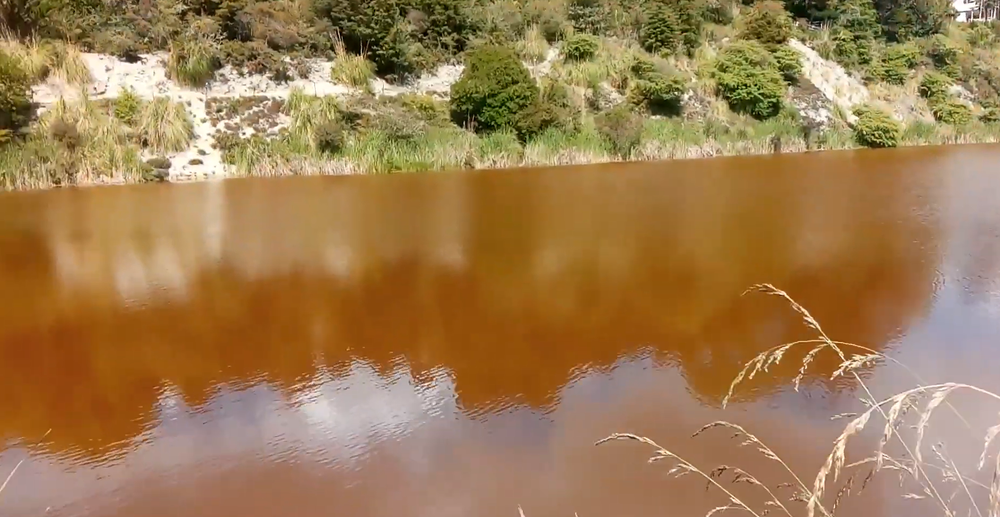
The ruins of Warkworth's Old Cement Works, also known as 'Wilsons', stands on the banks of the Mahurangi River, North of Auckland. Production from the limestone was highly successful during the 1800s. But modernisation forced its closure in 1929 and its toxic, Victorian-era quarry (probably already cluttered with rusty, unwanted machinery and chemicals) was flooded. Almost a century later, attempts to memory-hole the site have failed. Still believe in Clean, Green 100% Pure New Zealand? Think again. It shouldn't be any surprise that this picnic area and ‘swimming’ water is contaminated. Curiosity drove me to investigate the real story beneath those murky, brown waters...
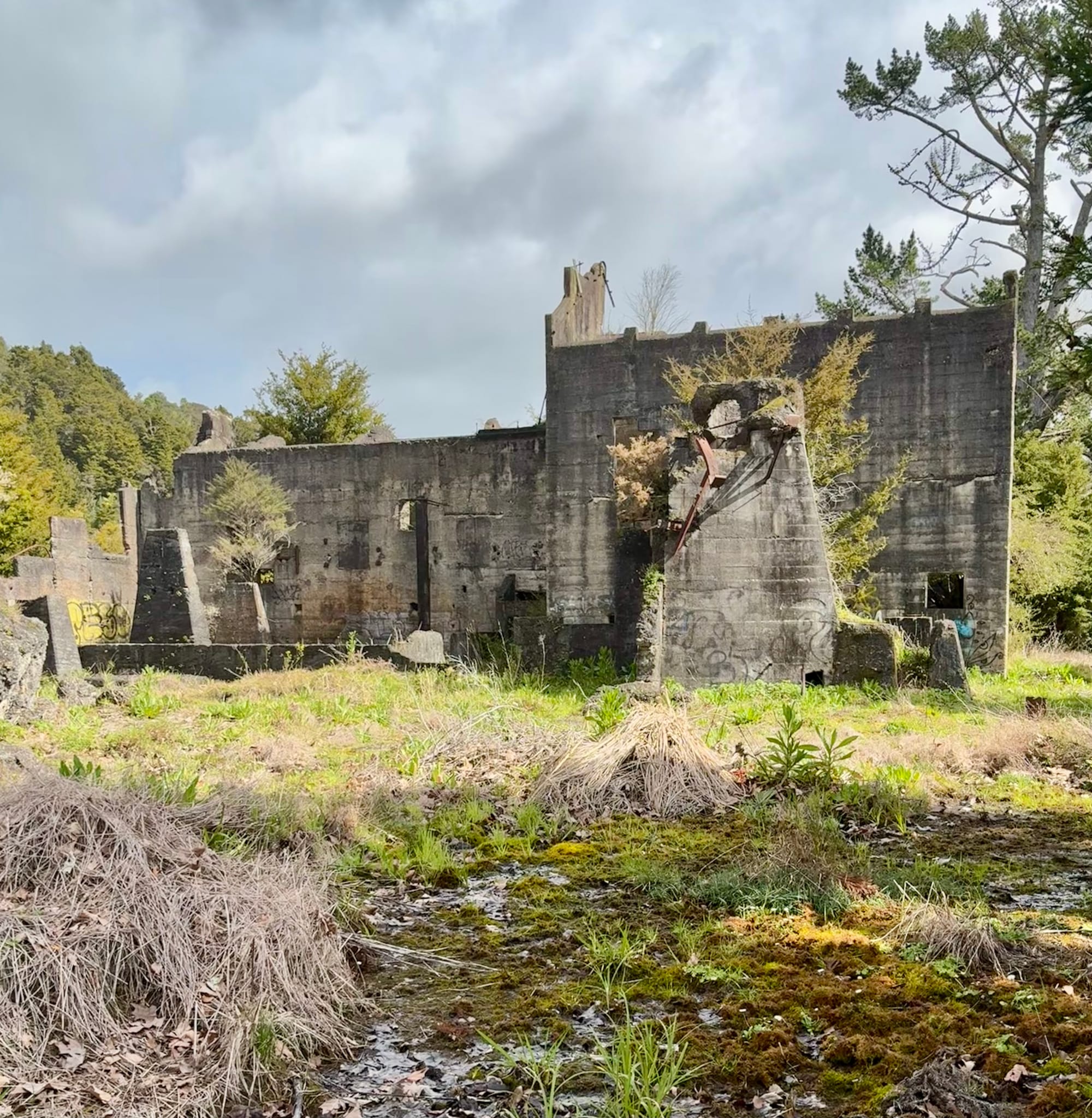
In 2021, supporters of the Cement Works, Warkworth, created a registered charity. That's a positive step. Over the years many stories have been collected about experiences of those involved with the cement works. Heritage New Zealand have documented details of the history of the site - which I don't need to repeat here. The trustees obviously recognised what many people had voiced for decades: there aren't many historic sites left in New Zealand, this is one that deserves to be preserved. The charity states on its website that the ruins have educational value as:
...a picturesque location that serves as a reminder of New Zealand's industrial history and the social fabric of early Warkworth. The remaining ruins are a valuable source of information on the early production of Portland cement, and provide a physical indication of the scale of this ambitious enterprise.
For those readers unfamiliar with this unique area, here's a one minute summary in a drone footage:
The charity's website continues with two other reasons why this site should be preserved:
Historical value: The Cement Works at Warkworth is a [...] significant industrial site and an important part of our local history. It is recognised by Heritage New Zealand as a Category 1 historic place, and is also a New Zealand Archaeological Association recorded archaeological site. It was recognised in the IPENZ “Engineering to 1990” project, when a plaque was unveiled to mark its significance as part of the development of the nation.
Tourism: Warkworth is a unique, riverside township, founded in 1856. A local heritage trail is already available for visitors to view the many historic buildings and sites that lend the town its charming ambience. The Cement Works is currently a popular picnic and swimming spot in Warkworth, during the summer season. It has the potential to become a major tourist attraction that could bring economic benefits to the local community.
And it's that mention of this old cement works being a 'popular picnic and swimming spot' that I want to focus on today. It's repeated in blogs and NZ media also emphasise the recreation value. Let me explain why I'm concerned.
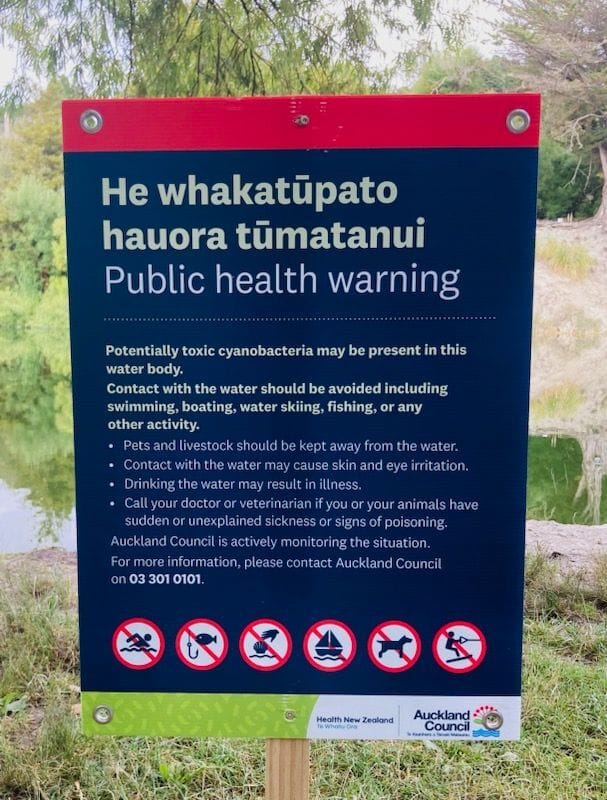
The public have short memories. Propagandists can count on people forgetting about events that happened even a few weeks ago, let alone a few years or decades. So when Auckland Council regularly place these signs (above) on the banks of the old quarry-turned-lake, many people choose to ignore them, or heed the warning and are unaware of the significance. Lots of blogs I've found written by locals and visitors appear oblivious to the ominous atmosphere I sensed when I was there. Here is a quote from a recent talented photographer's Substack:
Nature, however, has reclaimed the place gently. The quarry that once supplied lime has filled with fresh water and now serves as a swimming spot. Families arrive with picnic blankets. Locals walk their dogs. The site feels calm and repurposed rather than forgotten.
But that 'calm' is not what it seems. But for many years now, some obvious signs have appeared that should raise concerns about what lurks beneath the surface of that deep, dark water. For instance, Auckland Council often receive notice that dogs that are allowed to swim in the water fall ill from poisoning, or die. An Official Information Act (OIA) request to the Council reveals some disturbing evidence of neglect of duty, which I'll explain later. But first, some context:
Toxic dumps
In 2022, the Global Investigative Journalism Network did some excellent research about old military bases in the USA. The aptly titled 'What Lies Beneath' project published by Associated Press (AP) discovered how military...
“...Recruits tossed live grenades into the canyons of ‘Mortar Alley,’ sprayed soapy chemicals on burn pits of scrap metal and solvents, poured toxic substances… into leaky tanks they buried underground. When it rained, poisons percolated into aquifers from which they drew drinking water. Through the years, soldiers and civilians… didn’t question whether their tap water was safe.” [Source]
The project drew on social media posts to help identify groups/people who suffered rare cancers and other diseases, arguably connected with long-term exposure to their contaminated ex-military environment. As stated in the AP article, this is not only a national problem, but a global one - the Military Industrial Complex maintains its control and harms the environment significantly.
Hazardous substances often found at old military sites include perchoroethylene, trichloroethylene, lead, mercury, petrol, Diesel, Agent Orange, DDT, chlordane, phosphorus...the list is endless. But what has this got to do with Warkworth's Old Cement Works? Obviously there could be toxins there related to the old limestone processes and equipment, but old weapons and ammunition...?
Warkworth's Military History
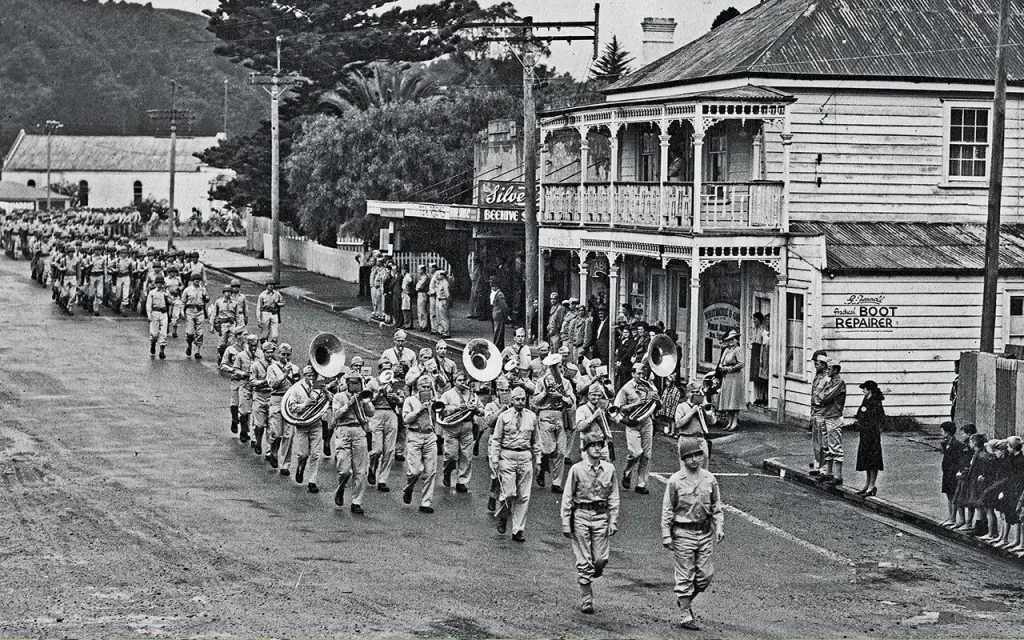
Perhaps surprisingly, thousands of WW2 American servicemen were based in Warkworth between 1942-45. Warkworth was one of the biggest NZ military camps outside the cities of Auckland and Wellington. Significantly outnumbering locals, the army and marine personnel were based in >20 camps in and around Warkworth and inevitably impacted the local community and culture in all kinds of ways. But what happened at that nearby quarry that was flooded only ten years before the start of WW2? Well, there are some clues about that. Here is one - a local resident's observation of the water from 2017, that often reoccurs (5 mins):
Anecdotally, there are multiple reports of old machinery at the bottom of the 'lake'. Diving is obviously highly risky, and not recommended, but those who have investigated, say that old factory and military equipment, vehicles and other scrap are rusting and rotting away in those depths. Fishermen too, reflect on conversations they've had, and the old landowners have family knowledge about the history of the toxic dump. The dump of military equipment is hardly surprising. Historians document the celebrations at the end of WW2, which must have been quite a sight in small communities such as NZs Warkworth. The American troops - many of whom were sent to NZ to recover from injuries, shock, bereavement and disease - were understandably jubilant about peace and anxious to return home.
The long-abandoned, vandalised Wilsons cement works was conveniently out-of-sight from the residents of Warkworth. Apparently, the site had become an unofficial target-practice venue for the bored marines. There was limited funding, provision (or much interest) in returning US military equipment back home. After all, the War was finally over (or so they thought)! So in 1945 the local NZ Home Guard carried out a demolition exercise at the old cement works (an unofficial firework show?) - assisted (of course) by those American forces.
My guess is, this was seen as an opportunity to 'dispose safely' of all their unwanted ammunition, weapons and equipment. Maybe I'm wrong, but I imagine those young men, traumatised by their experiences in the Pacific, cheering loudly as they watched the explosions and fires; the already neglected factory buildings collapsing into the quarry's deep waters. "Hey, push that Jeep in too!" It must have seemed strangely logical - genuinely cathartic - to throw in, along with those bricks and mortar, what remained of their now meaningless weaponry. Quite a symbolic act. Tragically, many of those men would never talk of their wartime experiences again.
Auckland Council's Role
Nearly a year ago, I asked Auckland Council via an OIA for copies of any correspondence and laboratory testing regarding the Warkworth Old Cement Works. Naively, I expected there to be records of ongoing on ALL environmental monitoring at what is well-known to be an old industrial factory. My first attempt 'went missing'. My subsequent attempts failed. Finally, I received what I suspect was half an answer - the results of the SwimSafe samples for the past five years. These were laboratory tests for E.Coli and cyanobacteria levels - nothing to do with the potential cause(s) of that bacteria. The Works site isn't even listed on the Swimsafe website, so people cannot check the (EColi) water quality independently (they have to contact Council - and if my personal experience is anything to go by, that's quite a feat in itself). Here is an extract from the spreadsheet I was sent showing dates and levels from samples tested:
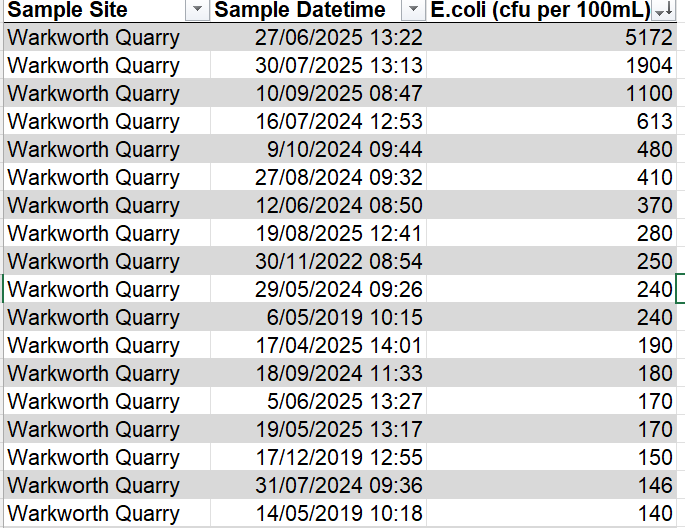
Yes, that is 5,172 at the top of the list. The 'safe' level for E.Coli in swimming water is approx 235 cfu per mL. So we can see that there are many occasions when the threshold is breached. In that worst sample (Winter, 2025) there was >2,000% MORE than the safe level of E.Coli. But E.Coli testing doesn't tell us what the cause of the contamination may be. In fact, results can be misleading because E.Coli testing could be negative, when other toxins are present. Auckland Council do not carry out any other types of environmental testing. They told me:
"...our Healthy Waters, Environmental Health and Environmental Evaluation and Monitoring Unit teams have not conducted any other testing or monitoring at the quarry lake at Old Cement Works at Warkworth."
Swimsafe are Council's sole source of info when their rate-payers complain about the smell, colour or health consequences of the quarry-water. Auckland Council's internal correspondence shows inevitable circles of emails: who's job is it to undertake the testing? how much will it cost? whose budget it will be deducted from? and who will put up/take down signage (again)? No-one takes ownership of the problem. Not one mention of concern, or testing of the nearby estuary and beach, shellfish collected or fishing catches - never any Root Cause Analysis. And as a dog-lover, reading these comments breaks my heart:
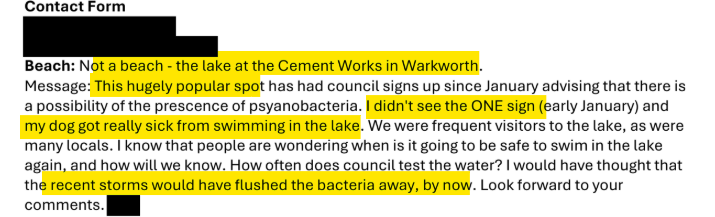
Reading through the comms, there was also an offer from a commercial company to Council of a 'free sample' of a 'magic solution' to the E.Coli/bacteria problem - a silica (sand)-based product called Diatomix, a product used to treat raw sewage plants. Maybe Council staff hope pouring tonnes of sand into the quarry will make the result of decades of vandalism and neglect disappear and suddenly the water will become safe for residents, tourists, pets, birds, fish and insects... Yeah, Nah.
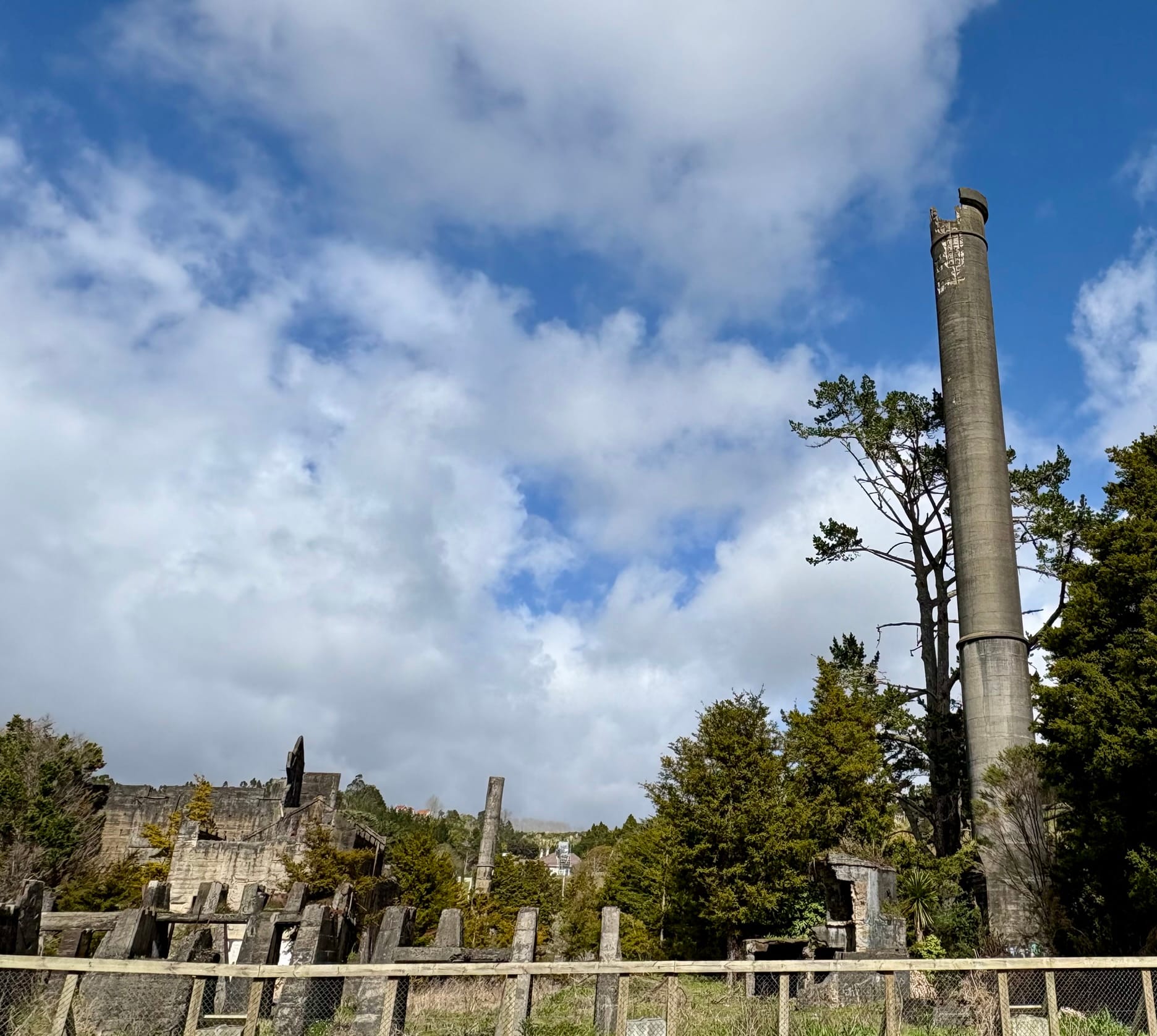
In the end, it's up to us to take our own initiative and listen to our 'sixth sense' when it comes to visiting these kinds of 'recreation' sites. For over 100 years, NZ Governments and Councils have been complicit in covering-up all kinds of toxic neglect and deliberate pollution with chemicals and waste in our environment, inevitably seeping into our food chain. You can read below about the People's Inquiry 2020 that I'm involved with, a project run by volunteers who collated public submissions about horrific and tragic poisoning incidents:
 Ursula Edgington
Will the charity tasked with preserving Warkworth's Old Cement Works, at some point in the future, oversee the proactive management of this water and soil? Will the site be independently tested for all potential contaminants, at various places and depths, the quarry completely drained, the scrap at the bottom of the quarry craned out, sludge dredged, hazardous substances safely disposed of and genuine remedial action taken to de-contaminate the area? I think we can all guess the answer to those questions. And meanwhile, Auckland Council (like many NZ Councils) are facing economic challenges ahead, with $15 billion net debt reported this year. Increased inflation was reported today as fuel prices continue to escalate.
Sadly, safe swimming holes won't be a priority anytime soon. Take care out there!