
How prepared are you? My Top Ten Tips when 'off-grid'.
A short but (I think) important article!
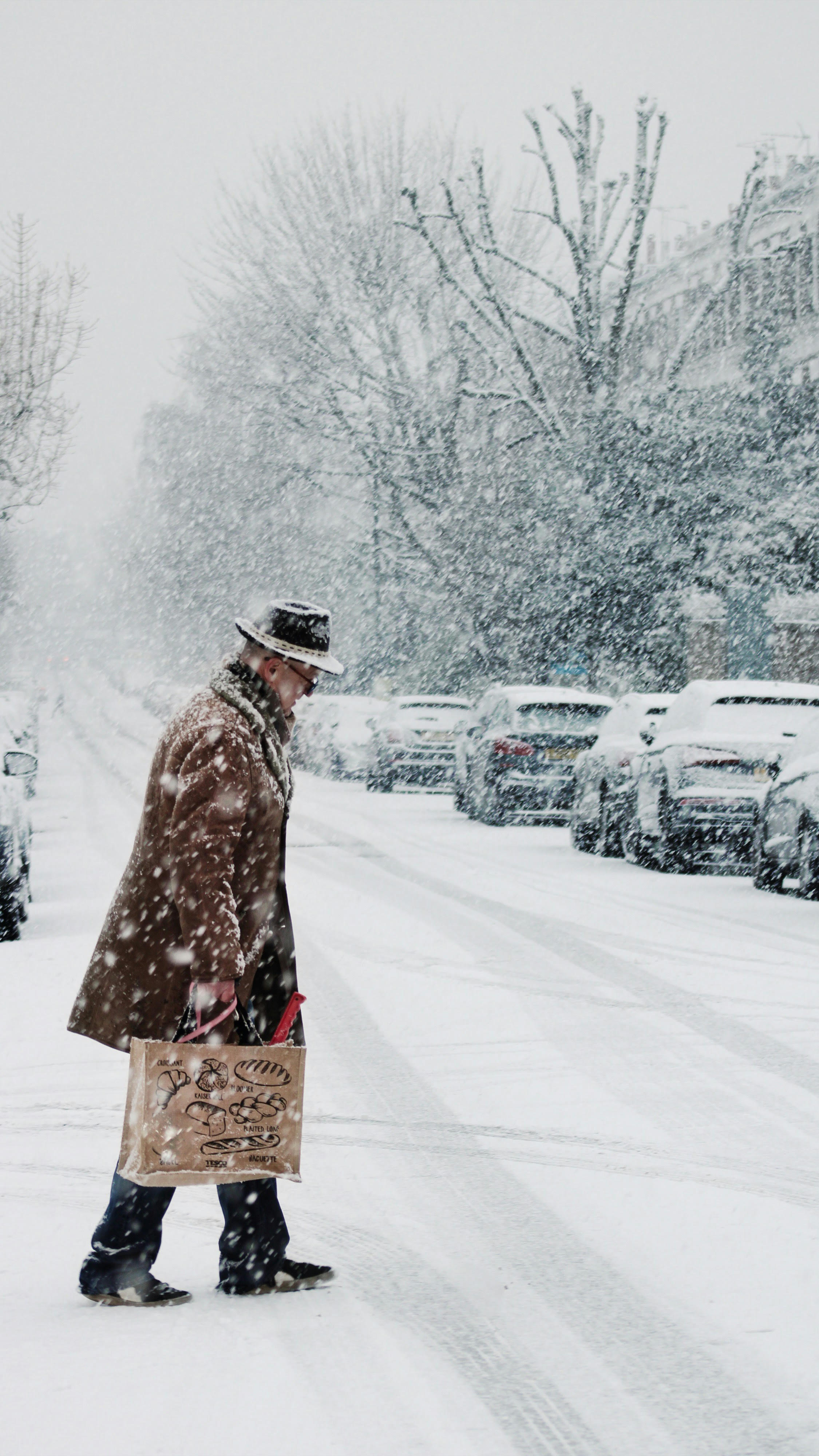
Last week we experienced an unplanned power outage of about twelve hours. No big deal, I hear you say. But half an hour before the electricity cut, one of the main mobile providers' signals went down for the day, too. It's midwinter here in NZ, and so this short, cold midweek reality-check proved to be an excellent rehearsal for what is undoubtedly to come. No wifi. No access to my cloud-based writings. No unsaved playlists or podcasts. Although we don't have snow here in sub-tropical North Island, the experience of being without electricity, internet and cellphone provided a disconcerting, but strangely calming experience. It reminded me of that softened, still and tranquil atmosphere of snowfall. All that unnecessary 'busy-ness' halted - and that peaceful, mindfulness begins...
On that note, friends have recommended I share my 'top ten tips', about items to personally research, obtain and/or collect (if you haven't already) in the coming weeks/months. As I write this, fuel prices continue to increase, and so I'll start with transport:
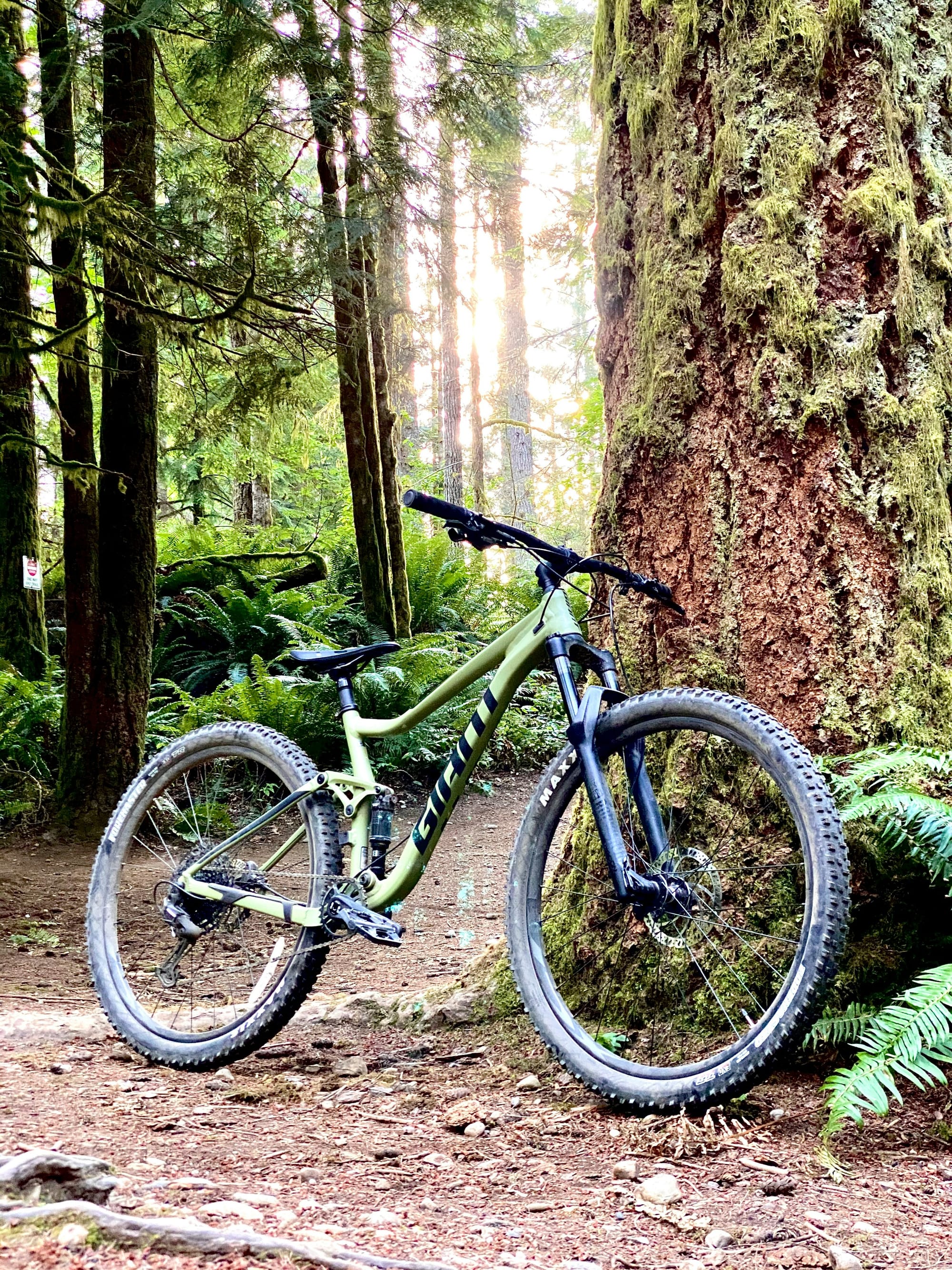
- Bicycle
Even if you're living in an isolated place, getting to your nearest neighbour's place to help them, or share some communication is essential. We simply cannot rely forever on having a vehicle, ready with fuel to go. At the very least, a bike is great exercise and wellbeing/social opportunity and a good safety net. And don't forget an essential tyre pump, oil and other basic maintenance items.
- Cash !
(goes without saying, right?) You'd be surprised how many people we meet who don't even have $20 on them.
- Comms:
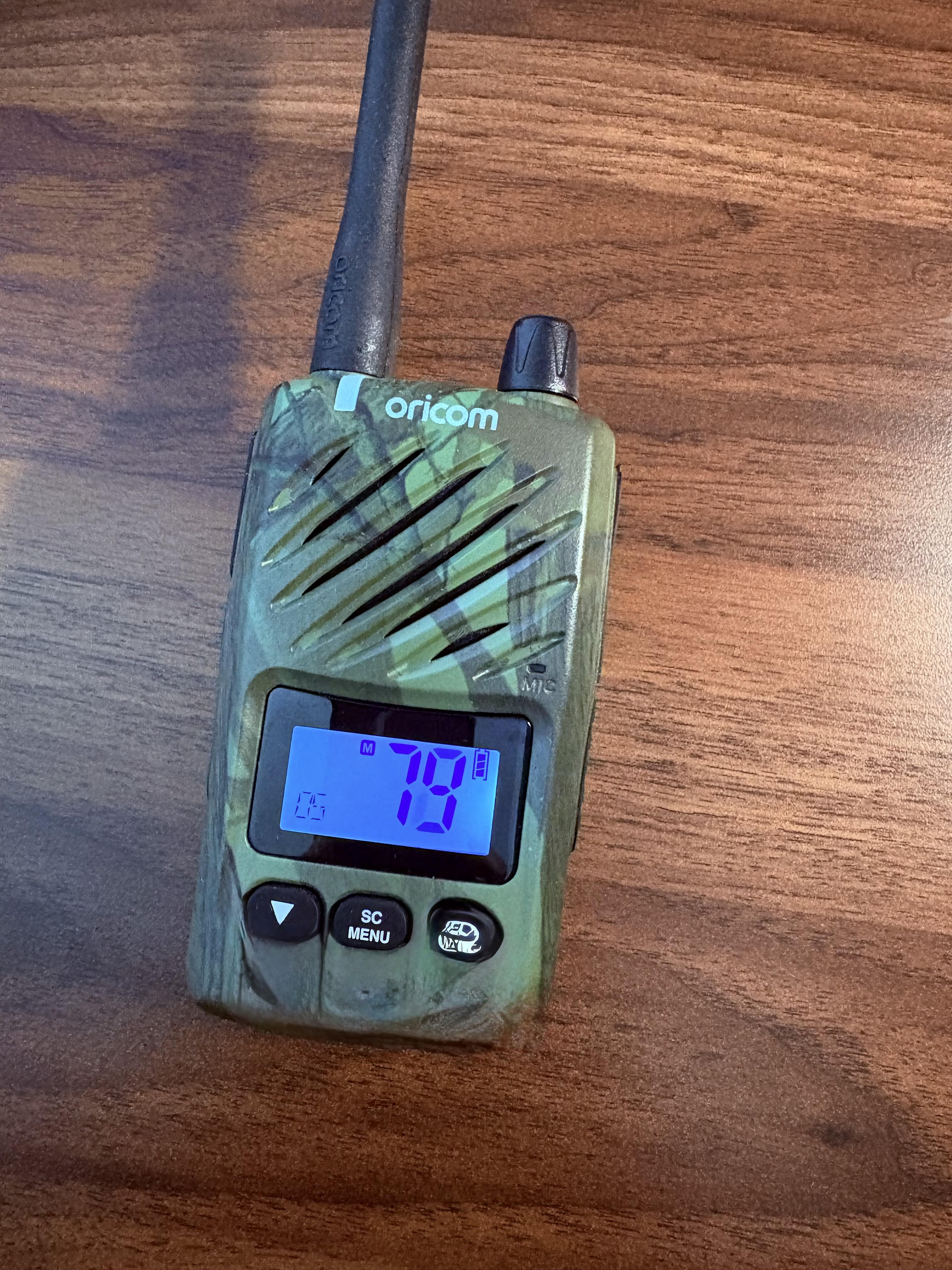
Battery-operated radios AM/FM & personal CB (regional laws apply - check your channels). We're lucky to already have a network of CB radios with a designated public channel set up locally with some established routines and call-signs. The reach of each radio (without a booster aerial) is only a few KMs in a line-of-sight, so it's important to have access to friends in the right locations (!) It was heartwarming, during our community's recent power cut, to do an occasional scan of what was on the airwaves. I heard locals checking-in on each other, one guy dropping extra firewood off to a neighbour in need and someone else sharing info about hot meals available, as the temperature fell and daylight faded.
- Food & Water
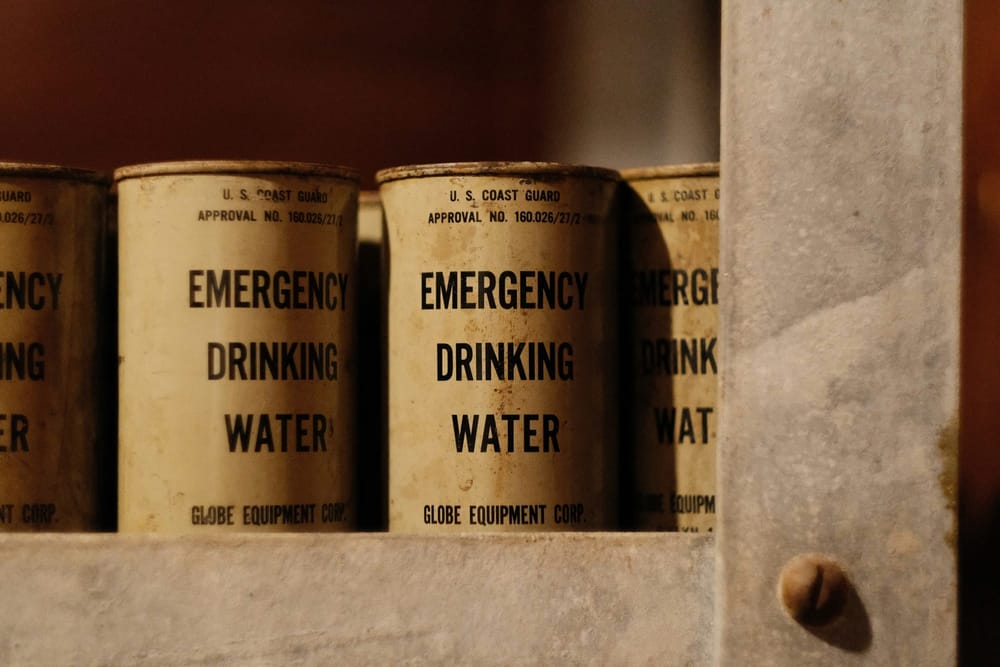
This goes without saying, and many Kiwis have access to rainwater collection systems anyway - but do they work without power (see my point below on generators)? Ensure easy access to drinking water/filters & maybe concentrated mineral drops/supplements too. Hygienic containers & large thermos flask(s) are also essential for storage of hot and cold water. Nutrient-dense food: Sprouting jar/dried seeds etc. Also dried rice, bulk salt & sugar for preserving etc etc. Tins of essentials (& tin opener).
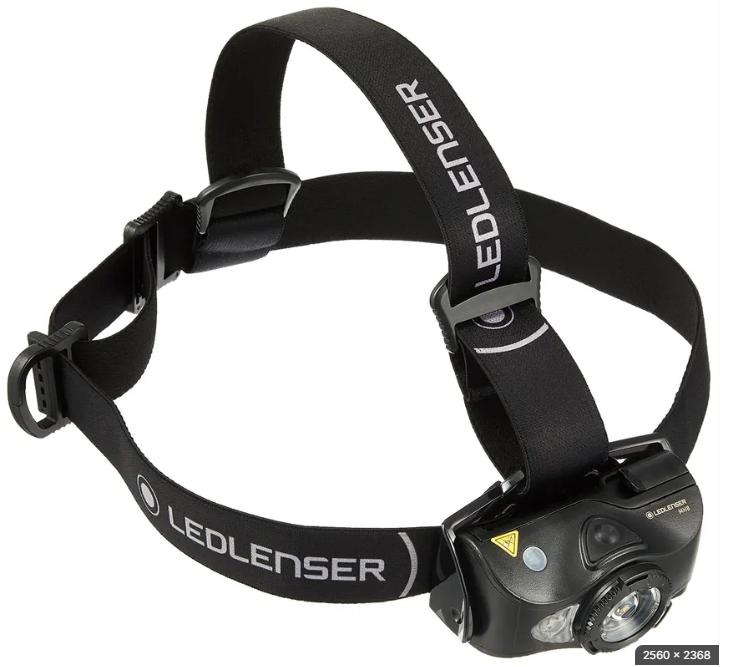
- Light
I don't think you can underestimate the importance of good light during night-time hours. It's essential for safety and also morale. Rechargeable torches, lamps & candles (& lighters) in a place you can easily grab. Maybe even one of these hands-free options:
- Generator
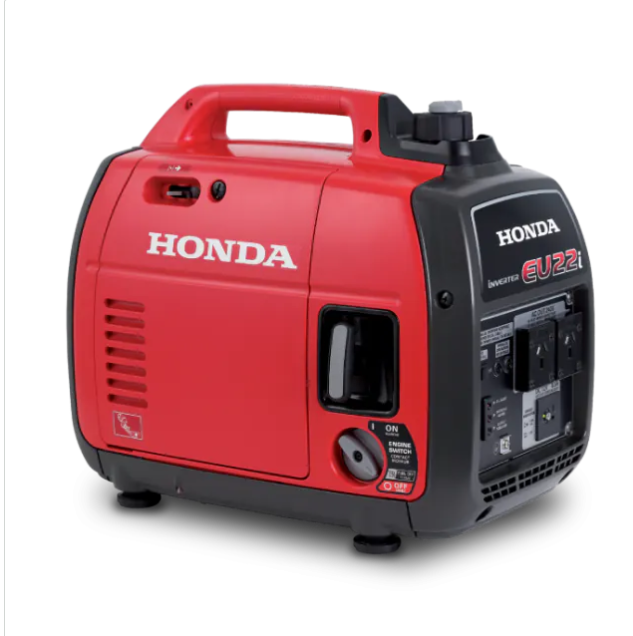
Fridges and freezers can maintain a temperature for hours if they're left unopened. But sometimes power is essential (eg to run a water pump/flush loos etc). Nowadays, 'gennys' are popular and affordable. They are also easy to use, some with a 'plug and go' type usability. Don't forget to regularly refresh any fuel you have stored for it. Talking of which....don't forget spare fuel cans (there's a bit of a shortage here in NZ).
- Proper first aid kit
I learned years ago that the traditional 'first aid kits' from places like NZs St Johns, are basically completely useless in an emergency. So, incase of injury, get prepared with items like arnica [oral & ointment], iodine, CBD/Castor oil [pain relief], Paracetamol, aspirin and maybe also supplies of ivermectin, NAC etc., bandages (various, washable) and also useful etc Do liaise closely about this prep-project with your local holistic health group(s). For instance, here in NZ, seek out your local Hub for the People's Health Alliance NZ. NB For toothache, checkout my previous post based on Dr Fre's guidelines.
- Get armed!
For hunting food, of course. Or at the very least, get a slingshot/catapult to practice target-practice. Here's some ideas.
- Basic hygiene items
Over the years, I've learned lots about making my own household items - many recipes come from vintage 'Good Housekeeping' articles/books - knowledge that has been lost in one generation. It's good fun creating these products and a good socializing idea. Staple/bulk products needed include: white vinegar, salt, beeswax, baking-powder, vodka, tea-tree oil, coconut oil etc. I also tend to barter as much as possible, so when creating anything homemade (practucal or edible), make extra whenever you can, and use to swap.
- Warmth/Heat
A reliable, cheap, heat source - inc cooking/boiling water. Those homes without wood-burning stoves or open-fires, these portable Diesel heaters seem like a great efficient option:
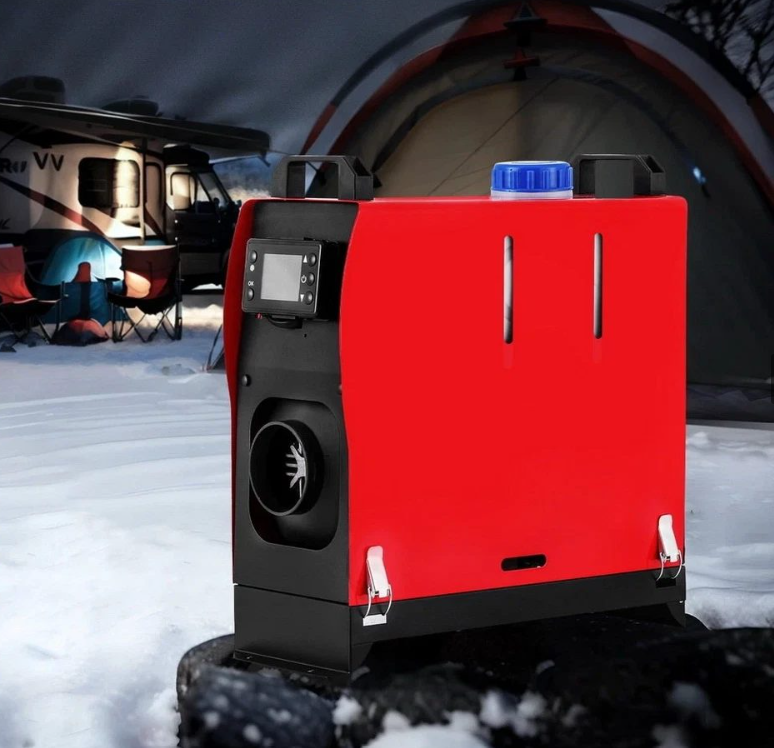
Personal warmth is also essential: think hot water bottles, woollen blankets, thermal clothing etc.
That's it! My ten suggestions from my list of prepping essentials. Do you have your own? Please do share in the comments below, especially if you are connected to a CB radio community, there are lots of ideas and options in that space I'd like to learn more about.