
China, Academia and BigPharma
Picking-up on last week's topic of the Multipolarista Network, in this week's article, I use a case-study example of BigPharma in China. I'm hoping that this kind of evidence can promote critical thinking amongst those friends of ours who might still believe that BRICS is some kind of solution to the totalitarianism that we are fighting. It ain't!
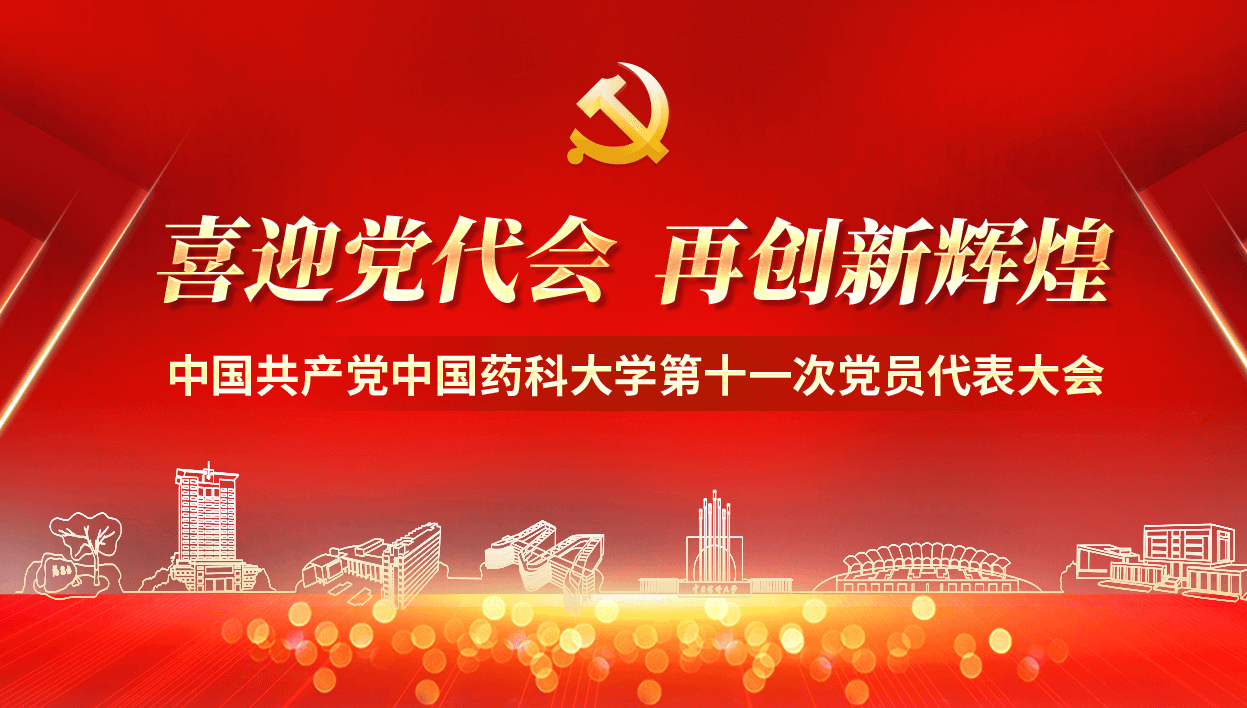
The above image is the landing page of the China Pharmaceutical University (CPU). Yes, the name is unambiguous, and that's because CPU, situated in the city of Nanjing, not too far from Shanghai, is one of the key '211 universities' which are affiliated to the Ministry of Education of China. It therefore has a critical role in the 'Healthy China 2030' Agenda - yes, that's the same Agenda 2030 as the UN SDGs, promoted by the WEF and WHO. How are those goals panning out?
Over the last decade, China embarked on the biggest health system reform the world has seen, aiming to extend health services beyond the country’s prosperous urban centres. At the start of the century, less than one-third of China’s population had access to health insurance. Now nearly 100% do. In essence, China has given its huge population a safety net that protects people from being impoverished by the costs of health care. [source WHO]
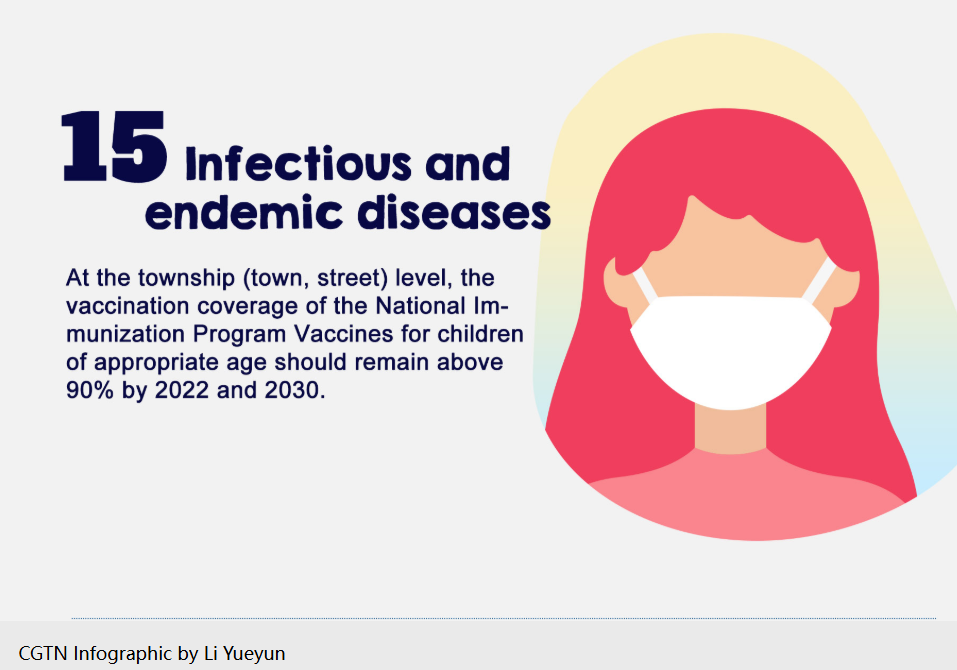
Inevitably, 'vaccines' form a fundamental part of the Healthy China 2030 Agenda. And Public Private Philanthro/pathic Partnerships (PPPPs) have formed a prominent part of these investments. Recently AstraZeneca has announced a $15 billion investment in China that has boosted employment. Furthermore, AstraZeneca has paid $630 million to acquire the development and commercialisation rights to an experimental cancer drug. Details of multiple similar massive corporate partnerships with the Chinese Government have been published. In the case of CPU specifically, one of its spin-off commercial companies has patented hundreds of new drugs and treatments, with thousands of 'peer-reviewed articles' that are sure to confirm how 'safe and effective' these BigPharma-funded 'innovations' are.
Reading through endless Chinese academic articles from CPU confirms how frequently our language is hijacked for CCP propaganda purposes - 'natural' products are actually synthetic, or at the very least, treated with highly toxic chemicals during processing:
 Ursula Edgington
I wrote previously about my discovery of a similar hypocritical narrative in nearby Shanghai's 'Community Gardens Project' - again, propaganda attempts to paradoxically reflect the warped SDG 'health' goals. One 'garden' was a contaminated landfill site surrounded by urban sprawl, 5G towers and power lines, flattened and paved over in a superficial attempt to create the 'benefit' of artificial nature:
 Ursula Edgington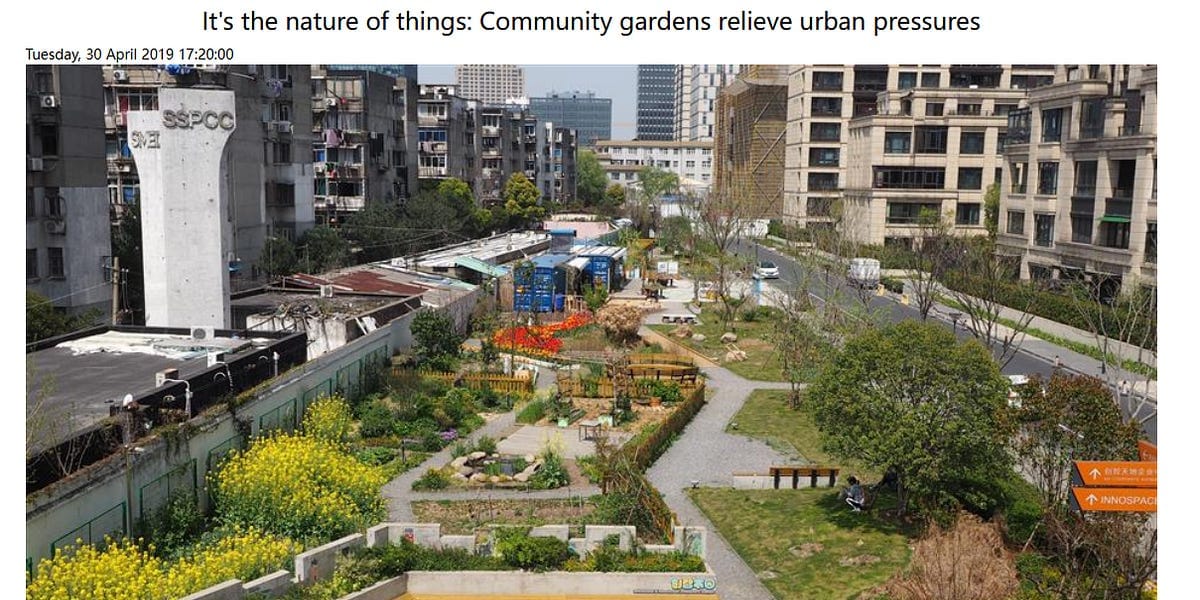
Along with AZ - Pfizer, Merck, Sanofi, Eli Lilly and others are apparently falling over themselves to partner with China's University Medical Schools for R&D that is fast-tracked to the public through the newly-accessible universal health insurance that those same BigPharma companies control and profit from (3 mins):
Let's emphasise one statement from the above clip:
"...as the general manager and at that time we would hope for a new innovation from our company to be approved within four years of US approval and now we hope for approval within 4 weeks. There's just been a dramatic change speeding up the regulatory processes and harmonizing Chinese regulations with the global standard and we have high expectations for this year really driven by our innovate breakthrough innovations..." David Ricks, CEO Eli Lilly & Co
As we learned from the UK's MHRA, the regulators have now become 'enablers' (2 mins):
Seems like the same has happened globally. No wonder the partnership agreements and biotech investments are pouring into China. Pfizer announced a US$1Billion in its own version of 'China 2030' two years ago. Back in 2010 Pfizer set up an R&D company in Wuhan. Last year, Chinese pharma company 3SBio signed a US$100m drug licensing deal with Pfizer.
None of this could happen without the competitive academic environment that drives the applications for R&D funding. And that, as I have written (and spoken) about extensively before, is where the corrupt universities play a crucial role:
 Ursula Edgington
Universities, after all, are where the paid 'experts' reside, and the fake-fact-checkers peddle their propaganda:
 Ursula Edgington
CPU has grown enormously since it's 1980's beginnings. Today it has alot of students - nearly 20,000 students enrolled on undergrad and postgrad medical courses. Many are taught in English. Predictably, AI, surveillance and technocracy is ubiquitous for staff and students:

Looking at the CPU marketing, it's clear many students are recruited from India and there are overseas 'partnered' colleges and agencies. Scholarships (no doubt funded by BigPharma) are accessible. The CPU campus covers 140 hectares.
It will come as no surprise to see that one of the CPUs major donors is Hengrui Pharma - according to Wikipedia the largest Chinese pharma company listed on the Shanghai stock exchange, and a large investor of mRNA biotech.
I'll write more about academia at these Chinese universities soon, but meanwhile, if anyone claims that China...
a. doesn't have a social credit system,
b. doesn't have an established AI technocracy, or
c. can offer any antidote to the managed demolition of the West...
...then maybe you can use this example to ask them to explain how?
Thank you for reading. Please share and comment to raise awareness of the Pro-China Multipolar propaganda that seems to be spreading!