UN SDGs: Protein, Propaganda & Profits
What do fashionable ketogenic diets, protein supplements and BigPharma have to do with little old New Zealand? I want to expand on an article I recently co-authored with Michael Ginsburg Is a MAHA Playbook being applied in NZ? which has promoted quite a bit of interest, feedback and some cognitive dissonance, too.
 Ursula Edgington
A number of questions were raised, including this one from a subscriber:
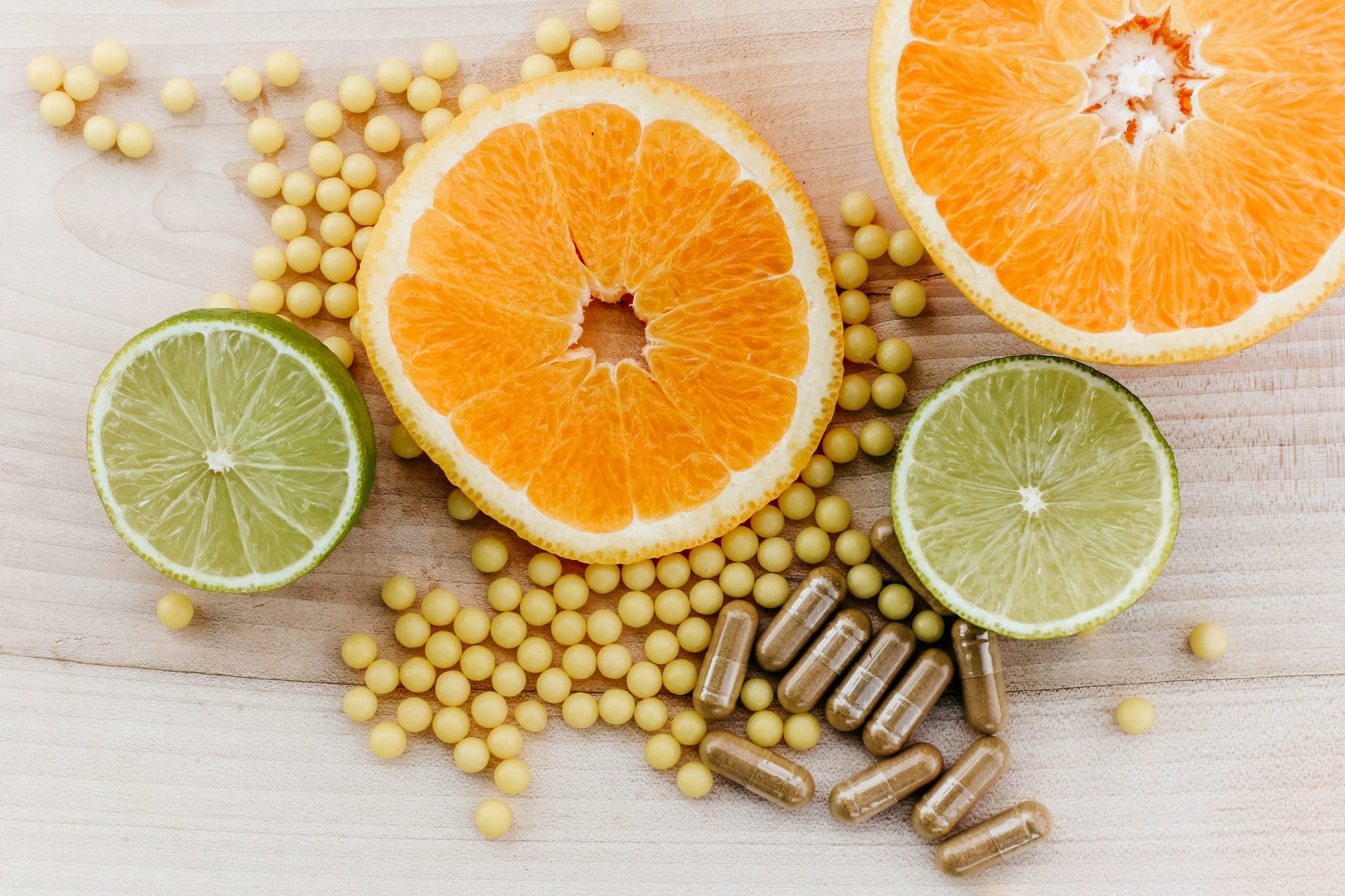
“But why is BigPharma buying into the dietary supplement industry?”
This refers to the specific example Michael and I used where China’s Fosun Pharma (partner of Pfizer during covid), part of the corporate giant Fosun International, owned a 20% shareholding of dietary supplement giant, Nature’s Sunshine Products (NSP). NSP is a Utah-based nutraceutical plant, and commercially benefits from decades of political lobbying. Fosun coincidentally, likes to promote itself as part of an 'ecosystem' of 'Happiness' - a problematic concept I wrote about last week, when beginning investigations into so-called 'freedom' universities.
Fosun's financial investment in nutraceuticals isn’t just a way to control ‘both sides’ of the market (an unhelpful, binary phrase). Ownership of what is strategically defined as the ‘health supplement’ sector, allows funding and research to be steered in a certain direction. As many of us who presented in the recent Omniwar4 webinar explained in our presentations, academia is captured - and for multiple reasons is driven towards the UN SDGs. Let me explain...
Sticking with Fosun Pharma acquisitions as a case-study, one of its interests alongside cancer treatments and dietary supplements is analysis of proteins needed for animal and human health. Why? According to the criteria for academic research funding, global food waste urgently needs to be reduced, so that populations can be fed more ‘efficiently’ and methane emissions reduced. For instance, SDG 12 directs us to 'Responsible consumption and production' and SDG 2 highlights the need for 'food security and nutrition and sustainable agriculture'.
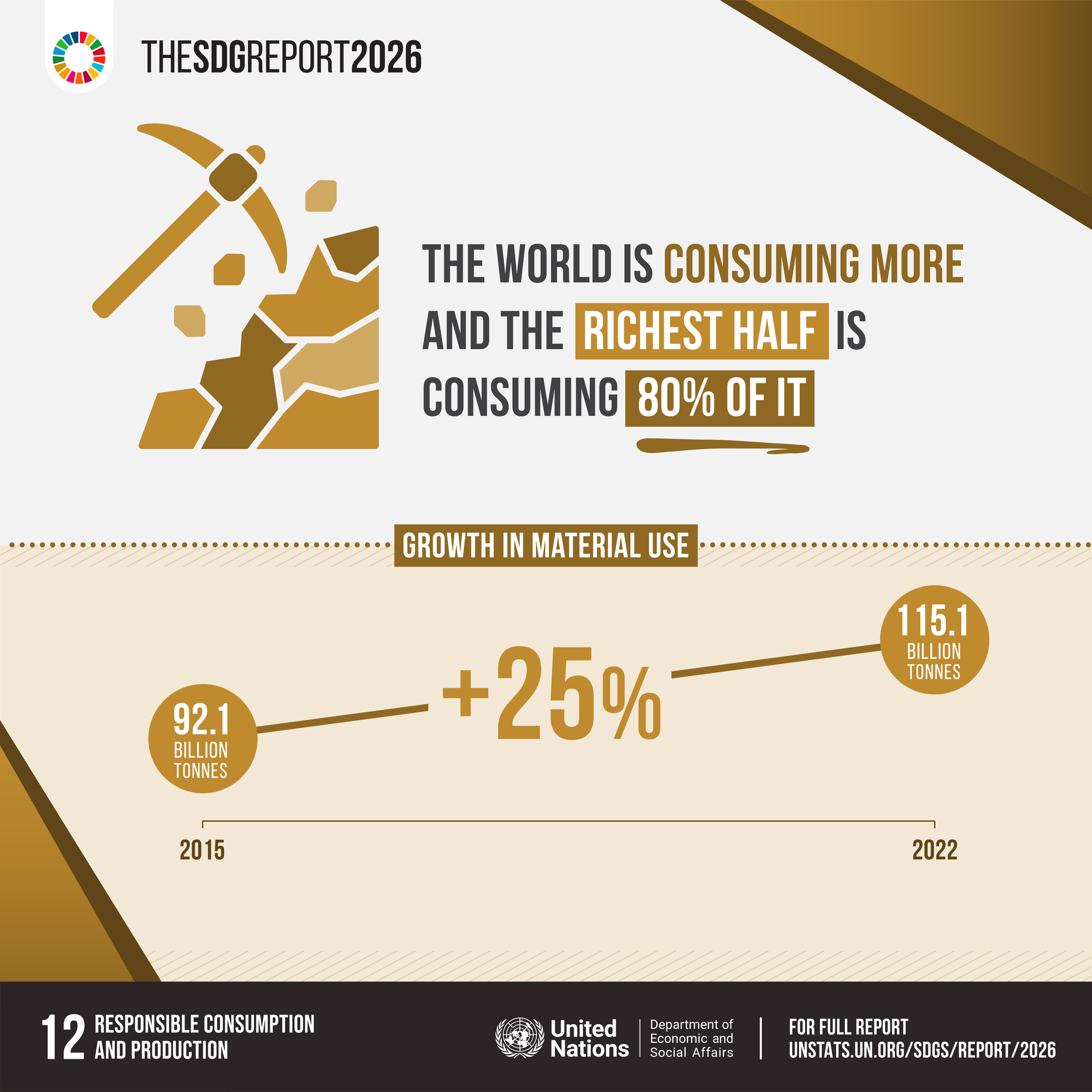
Importantly for us in NZ, Dairy Net Zero is part of this project. After all, we need to mitigate the impact of harmful anthropogenic climate change in our Earth’s atmosphere from beef and dairy herds and landfill sites, right?! Except if you're a Globalist. And to highlight the ongoing hypocrisy, one of Fosun Intl's 'happiness' travel companies, Club Med can promote its interpretation of 'sustainable holidays'. But the reality is, cruising is incredibly toxic, polluting and wasteful. Understanding the propaganda of the UN SDGs illustrates the goal is not to obtain them, but to be seen to be reaching for them. Hence the attractiveness of carbon credits and other ways of greenwashing these uncomfortable realities of large-scale commercial capitalism and it's profitable 'happiness'.
"Eat Zee Bugs!" Sustainable Protein
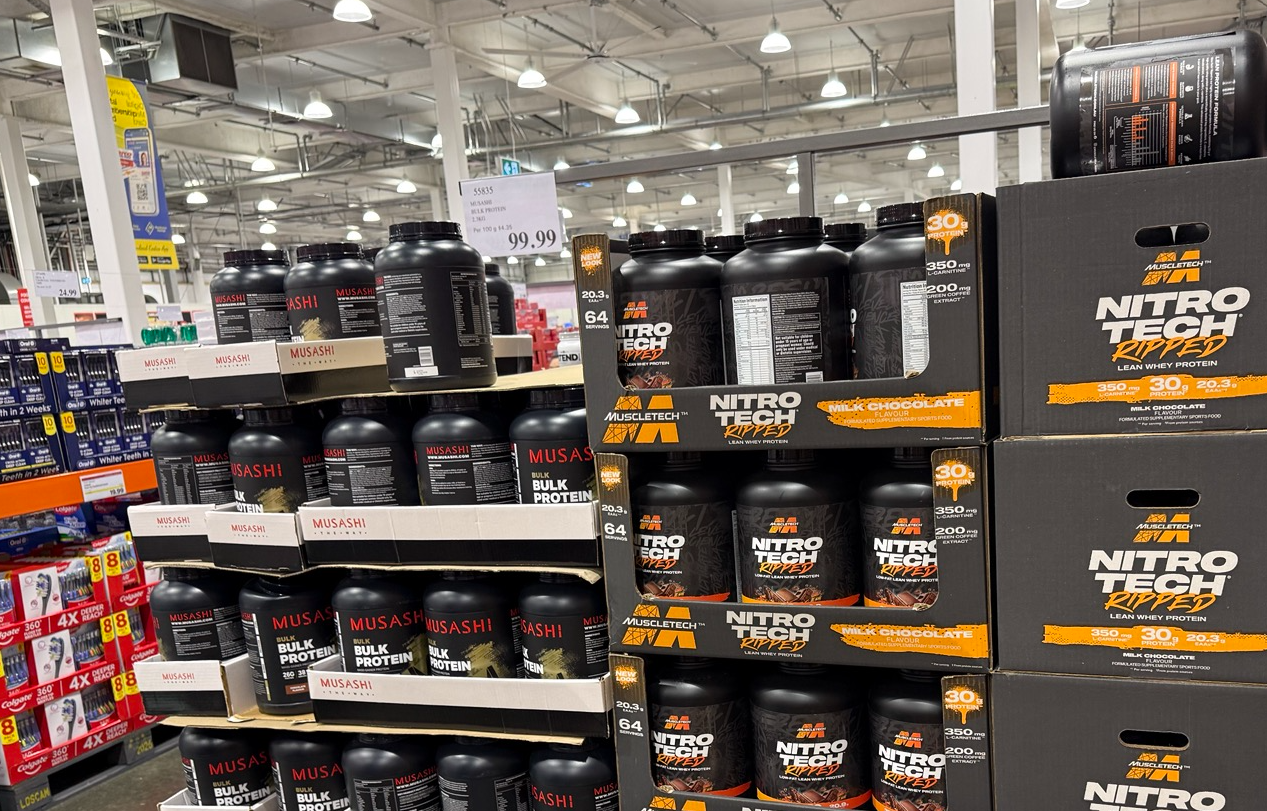
Protein powders are one ‘solution’ to this contrived ‘problem' of providing food 'efficiently' to the masses. Rather than the 'inconvenience' of nurturing natural animals for meat, replacements can offer alternative sources of protein from plants, bugs, dairy and even deer milk (!) From the Agenda 2030 perspective, consuming specific (controlled amounts of) micro/nutrients results in ‘less wastage’. And in some contexts, an individual's intake could be managed (controlled) by AI ‘tools’. In fact, that is already happening, thanks to health apps and devices that measure your dietary input (and energy output). What about the next stage of this technology?
NZs role in this element of Agenda 2030 is clear. As I explained previously about the NZ dairy industry's role in the 5G roll-out for geo-fenced stock (and people?):
 Ursula Edgington
Much of the UN data collected by scientists over the last 10 years on dairy protein and amino acid digestibility has been led by research from NZ Massey University's Riddet Institute by Dist Prof Moughan and Dr Hodgkinson. Massey University's academics travelled to Utrecht in 2023 as part of a UN conference for Project Proteus about redefining dietary guidelines for protein - e.g. How much protein does a human actually need, and how 'sustainable' is it to produce?!
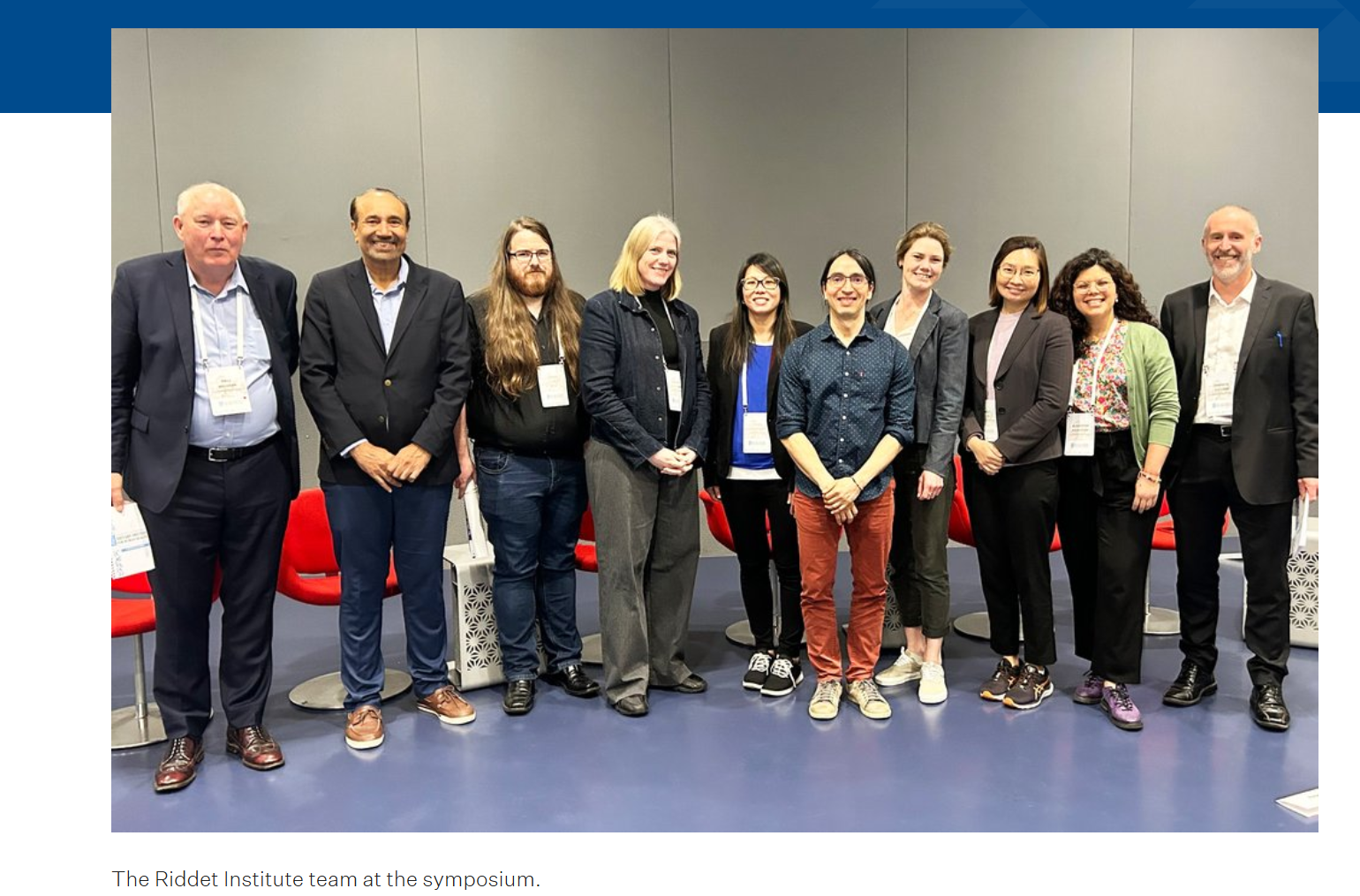
The Riddet Institute partners with the United Nations (UN) Food and Agriculture Organization of the (FAO) with a 'One Health' goal to create marketable 'meat substitutes' that:
"...mimic, or recreate, conventional meat in visual appearance, smell, texture, and taste, and can be broadly classified into two main product types: laboratory-cultured meat, and plant-based meat analogues. Lab-cultured meat is founded on tissue-engineering technology, established in regenerative medicine, and used to create living tissues (muscle and fat) from animal-derived cells. " [source]
Specifically, with 'Net Zero' funding incentives, Massey researchers are investigating "alternative methods of creating meat products with a lower environmental cost." These include modifying grass for human consumption (yes, really), adapting synthetic self-assembly peptides in artificial meat and highly-processed plant, insect and pea proteins. (See various Riddet Inst Annual Reports for details). Perhaps the most disgusting of Riddet's dietary 'innovations' is created from foetal bovine serum (FBS) - a byproduct made from the blood of cow foetuses. As partners of the pathway to 'Dairy Net Zero' NZ$millions of funding have been awarded to the Riddet Inst as project contributors. Because...
“...national and international food and nutrition policy remains significant, with the Proteos project on dietary protein quality, for example, continuing to attract attention and inform thinking well beyond New Zealand.” [Paul Moughan Riddet Inst Annual Report 2025]
Following the money reveals how funding for Proteos comes from the Global Dairy Platform (GDP) - a partnership of global BigFood names which together own ALL those familiar brands of milk, butter, cheese, pizza and processed food products - namely:
US co-ops Dairy Farmers of America, Land o' Lakes and Laprino; French-based Danone; Arla (a Danish/Swedish company); Friesland Campina (a co-op of farmers from the Netherlands, Belgium, Germany and France); Amul (an Indian co-op), Morinaga (Japan); Meiji (Japan, China, Thailand) and of course, NZs Fonterra.
This entity may go some way to explain the global lockstep of the corporate food industry, including Fonterra, during the covid era. As I wrote about here.
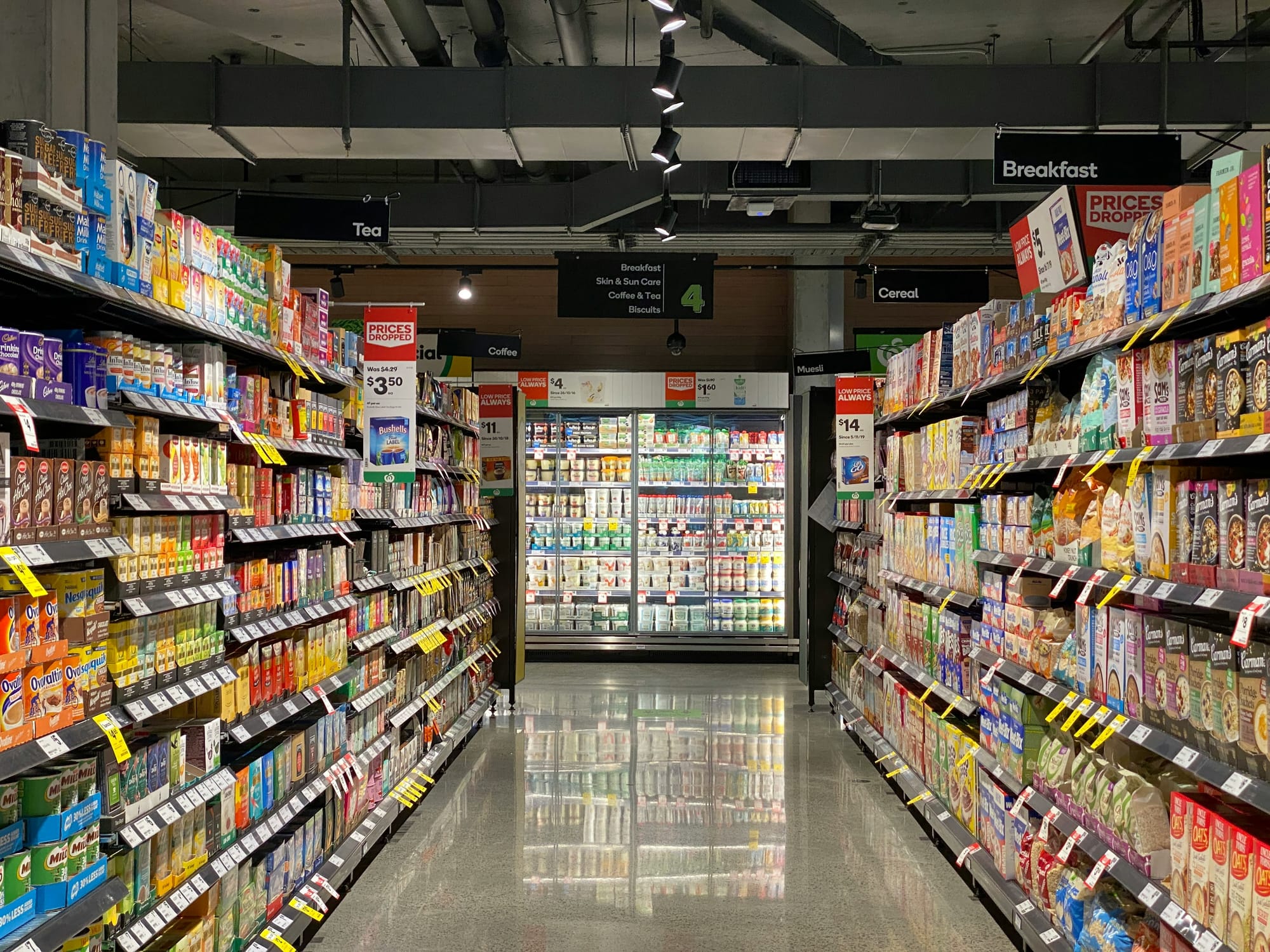
Partnered with the International Dairy Federation (IDF) these GDP entities are primarily funded through annual membership fees. IDF's fees are calculated on a country’s milk production. By the way, you know those organic and 'raw' milk branded products you prefer? Sorry to say, chances are, these BigFood corporates own those too! BigFood corporate giants like these invest heavily into research and lab-based protein analysis to adapt powdered baby-'milk' formula, dried sauces/drinks etc and process 'tastier' pizza cheese. But you may have noticed how powdered nutraceuticals has grown an even wider audience recently? And it's not just about fashionable ketogenetic diets...
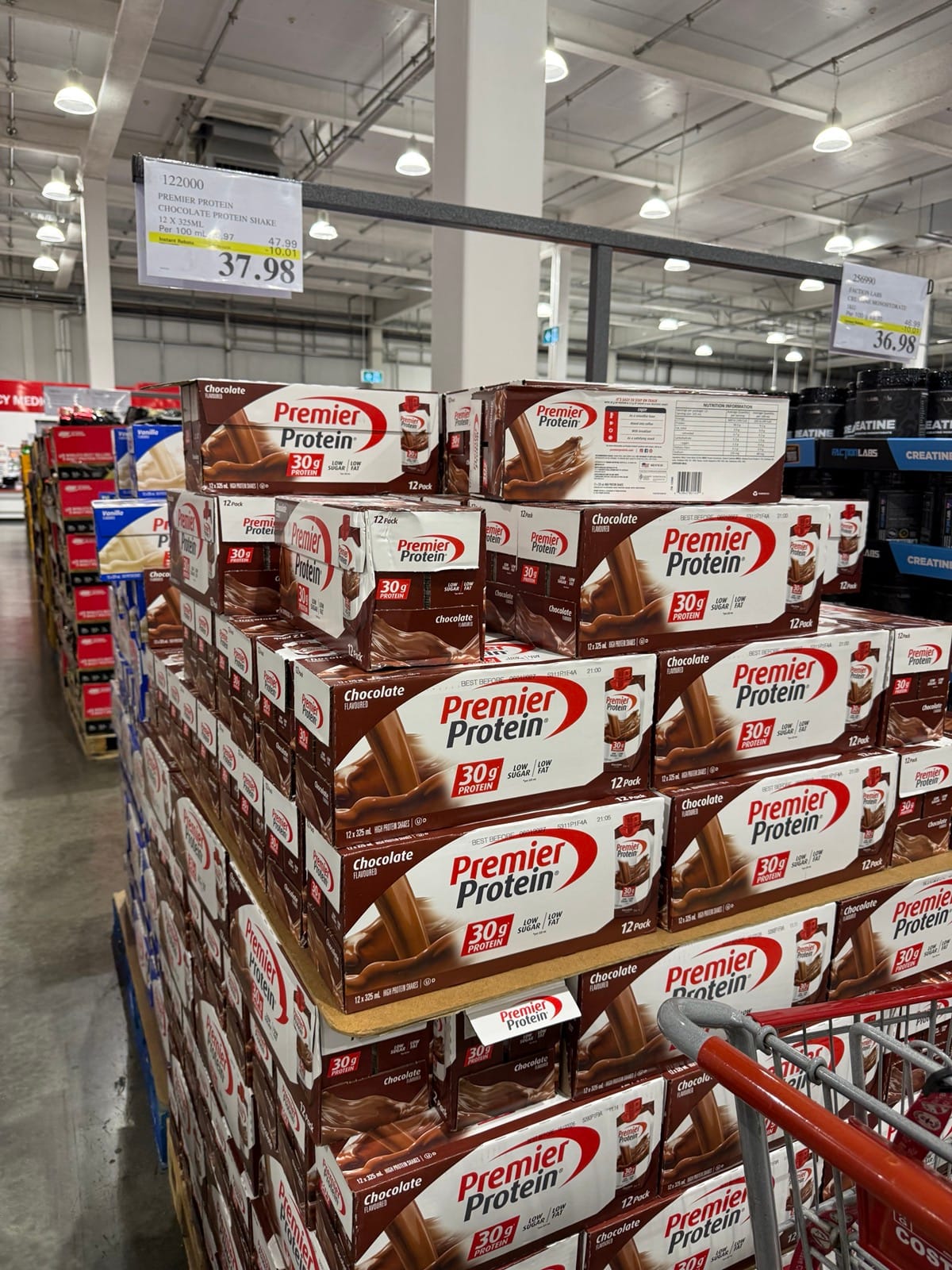
Because these highly-processed (synthetic) types of protein can be marketed as an 'efficient' and 'sustainable' edible nutrient (I can't call it 'food'), various AI tools can be leveraged to achieve the SDGs I mentioned above. For instance, AI can monitor, measure, offer ‘helpful advice’ and apply ‘penalties’ for food waste. These nudges have already been in widespread use for years in the hospitality industry – including those polluting cruise liners I mentioned above. AI is learning our tastes and our ‘bad’ habits. For instance, here's a quick clip of the tech in use:
The company’s consoles are installed over bins in over 3,000 commercial kitchens around the world, recording images of discarded food as it is thrown away; Winnow’s AI model then identifies the type of food, analyzes it by weight and cost, and uses this data to provide insights into waste reduction strategies on a kitchen-by-kitchen basis. [source]
Domestic application of 'sustainable' food production has already begun, albeit on a voluntary ‘user-friendly’ basis. 'Free' apps like: NoWaste AI and PortionsMaster provide a 'solution' to your wastage 'problem' - connect-up your Apple SmartWatch, MyHealth app and maybe even your Smart fridge (I kid you not), to play your part in reaching those UN Sustainability Goals - and lose weight too! Win, win!
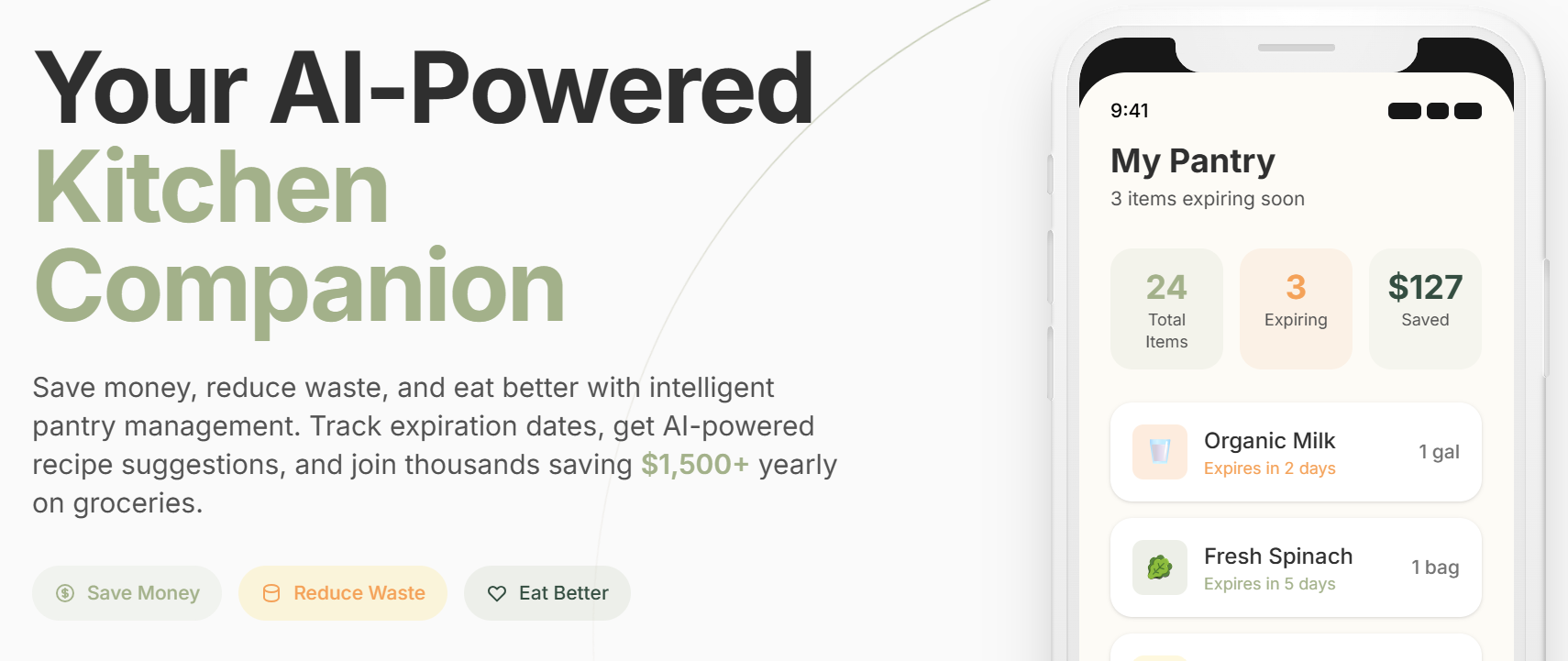
And on the subject of weight loss. AI apps like these can harvest enormously valuable data - which can be used by those pesky Nudge Units to further influence customer behaviour. Apparently, motivating us to produce less waste to begin with, leads to a raised awareness of how much we usually waste, then we're incentivized to try to reduce it. So what are these nudge incentives?
Too Good to Go’s app (available in Europe, North America and Australia) allows users to collect discounted “surprise bags” of unsold food from local businesses..." [Source]
Great idea! I hear you say. But wait, what's actually inside those 'surprise bags'? Judging by the feedback on social media posts, not always the 'healthy' or fresh food that some expect. Profits always comes first!
In Conclusion..
Pfizer and Fosun Pharma are already co-invested into the new 'obesity' drugs referred to by the WHO as 'GLP-1 therapies'. And 'experts' apparently often prescribe patients protein powders to take alongside these drugs (will it never end?). Sustainability is often surface level only, as the 'surprise bags' initiative shows. The propaganda about global food supply shortages dismisses the positive impact of local community gardening projects and the benefits of investing time in improving growing food, cooking and other skills that are inherently more sustainable.
Agenda 2030 is coming. Even in our small district, monitoring of waste takes place via surveillance and microchips molded into our recycling wheelie-bins - craziness I described here:
 Ursula Edgington

There's plenty more to write about this. For now, hopefully I've helped fit some more pieces of our jigsaw together and illustrated how our healthy future is not going to be sourced from any food supplement factory part-owned by BigPharma. Neither are we likely to benefit from enormous plastic tubs of highly-processed, powdered plant protein made in China. Personally, I cannot begin to define artificial meat manufactured from cells of a cow foetus as 'healthy'. BigFood, BigChem and BigPharma lobby groups influence governments' policies and continuing to grow in power as they merge and consolidate, capture academia and regulators. It stops when we say NO!
Real food that is nutrient-dense and free from poisons takes hard work, discernment, time, cost and effort. Knowledge of the manipulation of familiar brands is crucial because it is key to our own, local, future food security.