
Toxic Dangers of ‘Fast-Track’ Building Consents in NZ
'Don't Burn Waipā's Relief at Delayed Decision Maybe Short-Lived

Global Metal Solutions Ltd is applying to build and run an industrial incinerator ‘Waste-to-Energy’ plant in Te Awamutu, but because they have not paid the application fee to the Environmental Protection Authority (EPA) the decision is on hold. Why has this happened? Let’s dig a little...

In this article, I highlight factors that have largely remained hidden in this debate: the conflicts of interest within this proposal. Conflicts of interest are all-pervasive in NZ. And I’ve written before about the capture of Waipā District Council by international chemical companies in relation to our fight against toxic fluoride being added to our drinking-water:
 Ursula Edgington, PhD
Next month, the seventy-year ongoing destruction of our environment continues on our local mountain, as the eighth (or is it ninth?) aerial application of tonnes of 1080-poisoned food-bait rains down on our forest and reservoir once again. We already anticipate the eerie silence that follows. Luckily, we have our own source of clean drinking water, others do not. I’ve realised how the BigChem (inc Intl Rentokil) machinery that maintains the propaganda and censorship of this Corporate Playbook is simply too powerful to stop. At the moment, anyway.
Our community is now also under threat of being poisoned from another source: a so-called ‘waste-to-energy’ plant is proposed, an enormous incinerator to burn toxic waste because there is not enough recycling or landfill sites in New Zealand to deal with our rubbish. As I explain, on both commercial and ideological grounds, this proposal is illogical, unethical and unfeasible.
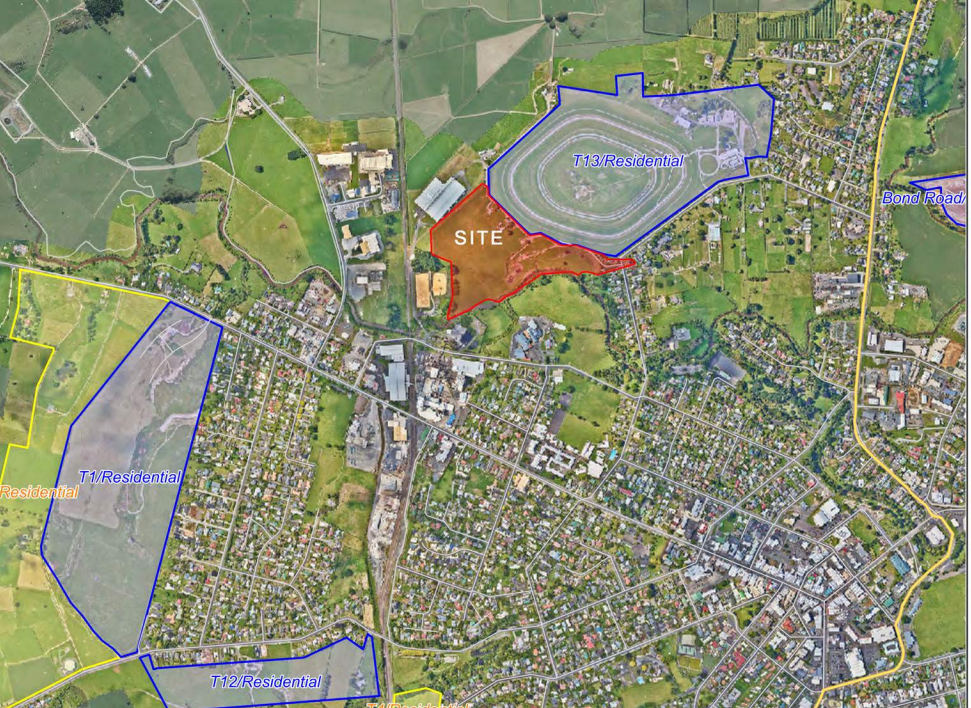
Our ‘Don’t Burn Waipā’ campaign against this proposal has, until now, quite rightly focused on the physical impact of the incinerator on our town’s residents and ecosystems:
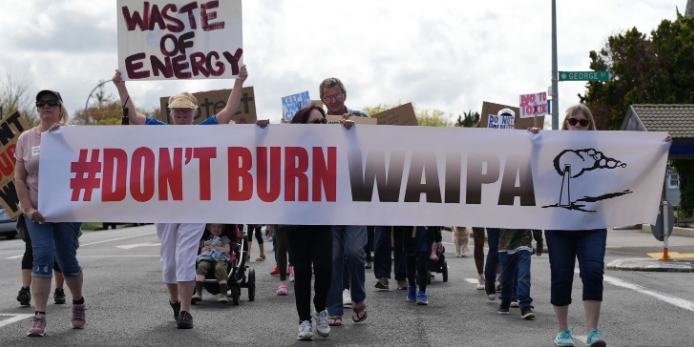
In my own submission to Waipa District Council, I provided details of these issues:
- The crux of this proposal seeks to address the symptoms, not the root cause of the problem: New Zealand’s recycling and landfill facilities are out-of-date, inadequate and missing the combination of incentives and rationale that have existed in other countries for decades.
- The technologies for waste to energy plants have developed into highly technical, costly and complex issues that New Zealand has no expertise in, nor experience of. Overseas, waste to energy plants are being reduced in number, as the criteria and costs of monitoring, maintenance and decontamination of byproducts, increases.
- The location of this proposal is completely unsuitable: it is in a residential neighbourhood with schools and churches and community centres next-door. It is also situated almost entirely in a floodplain area which would contaminate surrounding ecosystems. Known/unknown factors of contamination and pollution from this plant will adversely affect the health and well-being of residents and visitors living in and near the vicinity.
- This plant will perversely incentivise municipal solid waste to be brought in from outside the region.
The campaign to raise awareness of the harms from this proposal has been a long one. Anxiously we waited for the imminent EPA decision. But now, we’re told the EPA have delayed the decision about the incinerator, because GCS have not paid their Submission Fee.
Is this strange? Or is it a deliberate ploy? Could one reason be the upcoming local regional elections (Oct 2025)? Perhaps GCS envisage a more ‘friendly’ approach to their proposal if certain new candidates (or Mayor) get voted in?
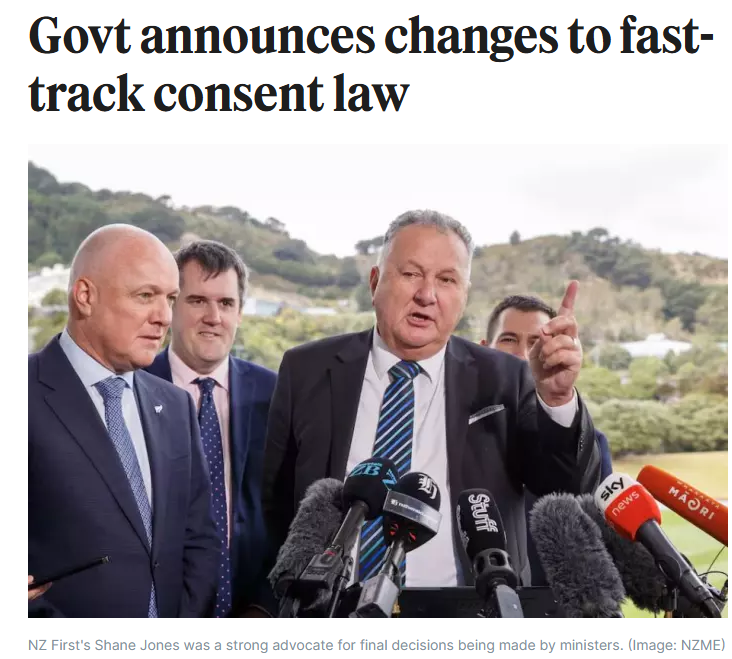
Or is GCS’s delaying tactic political lawfare? As our UniParty (currently conservative National) has already proposed a widening of ‘fast-track’ building consents, in particular energy-related projects, so perhaps the decision will be taken out of EPA and local’s hands and into the corporates pulling the strings of our Government?
Conflicts of Interest
Global Metal Solutions Ltd is one of nine companies that involve Craig Tuhoro, including Global Contracting Solutions (GCS). Tuhoro is the main shareholder of GCS Ltd and predictably promotes the proposal as ‘beneficial’ to our environment. Claiming GCS Ltd “is proudly Māori owned and whānau-run”. But all is not quite what it seems…
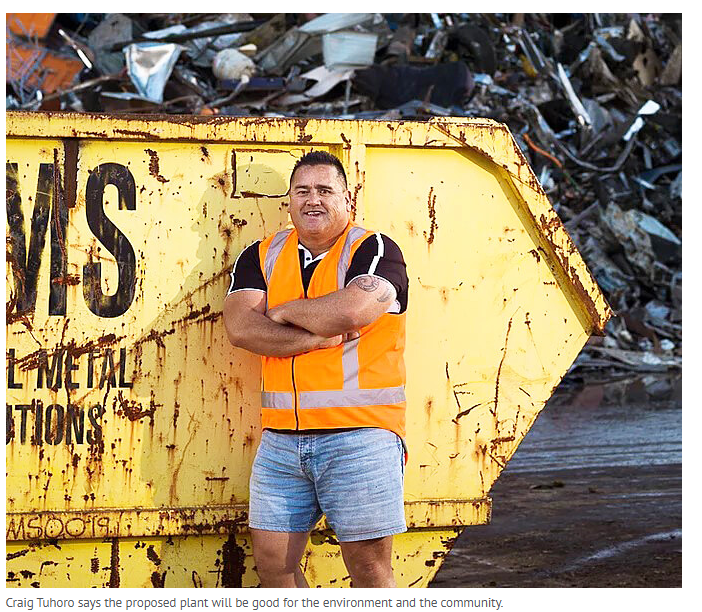
Current shareholders of GSC Ltd include a Malaysian-based entity (10%). Why is that? A past shareholder of GCS was former NZ Labour MP Nanaia Mahuta's husband (and cousin), Gannin Ormsby.

Ormsby is currently director/shareholder of Ka Awatea Services (archived) which funnily enough, changed its name last month to Eamai Ltd. I wonder why? Predictably, because of his Government connections, this is a consulting firm specialising in Māori issues. Eamai Ltd has been awarded contracts worth thousands of dollars over the years by Kāinga Ora, the Ministry for the Environment (MoE) and the Department of Conservation (DoC). Craig Tuhoro and GCS were also a shareholders of Ka Awatea (now Eamai Ltd) until 2020.
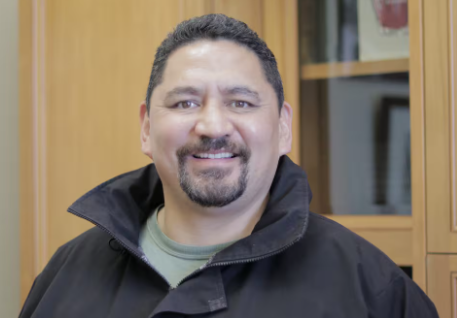
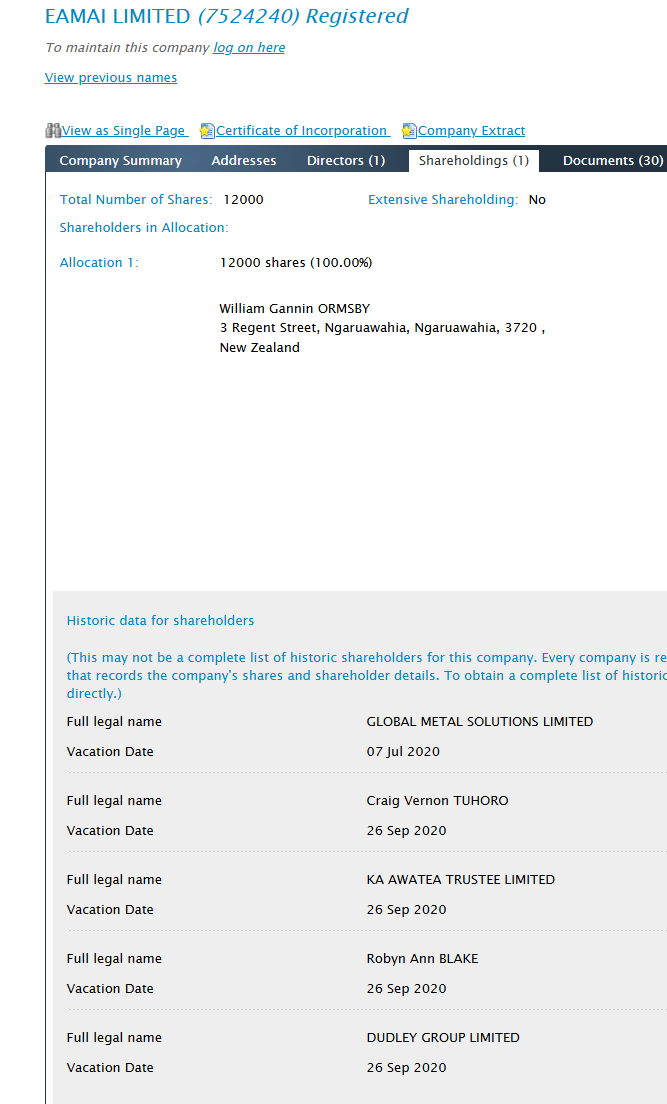
When researching, changes in any company’s name always prompts questions. The timings of these changes, including major shareholdings when this application defined as ‘of national significance’ has been submitted, prompts even more suspicions. Who are the Malaysian interests? And who are Dudley Group Ltd?
At what point are the multiple conflicts of interest considered by the EPA, especially the PPPP contracts/grants awarded - an NZ problem I have already written about repeatedly, e.g. here and here. Understandably, numerous people, including Deputy PM Winston Peters, have voiced concerns, and investigations have been initiated into issues of nepotism by Mahuta in various roles in Government and advisory entities. But so far, as usual, accountability for us taxpayers seems out of reach.
Gannin Ormsby seems to be closely associated with every aspect of this proposed incinerator. Hidden in plain sight. For example, he is a member of Waiora Governance Committee for Waikato Regional Council; a member of the ‘Expert Panel’ for National Waste Strategy and a member of Waikato-Tainui iwi, as a member of Para Kore (advisor to MoE). The tentacles seem to be everywhere: Ormsby’s sister-in-law and cousin is Waikato Regional Councillor, Tipa Mahuta, who herself has multiple conflicts of interest, including being Chair of the Māori Health Authority and the Waikato River Authority (and more).
I am not accusing anyone of illegal behaviours. I am simply pulling attention to why this quite frankly, bizarre proposal, has reached this advanced stage, when it is so obviously contradicting the Councils’ and ratepayers’ objectives, ethics, philosophy and needs. This proposal doesn’t address any long-term or ‘sustainable’ objectives for Kiwis – it is simply another commercial opportunity to profit from perverse incentives that do nothing to protect us from harm.
Beware the power of the Corporate Playbook: I suspect powerful forces behind this submission (and others similar). And I have already shown how the Lawfare in NZ exploits its own citizens. Could this bureaucratic delay be strategic? The decision to build this toxic monstrosity already made? Maybe. Maybe not.
It stops when we say NO!
- You can Buy me a Coffee here so I can help others.