
Keeping Life Real: Bees, Nature and Water
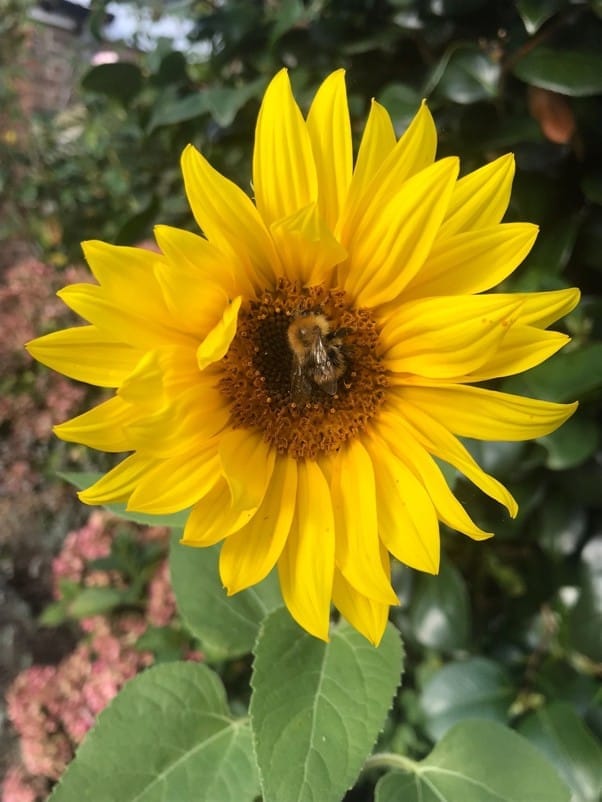
With all the craziness going on around the world, which seems to increase in negativity everyday, I thought I'd take a break from exposing corruption and 'following the money' for a change. Today's short article focuses on IRL [In Real Life], face-to-face interactions and an interest that keeps me (and others) grounded.
Previously, I've written about my interest in social gatherings and live classical music, like the value of local concerts to our mental well-being. Here's another aspect of my IRL. Last week, I was asked to give a talk about my bees to a local gardeners' group. I'm no expert, but I am always keen to learn and share knowledge and meet new friends. About fifteen people turned-up, I was humbled to discover some had driven over an hour to attend! The warm morning sunshine broke through the clouds for us, as I explained the beekeeper's seasonal calendar:
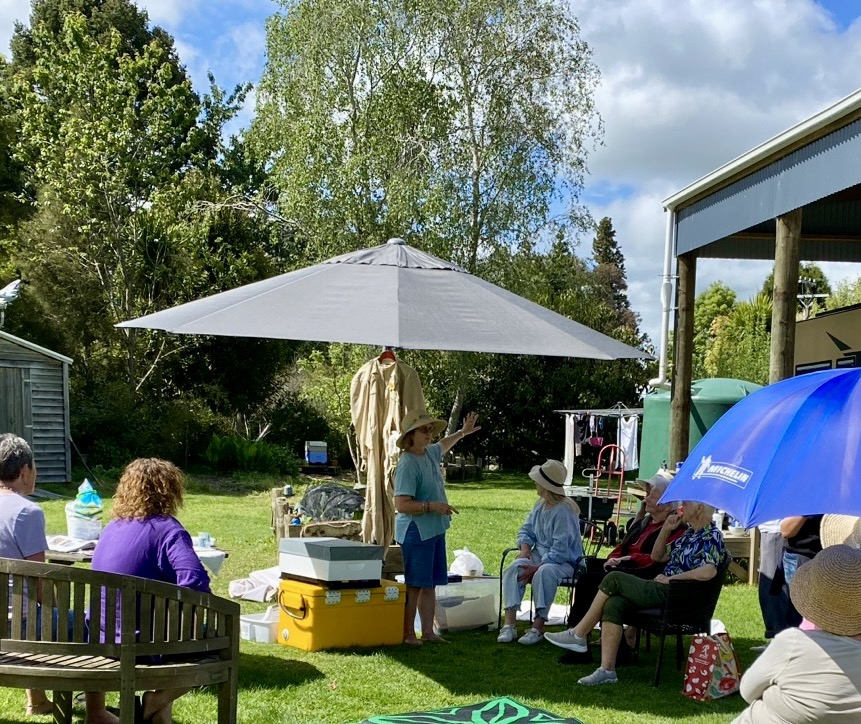
I had some very interesting questions from the group, including a discussion about how (non-native) honey-bees face challenges in New Zealand's climate and ubiquitous use of poisons. "Please stay away from glyphosate and other pesticides!" ...being from overseas, I'm saddened by the over-reliance on 'Round-up' and other poisons, it weighs heavily on my heart. It takes hard work sometimes, but we're committed to using no artificial chemicals on our land.
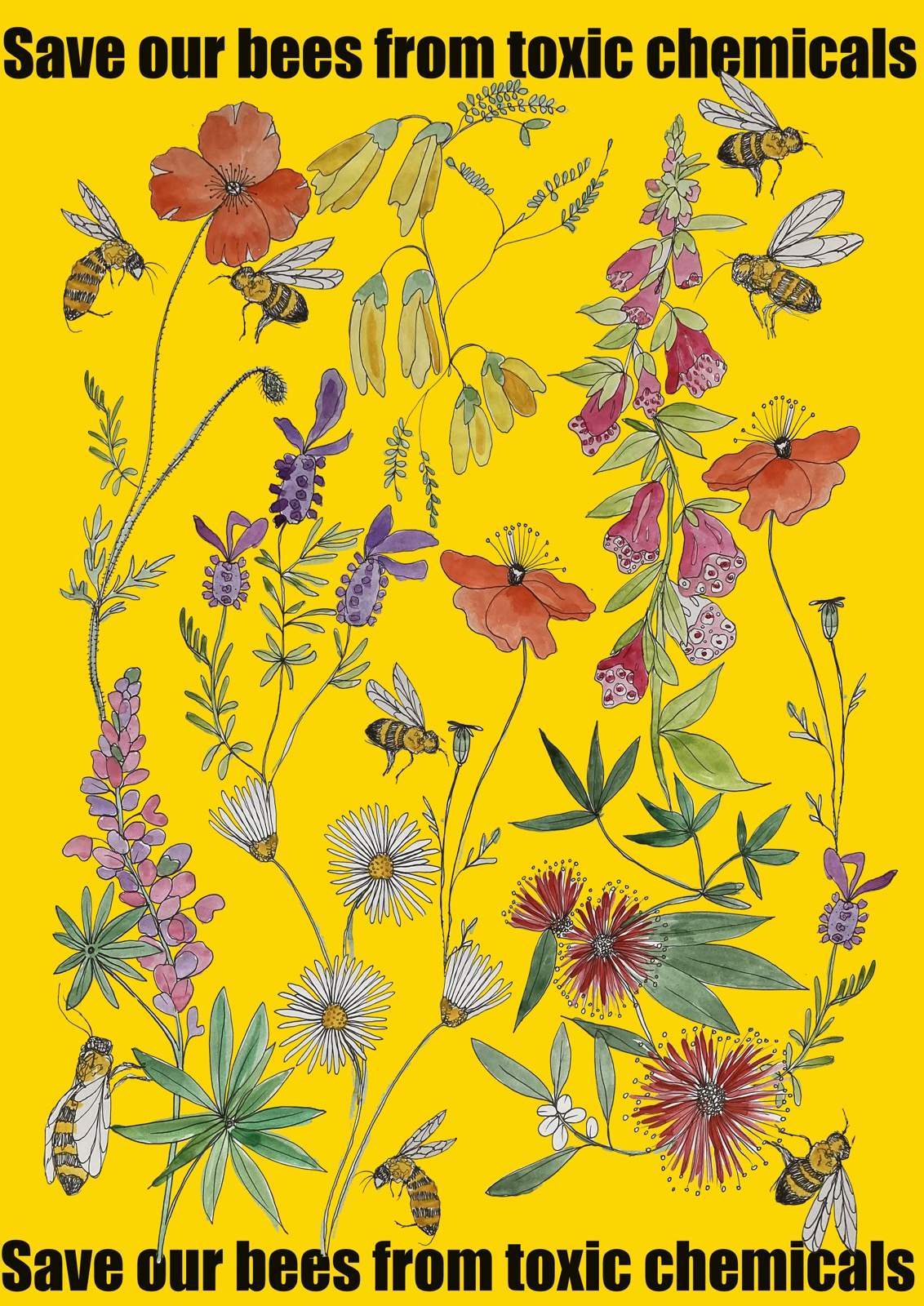
Consciously providing a sanctuary for bees provides benefits for all living things, including us. Pollination is essential for gardeners keen on growing produce. Nature is the solution for escaping the creep of Technocracy.
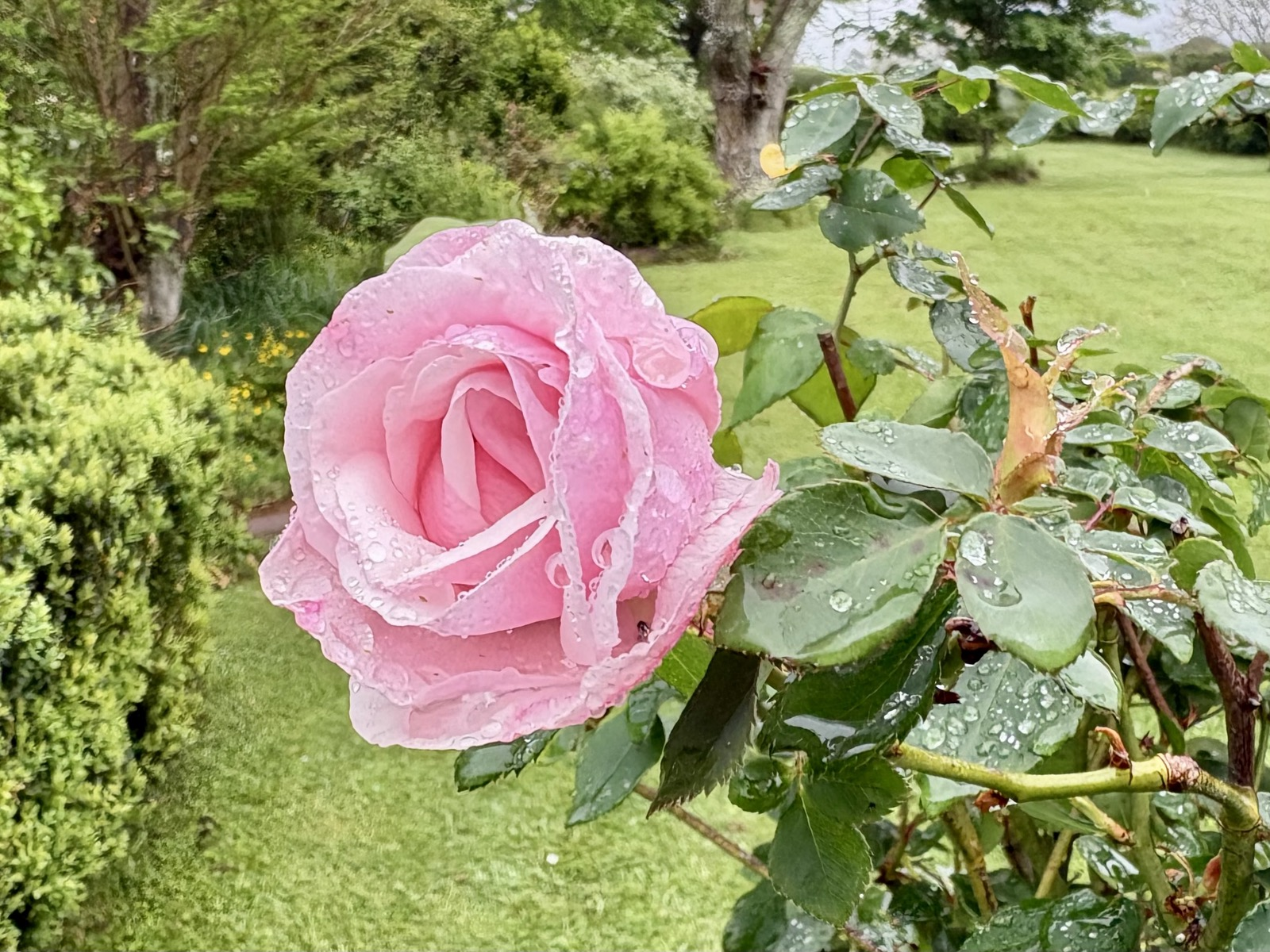
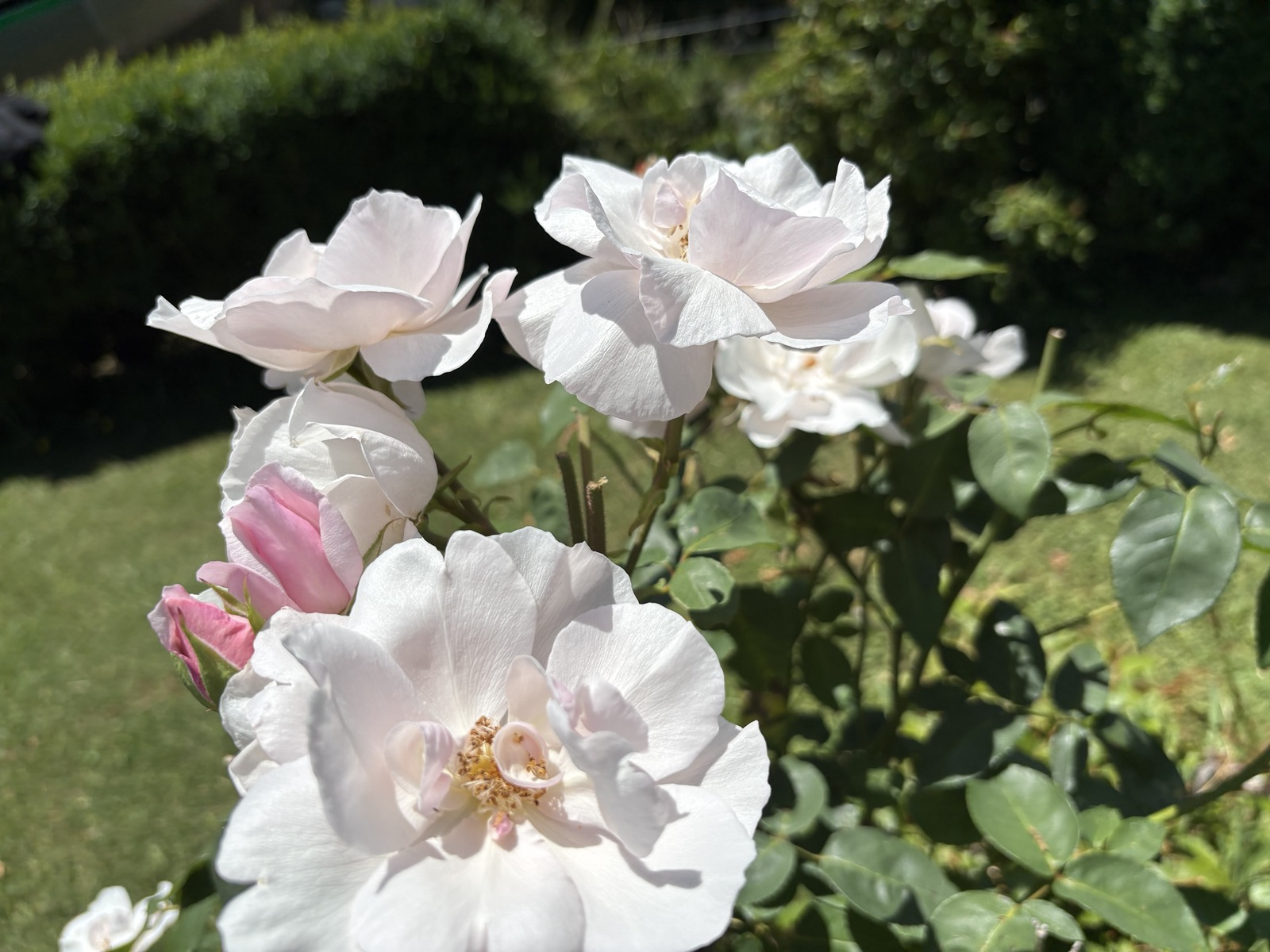
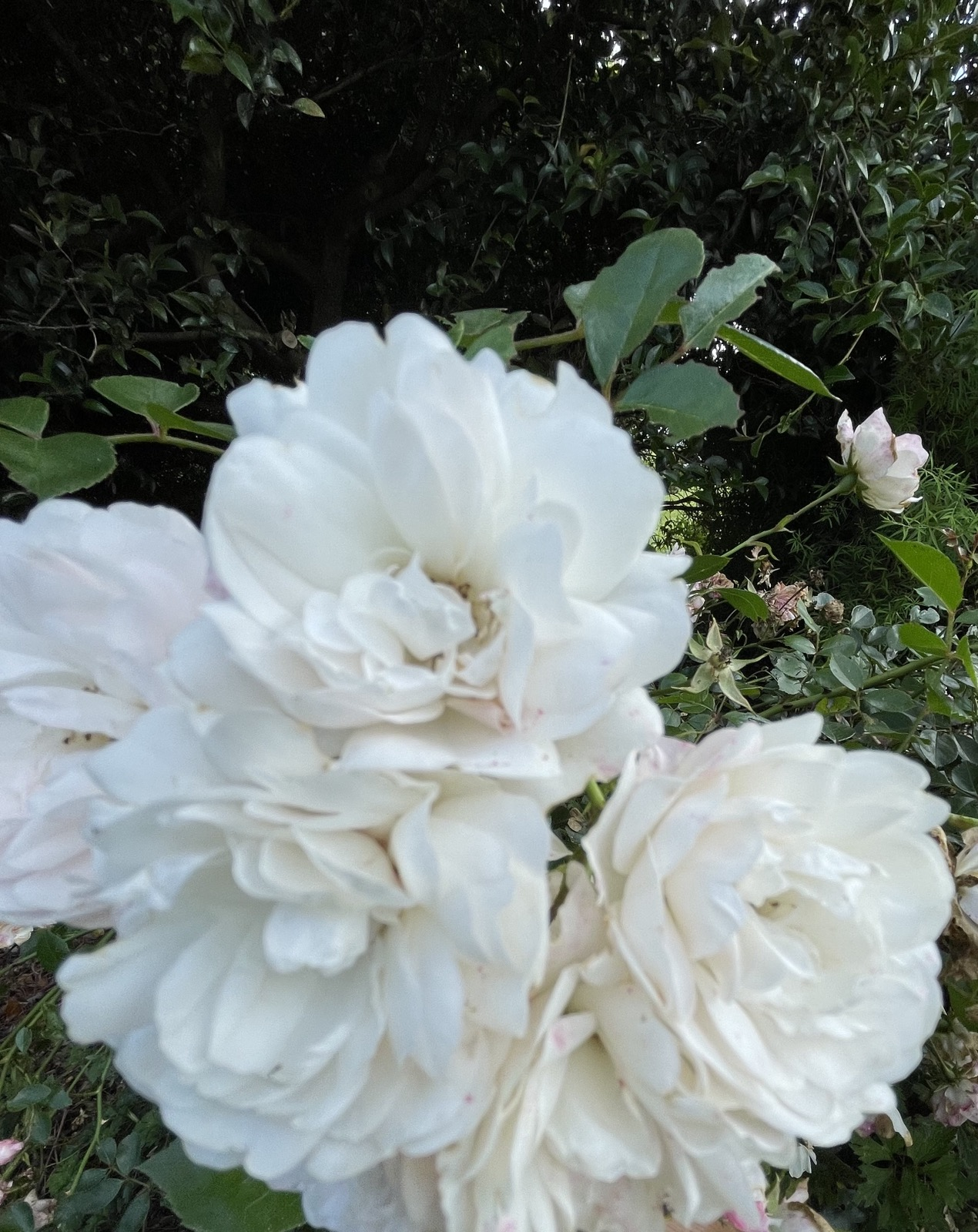
During the gardeners' visit we talked about flowers that are attractive to bees and help keep a colony healthy. And strategies that are needed to monitor and control disease. Rosemary is a favourite plant because it flowers most of the year and has natural health properties. Roses and other flowers with high nectar content, eg a prominent stamen are valuable. Marigolds, that are also useful for companion planting with vegetables. Any species of lavender, and alliums...
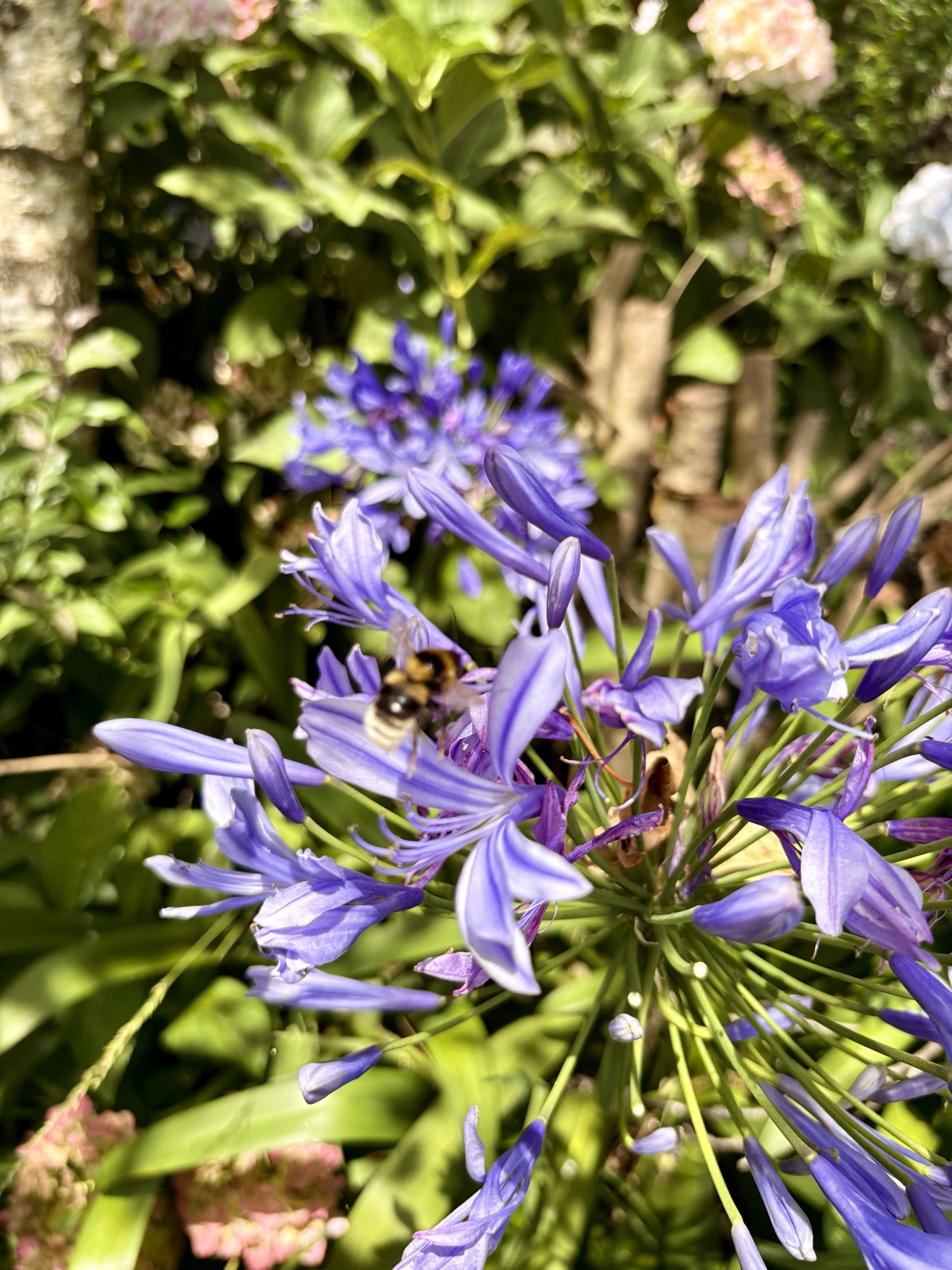
The list of beneficial flowers is long, and includes unexpected things like cabbage-tree blossom and citrus blossom. Key is maintaining a year-long source of nectar for bees. This time of year, when Springtime winds and rain make foraging difficult, it's beneficial to have a variety of flowers near to the hives...
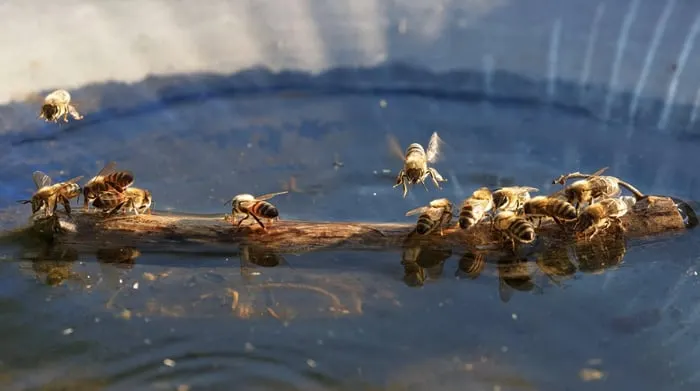
And a supply of clean water is also a good idea - but remember to prevent risks of drowned bees!
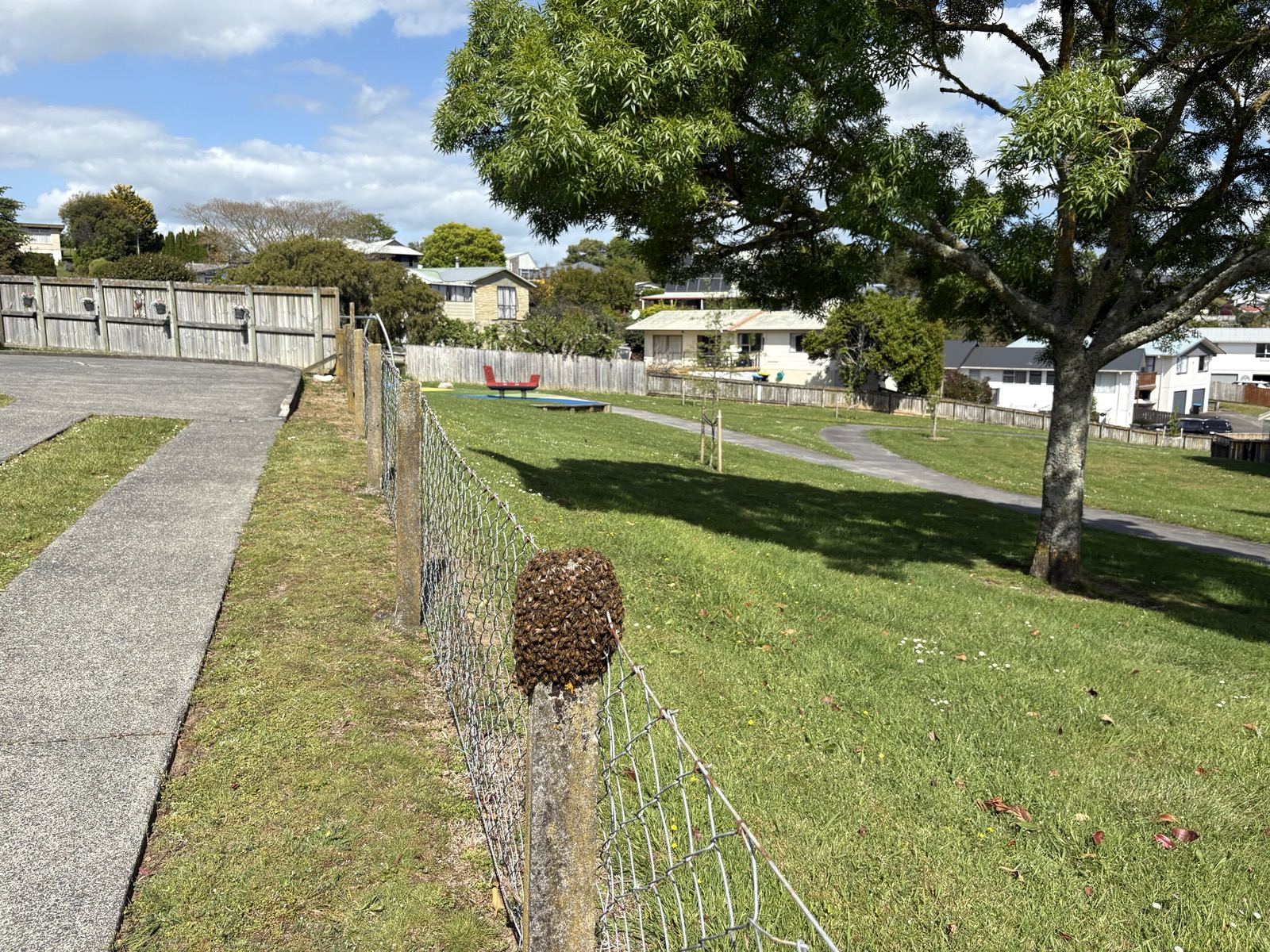
This time of year is also swarm season. And many people are under the illusion that swarms are dangerous or angry. In reality, a swarm is usually relatively calm and a sign of a healthy colony, with an excess food source, looking to enlarge its home with a new queen. Here is a small swarm I collected locally near a kids' playground recently:
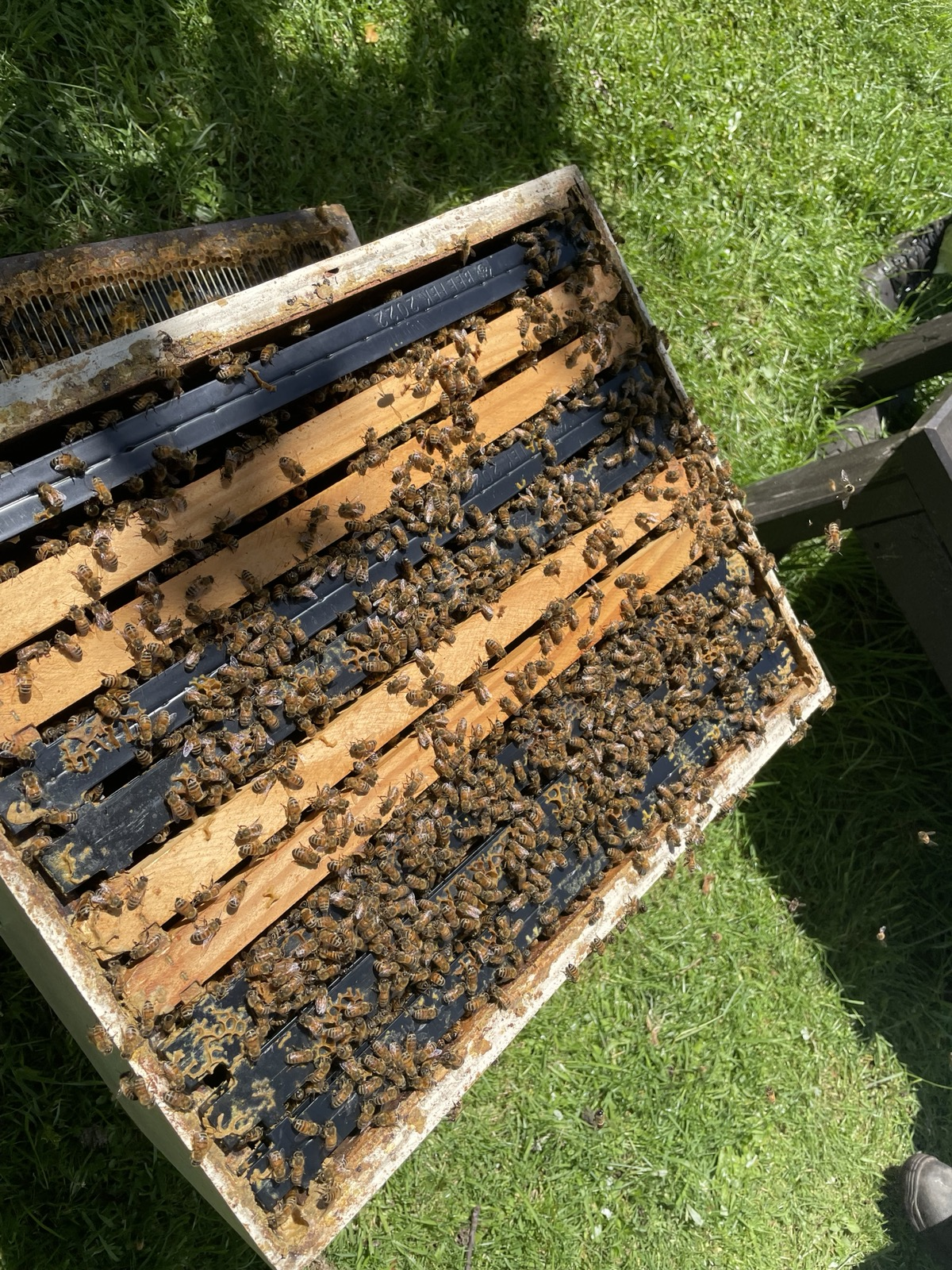
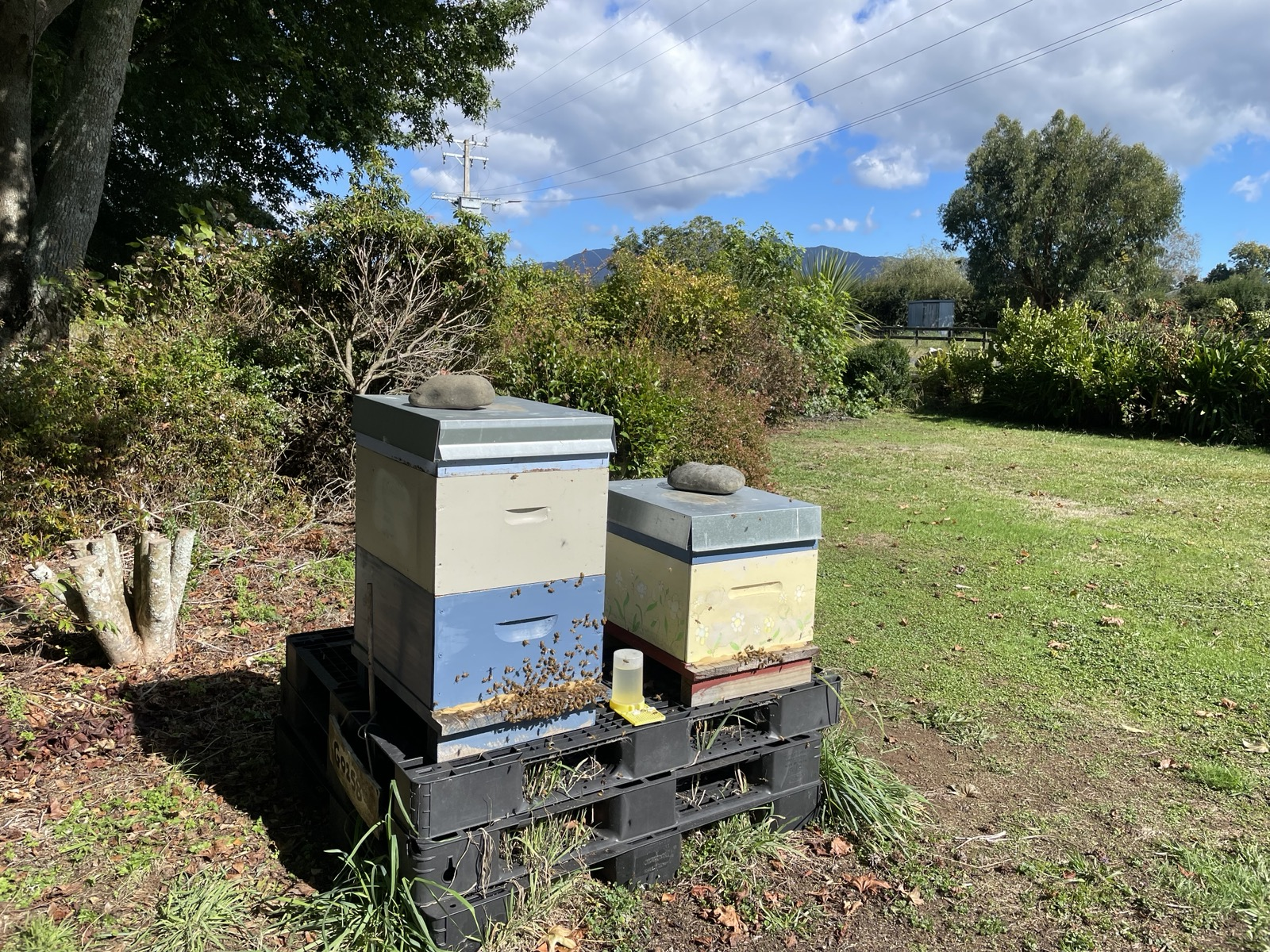
One question I was asked was about where to locate hives. Obviously being away from (even low levels of) electricity, gas or other negative or toxic elements is helpful. When I was relocating my own hives, I obtained the kind help of an expert surveyor, who was able to identify areas with/out harmful EMF sources. He also used dowsing-rods to establish where hidden ley-lines were located. As honey bees naturally create their combs in horizontal strips, there is some evidence to suggest that placing hives at the intersection of ley-lines, provides bees with the valuable, positive energy they need to stay healthy. Like many aspects of ancient apiculture (and health in general), these ideas are often met with ridicule, but I like to keep an open mind. Take a few seconds to listen to the soothing sounds of this Waikato stream to understand why ley-lines could be beneficial...
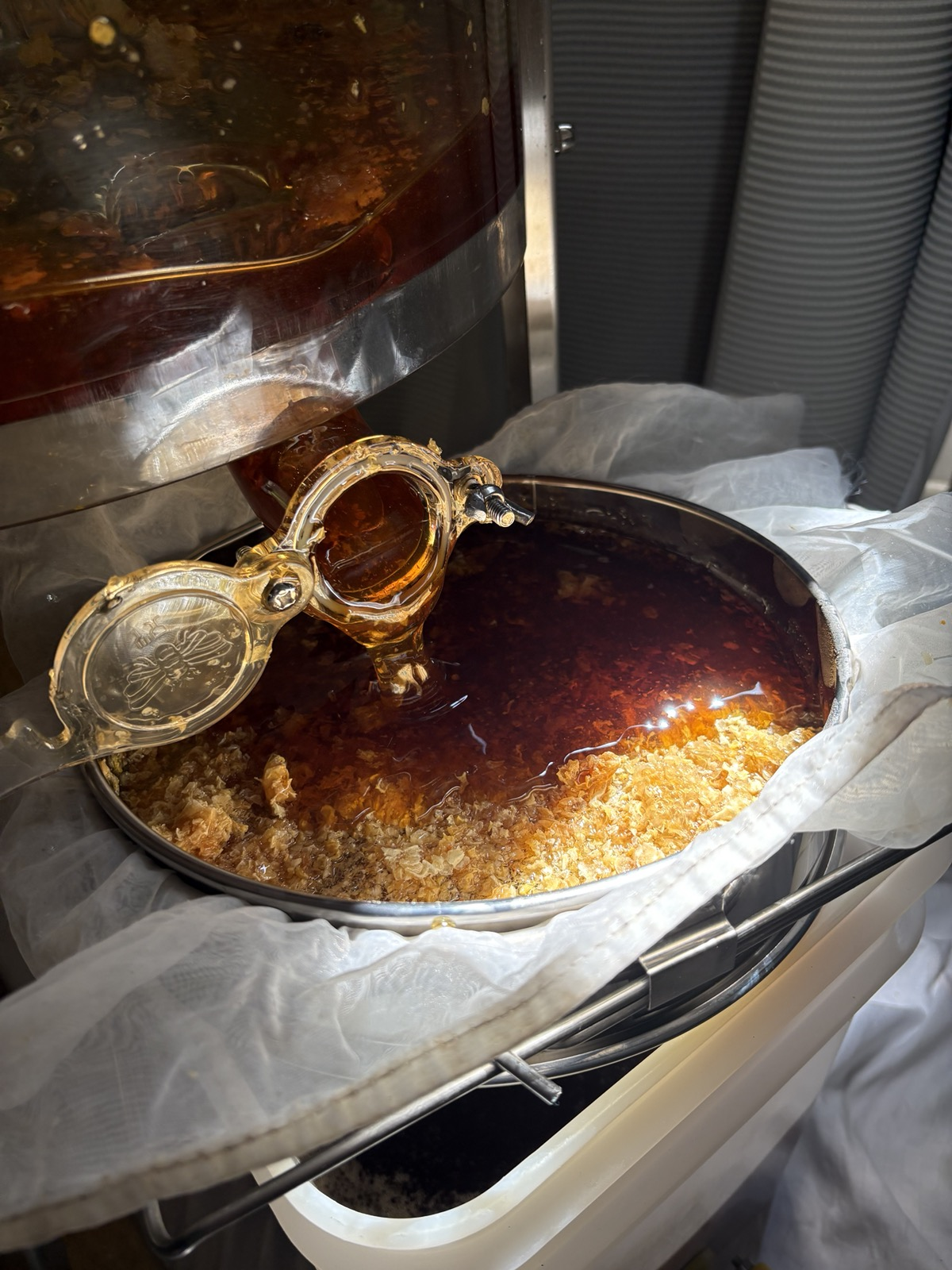
After our meeting, we gathered at a friend's house for refreshments and delicious homemade baking. We chatted for a while, tasting my last season honey and many of us exchanged contact details. There are always opportunities for bartering between gardeners and beekeepers!
After we all dispersed, returning to our busy, individual lives once more, I'm reminded how important these kinds of events are. In Real Life we can reclaim our humanity and make connections which are crucial to overcome whatever life throws at us.
Please do share below any ideas for connecting with nature, and how you stay sane in these crazy times. Thank you for reading and your support. 'Normal' researching service will resume next week!