
Were 'Conchies' unrecognised Freedom Fighters of our past?
I watched Hacksaw Ridge - a short reflection on the true story of Conscientious Objectors in today's context
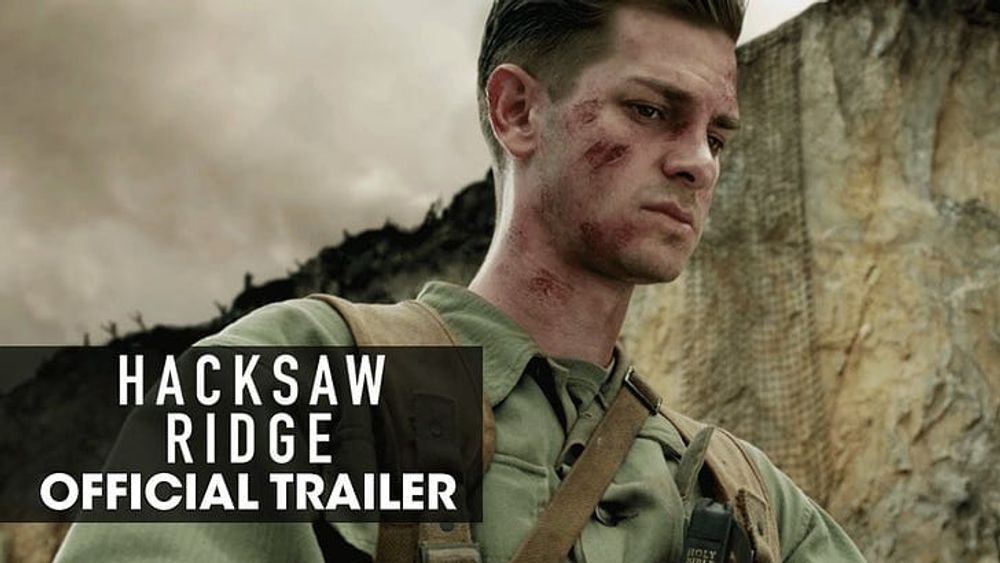
Another Mel Gibson movie Hacksaw Ridge provides some food for thought. It’s the dramatised true story about Desmond Doss, the Conscientious Objector (CO) who was the first unarmed man to be awarded the US Medal of Honor after WW2 .
You can see an old 2 min clip about Doss’s bravery here:
I have some personal family history connected to the Conscientious Objector (CO) movement, but hadn’t until recently thought about the significance of this concept too much. The current situation with the increasing tensions about the Ukraine war have also brought new meaning to the recognition of the COs. For instance, look at the presence of this para currently on the the US Government website, which states:
“All conscientious objectors are required to register with the Selective Service System. A conscientious objector is one who is opposed to serving in the armed forces and/or bearing arms on the grounds of moral or religious principles.
In general, once a man gets a notice that he has been found qualified for military service, he has the opportunity to make a claim for classification as a conscientious objector (CO). A registrant making a claim for conscientious objection is required to appear before his local board to explain his beliefs.
He may provide written documentation or include personal appearances by people he knows who can attest to his claims. His written statement might explain: how he arrived at his beliefs; and the influence his beliefs have had on how he lives his life.”
Doss felt his faith as a Seventh Day Adventist was his priority above any arbitrary Government requirements of armed military service, but he felt the force of ‘duty’ to serve in any way he could (in his case, as a medic). But what about the Conchies who didn’t have a formal ‘faith’ to claim their ‘exemption status’, but simply held an objection to the War, perhaps wanted to expose the accompanying propaganda machine? What happened to them? What stories have been censored from those who chose not to join their country’s Lockstep march?
‘Conchies’ (as COs were called) questioned the perceived narrative, the societal view of what was needed in ‘fighting for justice’. Sound familiar? As Vince Vaughn said about the Gibson movie, this is a story of:
the individual who is so convicted in their principles that they are just not prepared to compromise for what is ethically truthful.
The challenge and testing of those individuals’ beliefs holds the insights for where we are today. Are the Conchies viewed as heroes or cowards now, and what are the methods that uphold those ideas? How will the Freedom Movement be viewed in the years ahead?
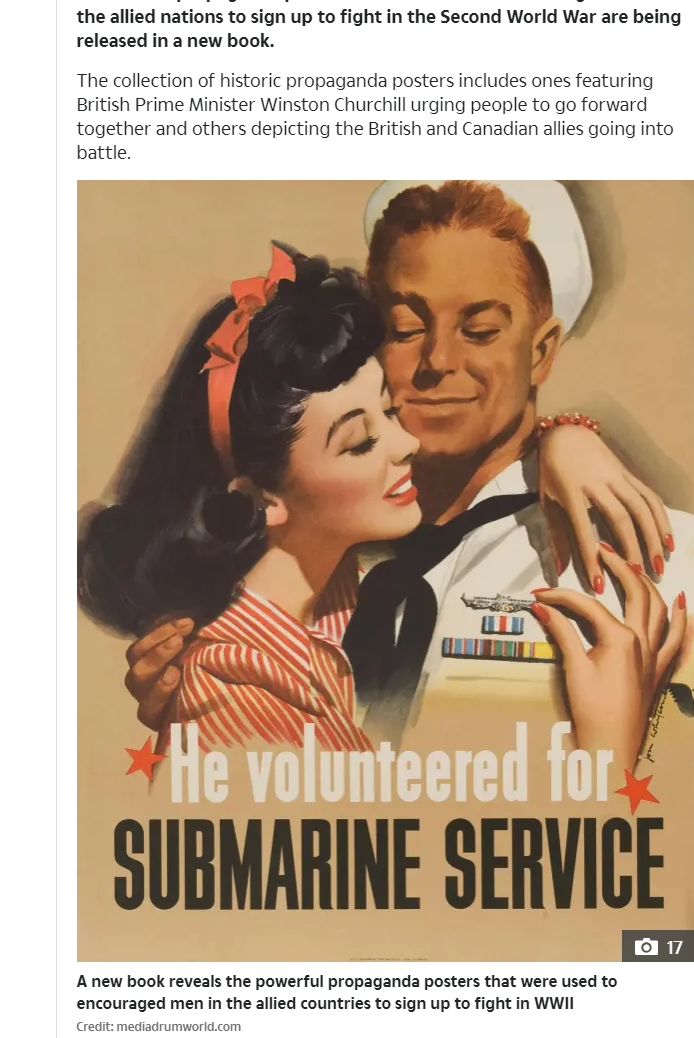
This film cleverly portrays the result of a past mass formation - the propaganda repeated about the ‘brave soldiers’ signing up, and ‘cowards’ who would/could not. Doss’s character even spells out how tragically, some of his fellow male villagers committed suicide when they were declined service due to health issues. They saw themselves as deemed ‘useless eaters’ by society, and inevitably became another death statistic.
Doss himself was subjected to the stigma of being a Conchie - bullied and alienated from his fellow servicemen. But he refused to compromise his faith, seeing the violence and ridicule as a test from God. Do not comply takes on new meaning in this story.
Were the Conchies actually Freedom Fighters from the past, unable to break through the censorship of the corporate playbook? Are there lessons we can learn from these heroes of the past and the strategies they used to overcome the injustice of the Military-Industrial-Complex?