
Reflection: The Lack of a Constitution in New Zealand
I wrote this piece back in March 2021 during my Masters in Legal Studies at the University of Auckland...
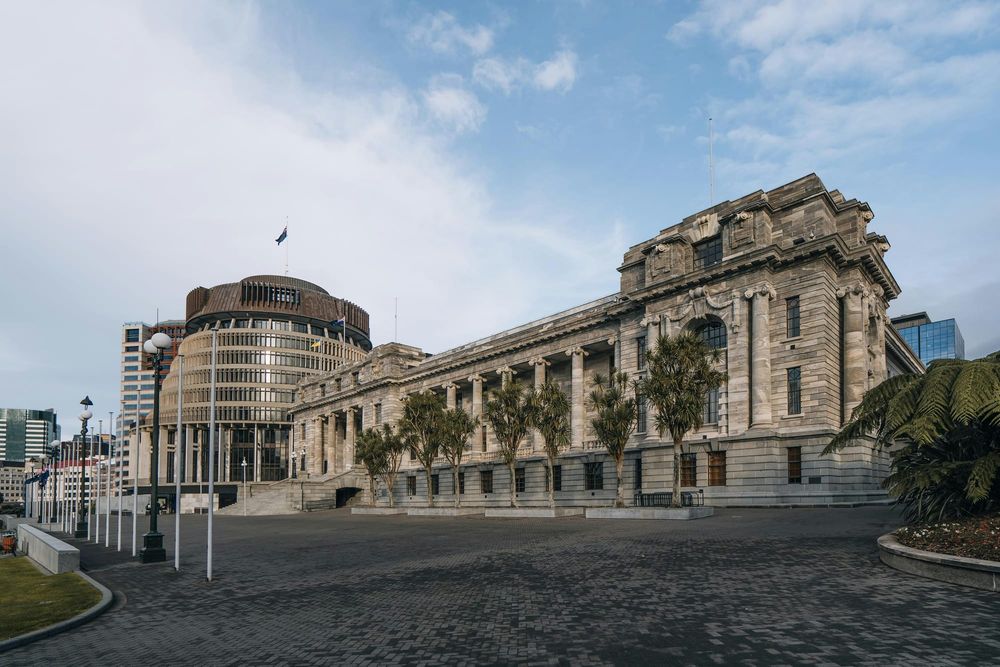
…little did I realise back then, that within TWO MONTHS of submitting this to my lecturer, in May 2021, our own Government would indeed be hijacking and changing our constitution and acting illegally. I’ll link to that at the end, but first:
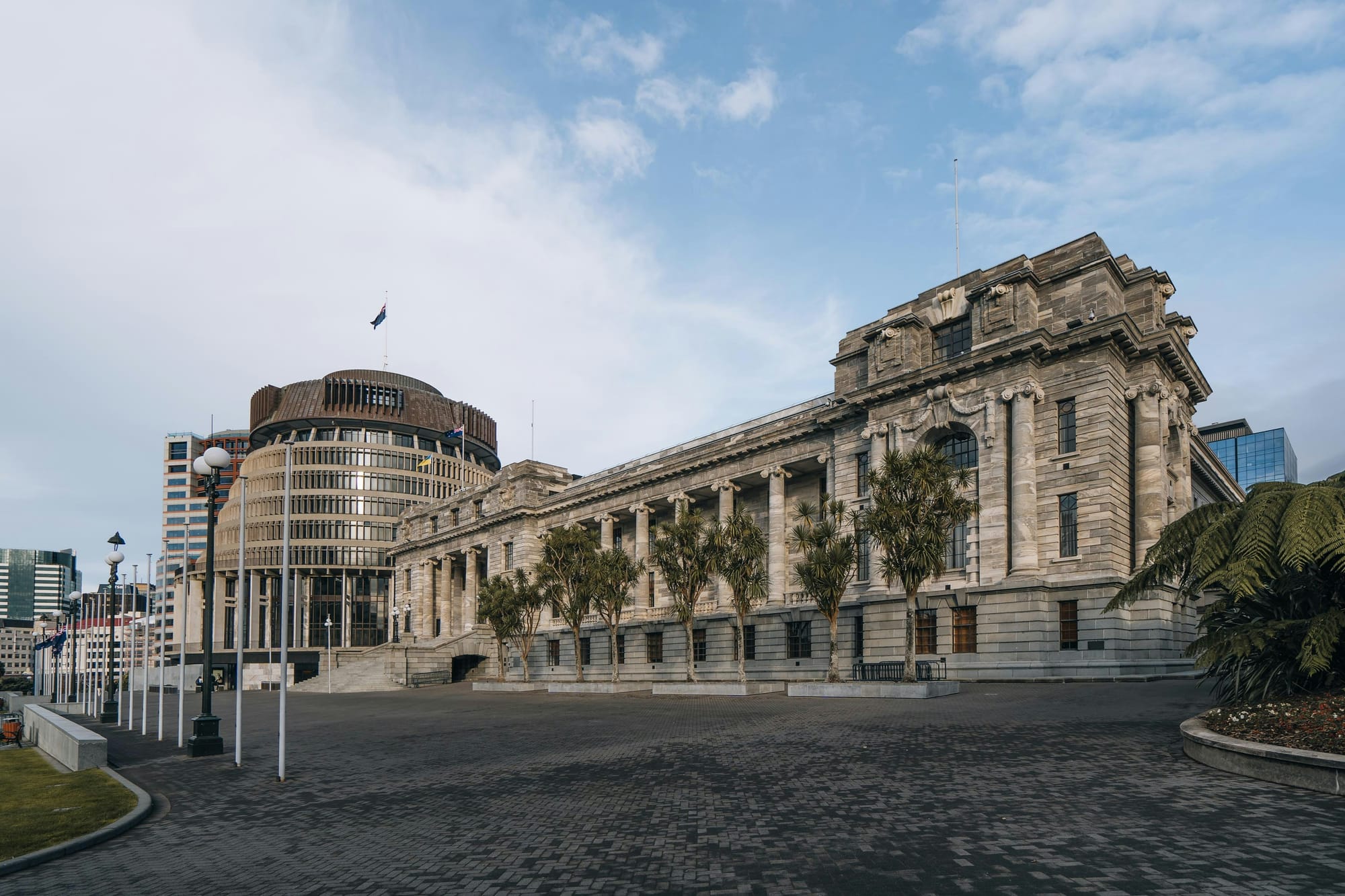
What is a Constitution?
It is often said that New Zealand has an ‘unwritten constitution’. What does it mean to have an unwritten constitution, and is having one a serious problem for New Zealand, that needs to be resolved?
A constitution is the set of fundamental laws of a society, including the connections and relationships between and within the legislation, the authorities and its citizens.
In a societal hierarchy, a constitution is dominant within, and central to, a legal system. In this way, the constitution serves to regulate the use of public power. There are four main factors that help define what a constitution is:
- Fundamental: a constitution is an intrinsic part of our democracy in New Zealand, in that it represents and incorporates the rule of laws, Human Rights and the Waitangi Treaty Act.
- Supremacy: a constitution establishes a social hierarchy in that it authoritatively creates and enforces the laws, in consistent ways.
- Entrenchment: the laws associated with an established constitution are not easily changed, for instance, the processes of any change or re-interpretation involve a judge and/or Parliament.
- Enforceable: The rules of the constitution mean that they are legally and realistically enforceable and that there are consequences in terms of accountability, as a result of anyone acting unconstitutionally.
A theory of constitutionalism is based on the strength of a text that articulates a set of substantive values that encompasses the above four factors.
What does an ‘unwritten constitution’ mean?
Most countries have a single written constitutional document, the oldest being the USA (1787). However, some countries (e.g. the UK and New Zealand) do not have a single written document, and instead have a collection of an assortment of customs and laws, from multiple different sources.(1)
Arguably, a written constitution provides measurable, codified set of formal standards that can be legally enforceable laws. If not written-down as a single text, a constitution is not ‘created’ but more likely evolved through social practice, contexts and over time.
It is argued that an unwritten constitution lacks legitimacy, as it does not have a credible authoritative source, and therefore may be viewed by some as not carrying the same authenticity and validity as a written constitution. An unwritten constitution is also more likely to be subjected to different types of interpretations, with reinterpretations over time, and be subjected to multiple contexts, which could restrict or widen the implications of the constitution.
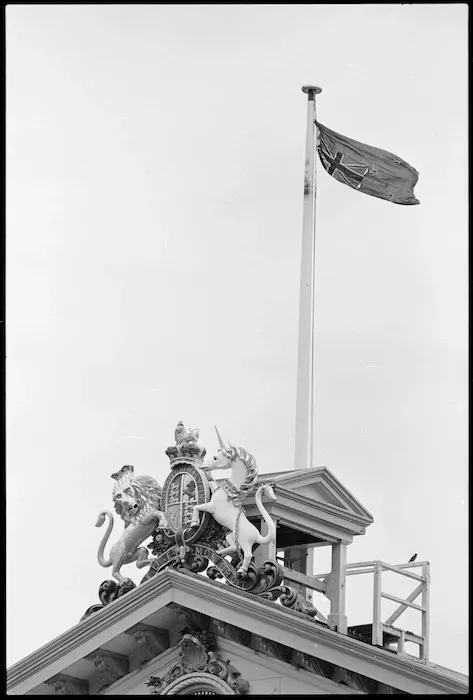
Why is having an unwritten constitution problematic for New Zealand?
One advantage of a written constitution is that it presents a unique framework that is unambiguous and unique for each country or state: it is openly available as a single source of reliable information for those seeking any kind of direction or advice on the laws of that country. A written constitution could therefore be especially valuable for a relatively geographically isolated country like New Zealand, which has a growing percentage of skilled migrants.
Hence, the argument that Aotearoa New Zealand should adopt a written constitution is well-established.(2)
It is claimed, for instance, that citizen’s rights may be at risk, when the content and values within the constitution are largely unknown by the average member of the public, and even become eroded over time.
If the four factors of a constitution (listed above) are interpreted as being unclear or ambiguous, Parliamentary sovereignty may mean that the constitution could change, without due consultation and process. This could be risky for society in terms of excessive executive power. This is especially the case for New Zealand, as there are no additional tiers of hierarchy of Members in Parliament, which in others states acts to slow down the processes, adding time for due diligence and arguably adding a depth of engagement, when changing legislation.
It is also argued that a single, written constitutional document would encourage participation in education programmes of citizenship, and improve public engagement in society more widely, by providing transparent Government and legal processes.
However, it is not necessarily wholly disadvantageous for a society to have an unwritten constitution. Theoretically, the four factors mentioned above, can be argued to still apply to an unwritten constitution, but in a more innate or symbolic manner. This is because common law is itself a law construct and can be revisited as necessary. The flexibility of an unwritten constitution in supporting the development of laws that could be viewed as outdated, could be beneficial. The enactment (rather than awareness) of the principles of a constitution through its citizens is the foundation of a democracy. In this way, even without supremacy, a constitution can still be issued with authority and be legally binding with stability, without formal entrenchment.
In summary, there are pros and cons to the idea that Aotearoa New Zealand should adopt a written constitution. Although the case for is set out clearly by Palmer and Butler, it is unclear to what extent any benefits this fundamental change would mean to citizens in the short or long term.
************************************************
Post Script
Well now we all know what the risks are, being without a written constitution: the Government overreach during the covid era was very obvious. The MPs behaved ‘unconstitutionally’ and where is the accountability?
But did countries with a written constitution fair any better? I’m still waiting for the open, legal discussions regarding that question to emerge…but meanwhile, the evidence of NZ Government’s illegal actions during covid is mounting:
 Ursula Edgington, PhD
References
Palmer, Geoffrey, and Andrew Butler. A Constitution for Aotearoa New Zealand. Wellington New Zealand: Victoria University Press, 2017.
Joseph, Philip. Constitutional and Administrative Law in New Zealand. 3rd ed. Wellington New Zealand: Brookers, 2007
Big Love to all those who have recently Bought me Coffees! Your support is much appreciated! Thank you!
Thanks for reading Informed Heart! This post is public so feel free to share it.