
Homelessness: Another Dark Secret in NZ
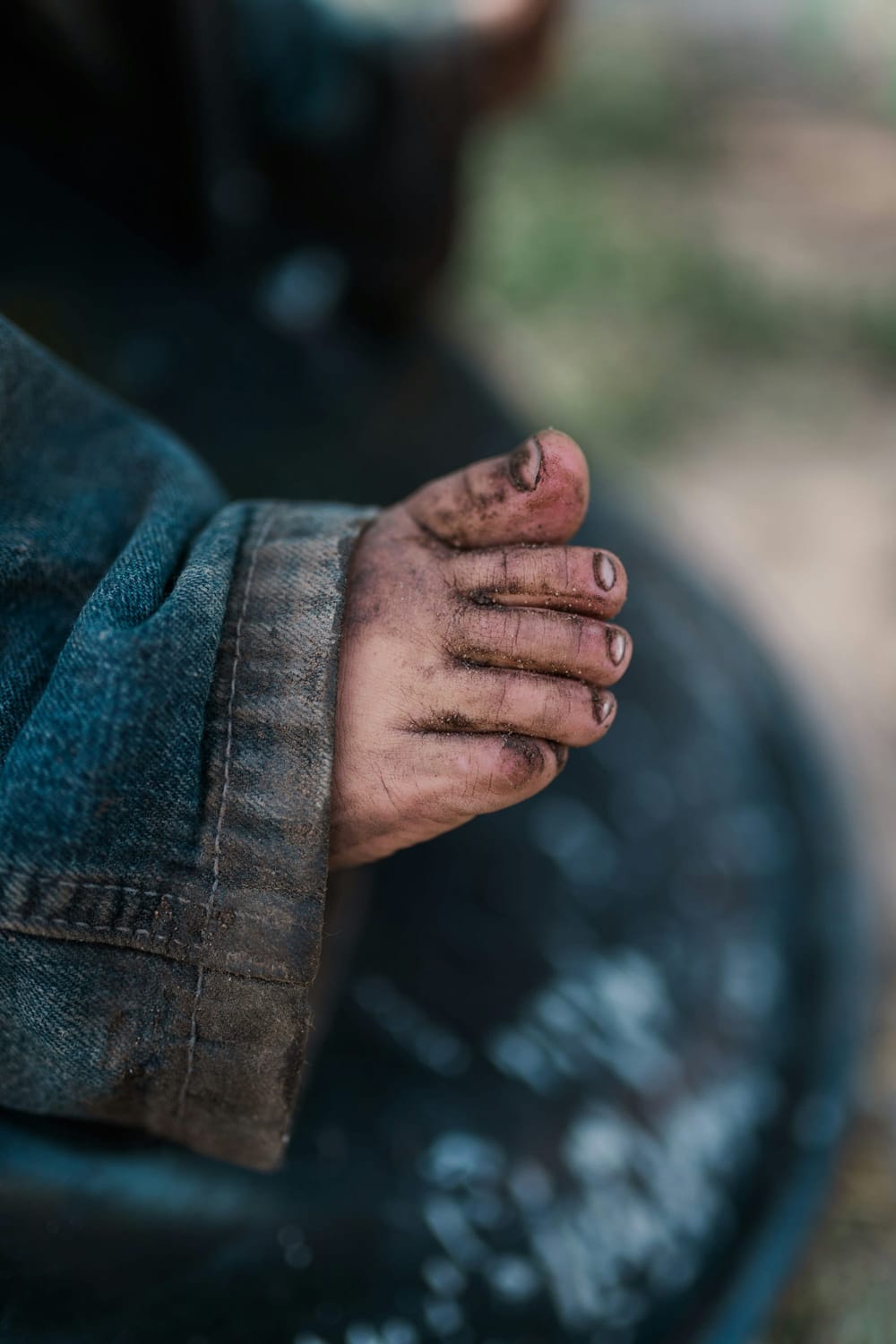
There's been a dramatic change in New Zealand since the covid era. Another uncomfortable truth that most are unwilling to discuss: homelessness. In this article, I describe my perspective of the homelessness problem, and draw on three case studies from local individuals I've spoken with recently who are without a home. The situation will only get worse in the coming months and years ahead. Could local communities do more to help?
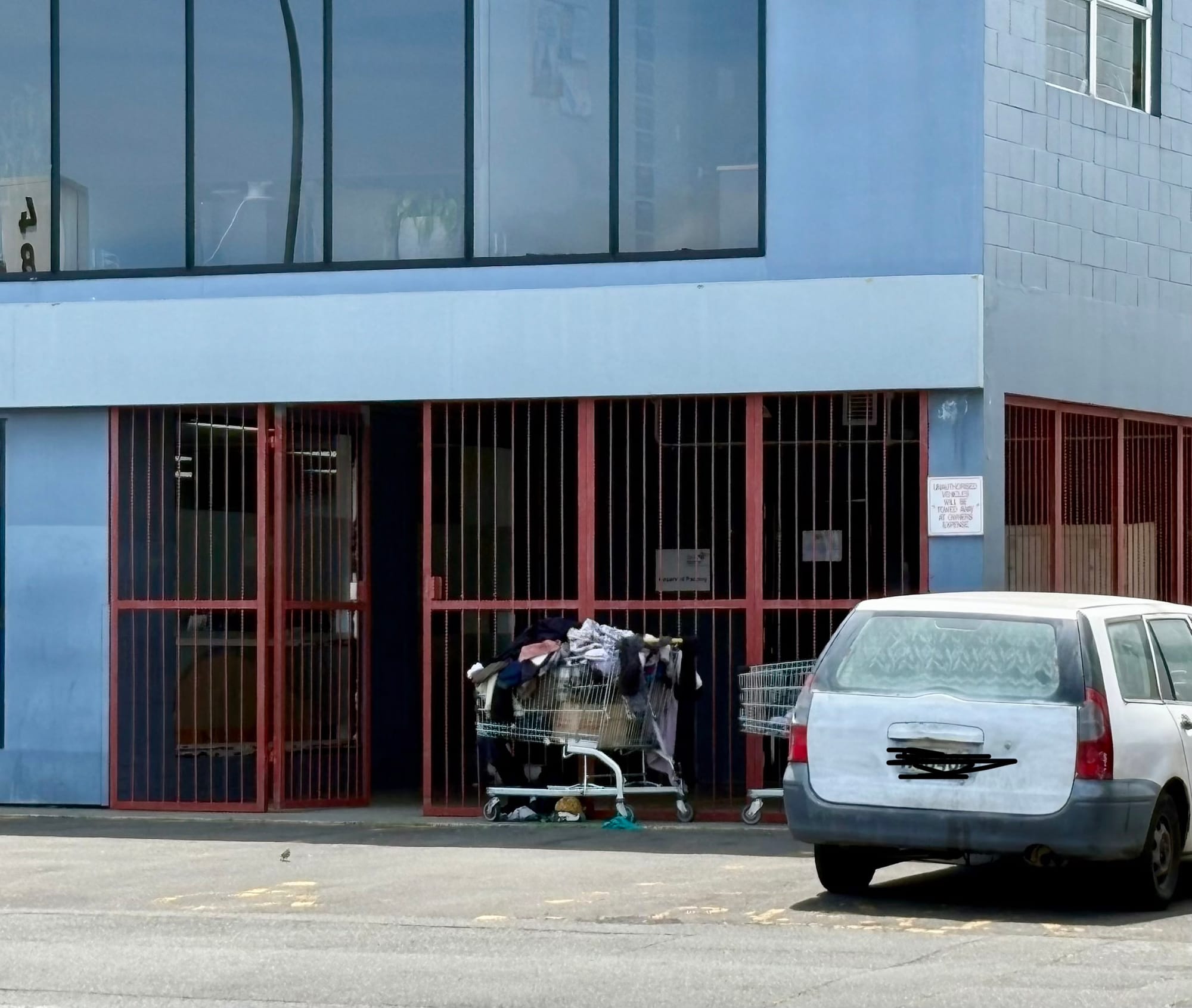
There's been an obvious increase in homelessness in NZ over recent years. Here's what I have observed:
People are regularly sleeping in their cars in the local laybys. There's a public toilet and a rubbish-bin near by. Across the road a cafe is conveniently open from 5.30am (if coffees are too expensive, a generous tourist may buy one for you).
Many shops are now closed, their doorways are covered with cardboard and blankets, alleyways between shops that were previously clean, are now covered with graffiti and stink of urine.
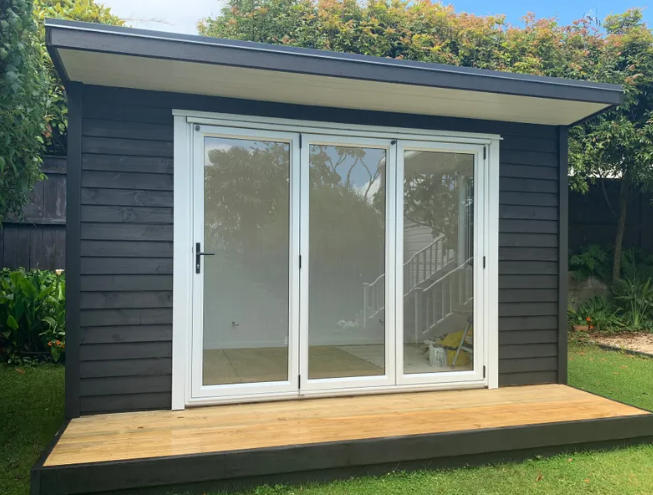
Houses with sections large enough, now often have one or more 'sleep outs' or 'cabins' sited on them. Additional [external] units/bedrooms of a certain size no longer need council approval. Friends and family in need of temporary accommodation could offer helpful income for already high (and increasing) council rates and costs of living.
More people are living full-time in a camper, house-bus or caravan and regularly travel around the area, advertising/seeking a semi-permanent piece of land that has affordable rent.
Those without a home, vehicle or access to a friend or family-members' couch or sleep-out are on the streets, constantly looking for somewhere safe to stay. Hostels in NZ are few and often over-subscribed: public transport between the hostels is limited.
On 'World Homeless Day' a few months ago, NGOs focused on helping the homeless aimed to shed light on the issue in NZ. But there's a problem. Although the 'official' statistics claim that more than 2% of New Zealanders are without a home, the real figures are obviously much higher than that, but no research is undertaken into the evidence, so data is literally unknown. How convenient. There are varying definitions of homelessness, and no set ways that homelessness is measured - even by councils which are faced with trying to find solutions for local homelessness. Data quoted by Government, as well as being methodologically flawed, is often out of date, for instance, Stats NZ figures show:
"[In 2023] ...more than 112,000 people are [...] severely housing deprived across New Zealand. [and]
Business owners in Auckland, recently claim to have seen a 53% increase in rough sleeping. But how this data was collected is unclear.
Our current Uniparty Government has evaded the issue of homelessness, claiming to have addressed the complaints from business-owners in city centres by proposing to issue 'Move Along Orders'. But advocate groups for the homeless explain that stricter rules on access to emergency housing is just "kicking the can down the street (again)." The reality is, homelessness in NZ is a genuine problem and is visible in all urban (and rural) areas.
In the clip below, Bianca Johanson of Manaaki Rangatahi - a homeless charity focused on practical solutions - explains the appalling situation for homeless children and youth in NZ (20m):
Homelessness in Central North Island
In our local town, a church became a popular place for homeless people to gather. The porch area was always open and offered some shelter from the harsh sun and subtropical rainstorms. The vicar seemed genuinely interested in their welfare, and generously offered assistance with food and drink, blankets and advice on where to go for welfare support. One option could be this inspiring Christian Night Shelter in Hamilton.
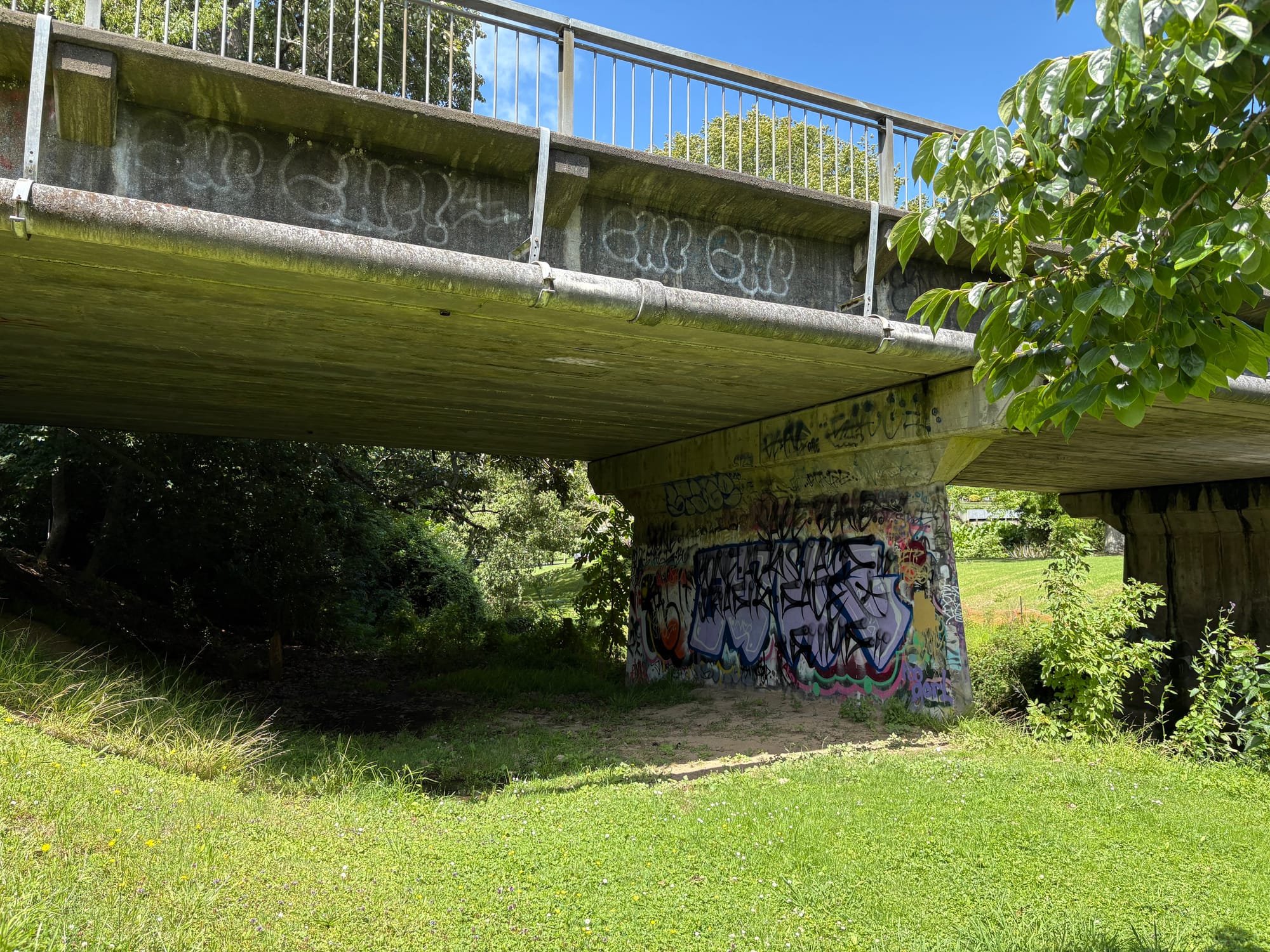
But inevitably, over time, too many people gathered there. Many had severe health problems, drug and alcohol addictions and violent behaviours. Thefts occurred and churchgoers were worried. Eventually the police were called and after the group dispersed, trespass notices were enforced. Afterwards more improvised shelters were seen around the town, some underneath this bridge:
In rural towns, there are no services for those who are in need. Hamilton is the nearest city and travelling to and seeking help there comes with its own challenges, especially for vulnerable people. Who are these people, what are their stories? [I've changed the names for Hannah, Dennis and Hemi, and left out some details to protect their identities]:
Hannah
Hannah looks to be in her 40's (although she's probably younger). She's thin and gaunt and wears glasses that have a broken lens, and no shoes or socks. She's sitting cross-legged on a cushion outside one of the supermarkets, she holds a well-worn bible tightly; it's full of book-marks and hand-written notes. In front of her is an old ice-cream tub with a few coins in from passers-by.
I gave her a pair of warm socks and ask her about her life. Can she get access to the emergency shelter or women's refuge (both an hour-long bus ride away)? She tells me she has been diagnosed with cancer, hasn't been well. She's been unable to get to a doctor in a while. She fell out with her family and admits to some mental health problems. She smiles widely at the generosity of the public, many of her teeth are missing. "I'll be OK" she says confidently: "God will take care of me." My heart breaks.
Dennis
Dennis is a mature guy, maybe 60? Slightly grey with a long beard. he wears a hi-vis top as if he's ready for work as a labourer. He looks anxiously around as I hand him a coffee. Apparently he's waiting to hear from a friend whether his 'stuff' has been recovered. Last night he slept rough and one of the strangers turned out to be untrustworthy. He explains how he stole his bag with all his belongings in it, including his (new) sleeping bag and tins of food. As we wait for news, he tells me this isn't the first time he's been a victim of theft, it's an ongoing fear when committing to sleep anywhere - even in the hostels.
He's not 'one of them' he insists (he means a drug-addict). Dennis' wife died unexpectedly of a heart-attack three years ago, and as she was the main income earner, he couldn't afford the payments on his house. Debts piled-up. He had to sell the car to survive. None of his family could help him for more than a few weeks, so he was forced to sleep rough. Dennis really doesn't know where to turn because he can't get a job without a home, and has no money to start again. He misses his wife immensely and shows me a photo of her he keeps in an inside pocket. Her attractive, smiling face is a stark contrast to Dennis' deep sorrow.
Hemi
My final, third story comes from an older lady pushing an overloaded supermarket trolley in the town's main carpark. Hemi approaches me rather than the other way around - maybe she senses my curiosity? Predictably, she politely asks me to spare a 'gold coin', and I offer her some crackers and fruit instead. She takes them with sincere gratitude, closing her dark eyes she whispers a Māori prayer before secreting the gifts away in her plastic trolley-bags.
She must be in her 70's? She seems a large lady at first glance, before I realise she has several layers of clothing on, despite our hot, humid weather. She waves and shouts out to someone across the carpark, murmuring something about getting a lift to the other side of town. I get talking to her while she waits - "there's a lot of time to be wasted when you're homeless", she laughs. 'Does she have somewhere to go tonight?' I ask her, gently. "Oh yes, plenty of options" she claims with a stutter "...it's just that sometimes I can't decide!" Her sense of humour is her coping strategy and with encouragement, she tells me a bit about herself. Whilst she was in hospital recently, her home was sold by the landlord. The tenancy was an unofficial agreement between them. A breakdown in communication meant the rent wasn't paid, her ACC payments ended and now she has nowhere to go. I have a son in Melbourne, she tells me. Can he help you somehow? I ask. Hemi is silent.
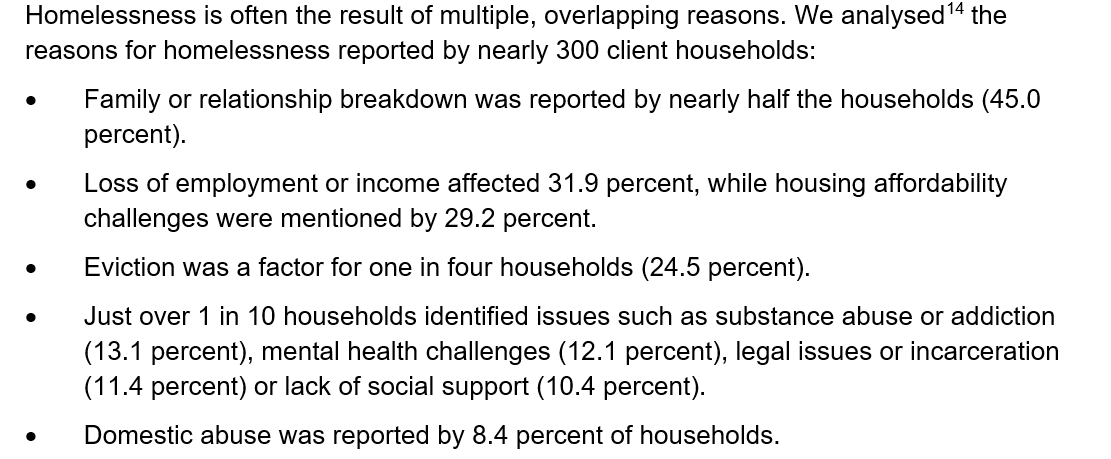
These individual stories are reflected in the (sparse, low quality) research into homelessness in NZ, for example, here only 300 people were surveyed:
Ideas and Solutions?
Homelessness is an international problem. Many of my subscribers are outside New Zealand and I know the marketing is intense alongside the 'Clean, Green, 100% Pure' New Zealand PR image. The reality of NZ (as I've explained in articles about other topics, like the the corrupt Dept of Conservation aerial poisoning our environment) is very distant from those colourful, promotional images of 'paradise'. But what can be done, on a practical level about homelessness in our country? How can these vulnerable people, the majority of whom (you may disagree) genuinely want to help themselves to climb out of a terrible situation - be helped?
The covid era has caused tremendous harm to so many Kiwis, and those experiences taught us how we simply cannot trust our governments: agendas are forced through by unfair and unethical policies. Commercial profits are always placed above the needs of the people, and sadly, that means homelessness will inevitably get worse.
As Bianca Johanson of Manaaki Rangatahi explained in the above interview, the priority needs to be establishing the size of the homeless problem (especially for young people), before we can work out how to tackle it. Comprehensive, independent research is urgently required, across NZ. An easy start would be a universal definition and require all councils to immediately begin to report each incident or communication involving the issue of homelessness in their area. This would allow an accurate, regional picture to be drawn up over a relatively short time. (NB I asked my council for a comment on this article, no response).
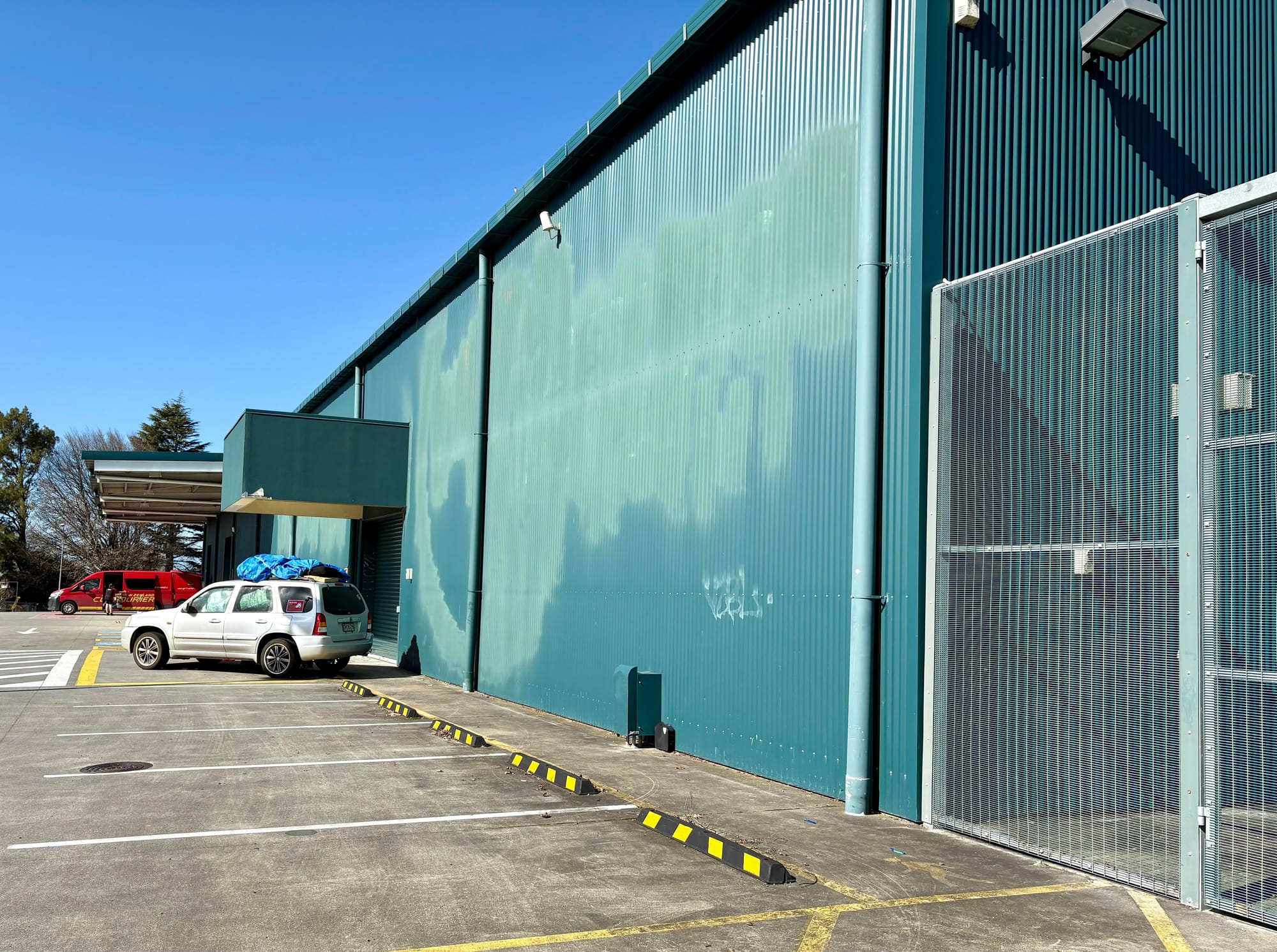
Could our new freedom-fighting parallel communities grow a ground-up approach to local problems experienced by homeless people like Hannah, Dennis and Hemi (their names have been changed)? In my opinion, local resources for healthcare needs to be at the foundation of that service. Our NZ People's Health Alliance regional hubs already do wonderful work - could they be supported to play a part in that service, alongside other projects like community gardens and mental health counselling? And what about all those increasing numbers of large commercial buildings (see image above), empty... could these be repurposed as centres of authentic, free support? Ironically, some of them are owned by us, the ratepayers!
Do you have experiences of NZ's homelessness to share? Do comment below. Thanks for your support.