
BigPharma: how it plays both sides
Creating the 'alternative' market of 'natural' health supplements was BigPharma's 'wet dream' said Robin "The Medicine Girl" Stebbins, on a recent DocMalik interview. Whilst I don't agree with everything she said, she did make some very important points, including explaining that statement (at 23 mins):
Natural remedy, or chemical pharmaceutical?
BigPharma do indeed 'play both sides' of the market. Their propaganda is powerful and their funds, never-ending.
Q: How can we learn whether something is authentically natural or a nasty synthetic?
I've been looking into some of these ‘herbal remedies’ and want to share some surprising findings.
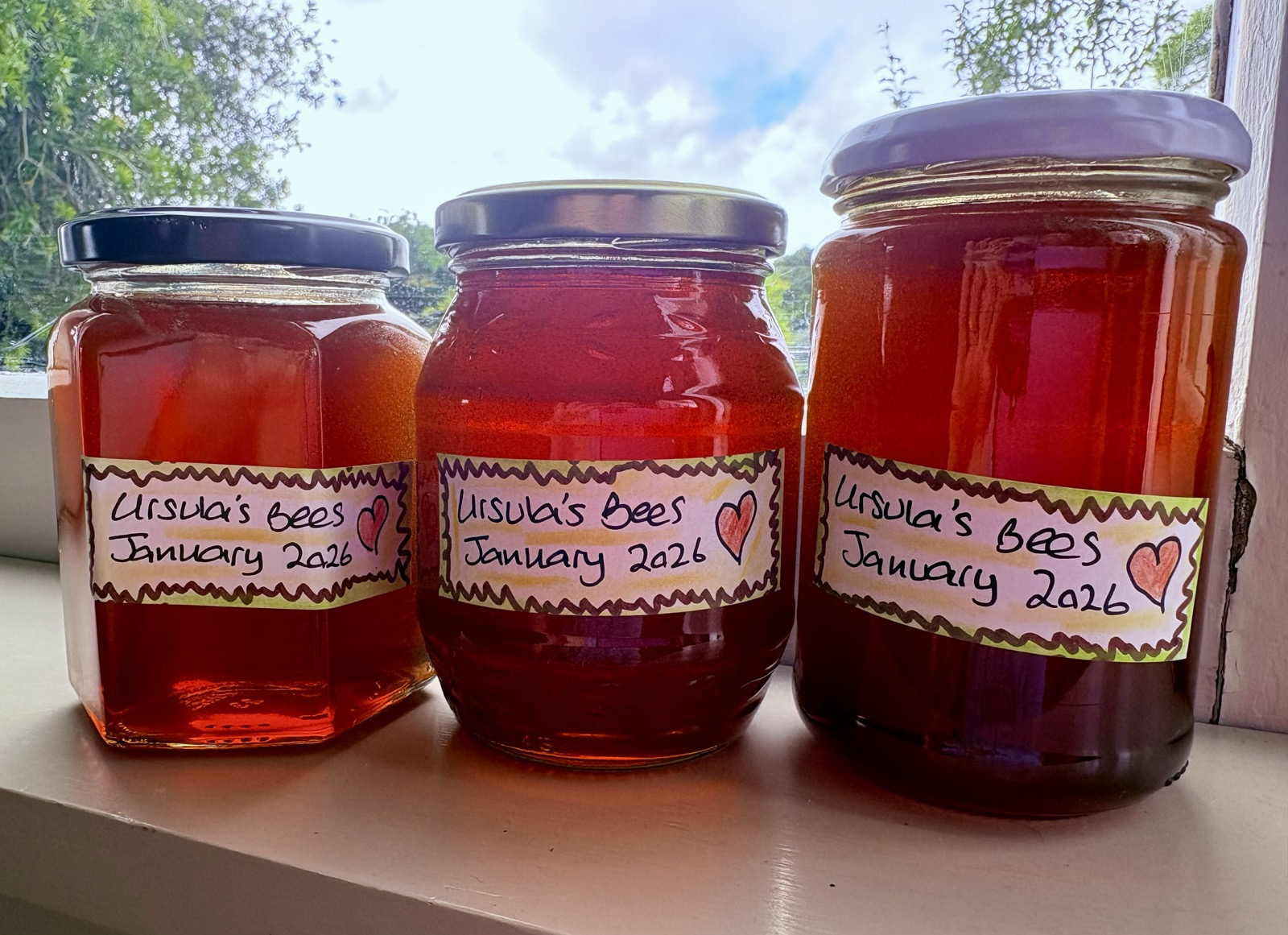
This morning at dawn, single digits showed on the outside thermometer: Brrrrrrr.....Autumn has arrived in New Zealand. So, my thoughts turn to harvesting, seed collecting, tidying-up and preparing for those colder months ahead. Some seasonal jobs are enjoyable - like extracting honey, rendering-down beeswax, drying special herbs and making oils and balms.
One of my favourite covid-era prepping-acquisitions is my small de-hydrator. It's particularly useful for G&T lemon slices ;) I can put it on overnight and it purrs away quietly, drying out things that previously would have taken weeks. This way, there's no chance of spiders making their home in my bunches of lavender flowers or rosemary leaves. Yes, it takes a little time (& trial and error) to make authentic, herbal preparations. And sadly, they don’t have a long shelf-life. But these tasks are rewarding so the effort is worthwhile. The end result is sought-after, proudly 100% homemade and free from any chemicals.
But I understand, it can be tempting when inside any pharmacy or ‘health food shop’ to buy those inferior, commercially-made products that also claim to be ‘natural’ or ‘herbal’. They may even be packaged to appear 'natural'. But how authentic are these balms, oils, capsules and drops? What is actually in them, and what testing has been carried out on these products? More importantly, who is marketing and profiting from them? I'll give you a clue...
Let’s look at a random case-study of so-called ‘natural remedies’ made by a company in China. SynthAsia China (the clue is in the name) is based in Shanghai with subsidiaries in Beijing and Guangzhou. Typical of this kind of website, fake stock images are used throughout, together with AI-generated English text. It states:
Our current product portfolio covers cranial and peripheral circulation, intravenous therapy, central nervous system, gynecological endocrinology, respiratory as well as a variety of other therapeutic areas.
Sounds a bit creepy TBH – how is ‘cranial (head) circulation’ interfered with? What kinds of products are used in an ‘intravenous (IV) therapy’? And ‘gynaecological endocrinology’ is another phrase for women’s hormone disruptors, is it not? This doesn’t sound very ‘natural’ to me!
- Under their listed ‘Healthcare products’, we can see three trademarked named items: Ginaton (x 3 types, injection, tablets and drops), Venostan Retard S (tablets) and Neurex (tablets):
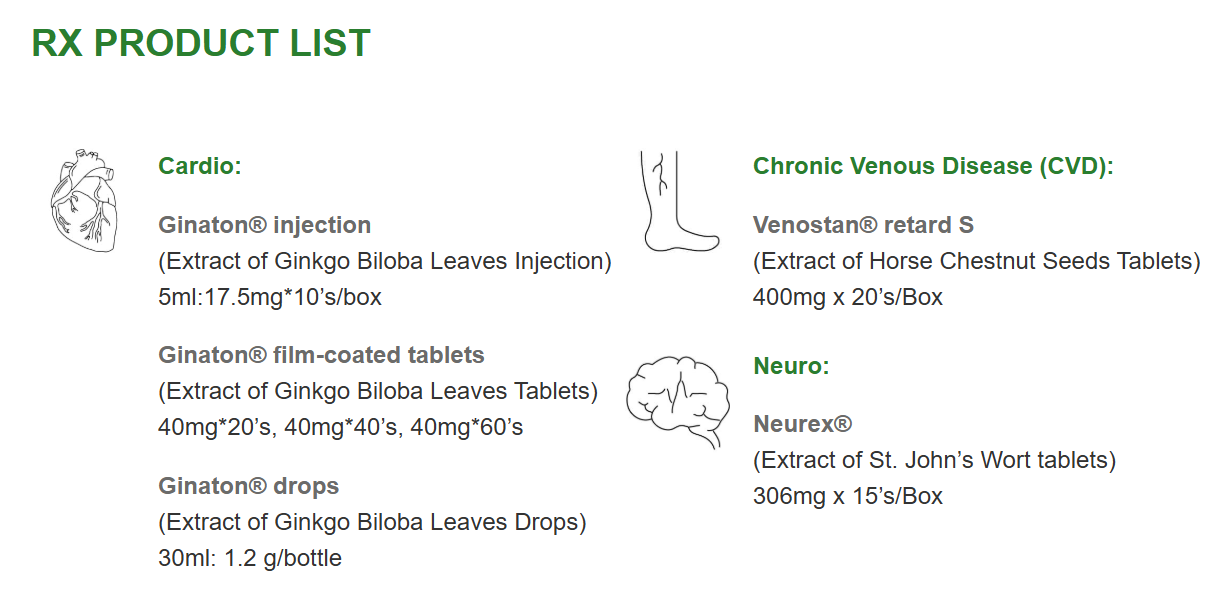
Investigating the first 'cardio' product - Ginaton – it’s claimed the contents of Ginkgo Biloba leaves have a long history of therapeutic properties – which maybe they do. But isn’t it a bit extreme applying it through a syringe? Eeek! What evidence exists of these being used safely in an injection? I managed to find this experiment with rats in 2008 but couldn’t find any convincing data for use in humans. Nor could I find any retailers for this Ginaton product, but I did find the 2003 patent filing, by more Chinese-pharma companies. Seems like there's a long, complex history connected to its use.

If this item contained Ginkgo Biloba extract, I was curious - was the process of extracting the Ginkgo’s properties similar (but obviously on a much larger scale) to my own drying/baking methods? In a word, no. I learned this:
“Several methods were used in the extraction of medicinal plants such as maceration, infusion, decoction, percolation, digestion and Soxhlet extraction, superficial extraction, ultrasound-assisted, and microwave-assisted extraction. In addition, thin-layer chromatography (TLC), high-performance liquid chromatography (HPLC), paper chromatography (PC), and gas chromatography (GC) were used in separation and purification of the secondary metabolites.[1,2,3,4,5] The choice of an appropriate extraction method depends on the nature of the plant material, solvent used, pH of the solvent, temperature, and solvent to sample ration.” (source)
So there are acids and solvents commonly used in the process, who knew? And how are those chemicals extracted?
“…acetone and other solvents are used in the primary extraction. The most common method uses a 60% aqueous acetone mixture (as per the European Pharmacopoeia), which dissolves key active constituents. Alternative solvents include ethanol, methanol, or acetone/water mixtures, depending on the manufacturer and pharmacopoeial standards.” (source)
I’ve learned over the years, how different plants often need to be dried in different ways to obtain the best benefits, and regarding the specific job of extracting Ginkgo Biloba’s properties, I found this full description in a 1998 text:
The dried leaves are subjected to a continuous extraction process with an acetone water mixture, under partial vacuum. After elimination of the organic solvent, several successive treatment phases make it possible, first, to eliminate useless or undesirable substances, and second, to concentrate the extract of active principles. The final phase of the process consists of continuous evaporation of the concentrated extract solution in a microwave tunnel oven." (Drieu, K. (1988). Preparation and Definition of Ginkgo Biloba Extract. In: Fünfgeld, E.W. (eds) Rökan. Springer, Berlin, Heidelberg. [DOI])
Sounds great, eh? Perfectly safe to be injecting into your body to ‘cure’ yourself of something like ambiguously diagnosed ‘poor cranial circulation’. Not.
- I couldn’t easily find any retailers of the SynthAsia product Venostasin Retard (the second item on their list). But in the US I did find this one, apparently made in Germany by Klinge Pharma for only US$67.95 for 50 tablets:
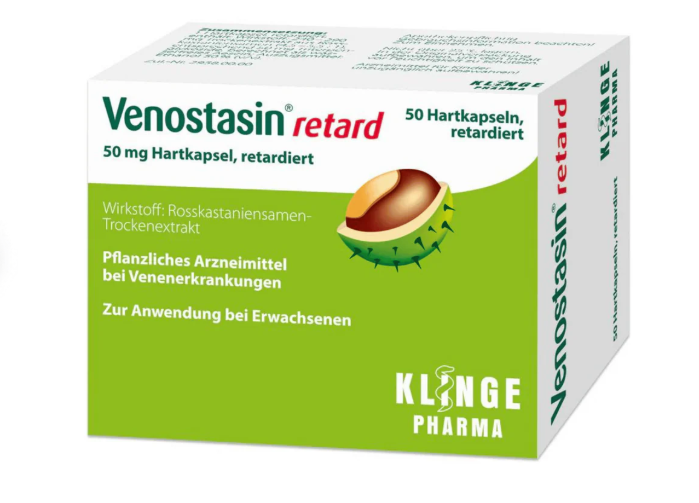
In this Horse Chestnut product the following ingredients are listed:
240-290 mg dry extract from horse chestnut seeds (4.5-5.5:1) corresponding to 50 mg triterpene glycosides calculated as dried escin (extractant: ethanol 50% v/v) dextrin, copovidone, gelatin, talc, poly-ethyl acrylate-co-methyl methacrylate-co-(2-trimethylammonioethyl)-methacrylate chloride 1:2:0.1 150000, poly-ethyl acrylate-co-methyl methacrylate-co-(2- trimethylammonioethyl) methacrylate chloride 1:2:0.2 150000, dibutyl phthalate, dyes E 104, E 132, E 171, E 172.
Can you pronounce any of those ingredients? Would you, through choice, consume any of those chemicals? These are highly processed starches, binders, fillers, artificial preservatives, colourings etc. Dibutyl phyhalate for example, is a type of plastic, recently highlighted by the US EPA as highly toxic. And what about the cocktail effect when taking all these untested products, simultaneously?
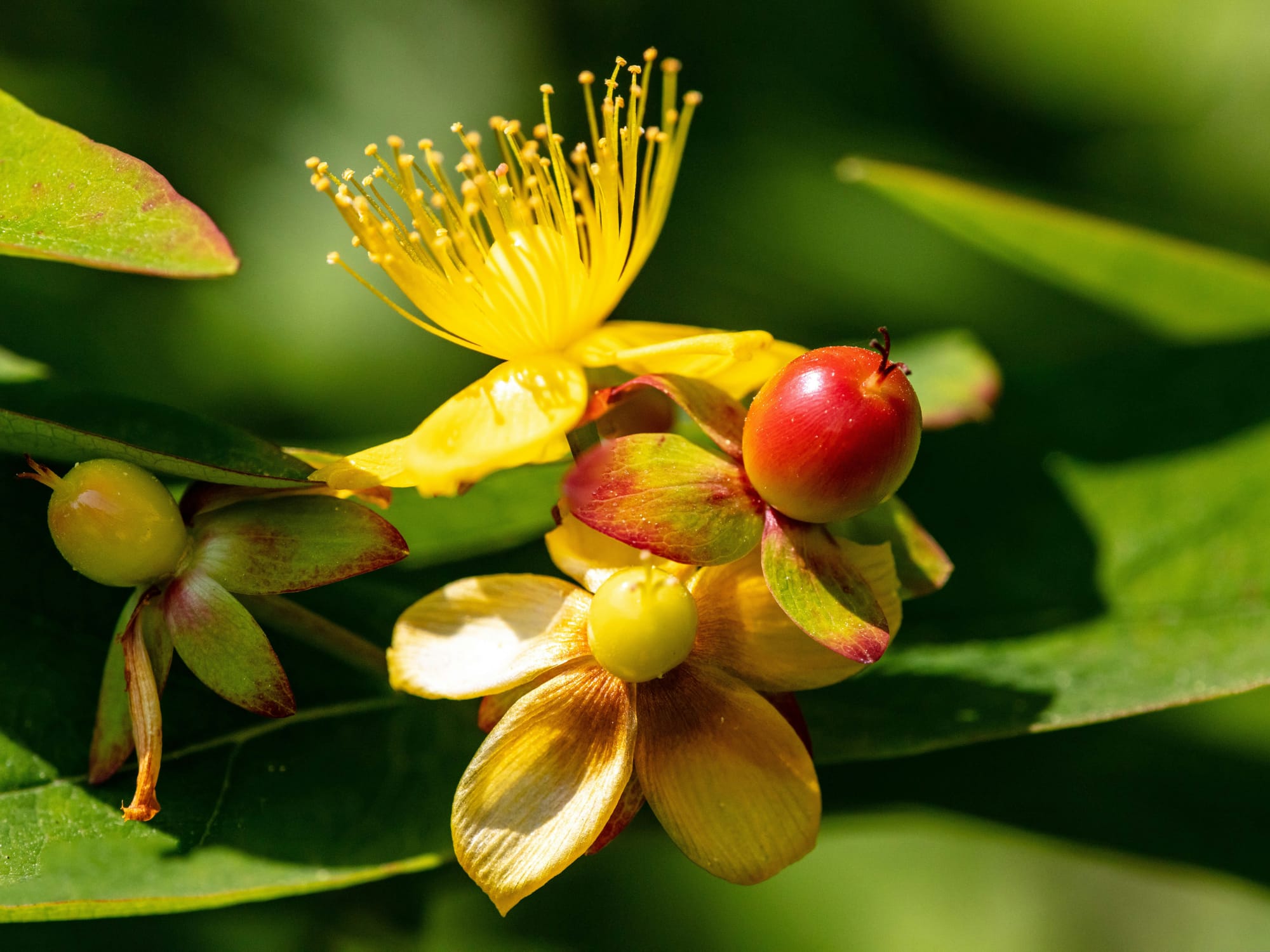
- The final trademarked 'health' product on this Chinese company’s website is called Neurex and apparently contains that plant with multiple uses, St John’s Wort.
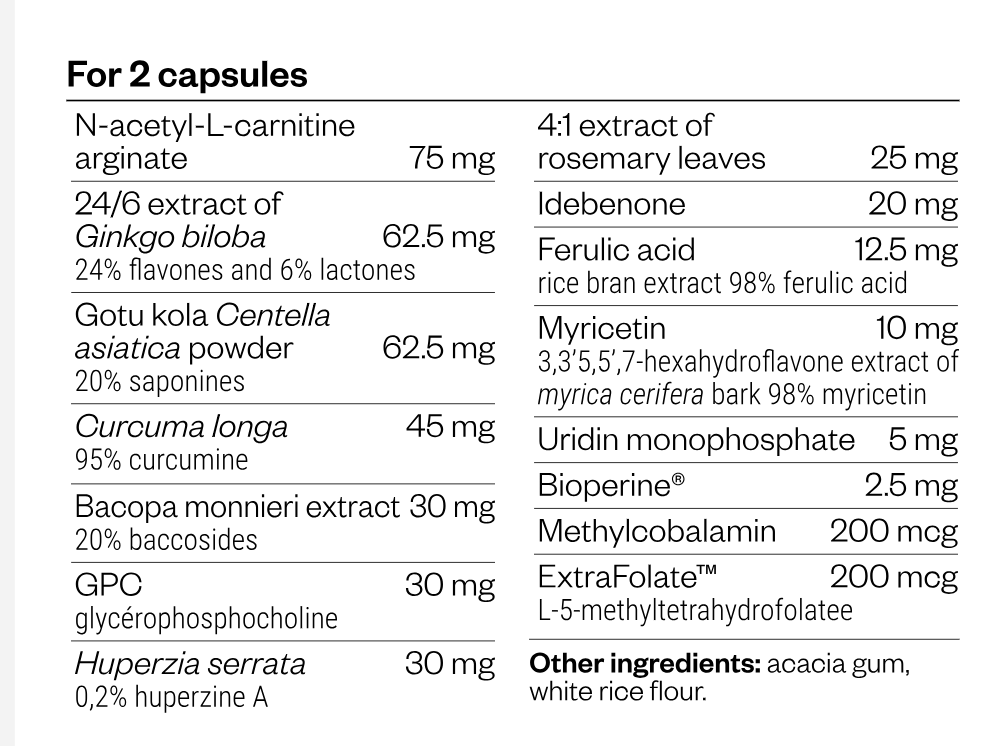
I found a US-based Portuguese/French retailer called SN Worldwide, trading as SuperSmart selling this ‘brain health supplement’ - but the main ingredient is Acetyl-L-Carnitine, which apparently is a “modified form of the amino acid carnitine”(?) It also contains Ginkgo Biloba (again) but no sign of St John’s Wort (?) It does however, contain a herb that has similar properties called Gotu Kola which is an Asianic version of the Parsley family. Other ingredients are curcuma (turmeric), Bacopa monnieri, (also known as Brahmi, water hyssop etc), Alpha-GPC (L-alpha-glycerylphosphorylcholine) and other questionable content listed here:
Natural Skincare or Cosmeceutical?
Lines are increasingly blurred between global versions of health supplements, cosmetics and pharmaceuticals. Which regulator needs to 'authorise' them and under which jurisdiction and definition? (If something goes onto your skin and is absorbed, shouldn't that be a food-grade product?) What if something goes wrong and a product is harmful? Multiple trading names, together with the international supply chain involved in these products (as I have shown above) means accountability with these products can be problematic.
Perhaps unsurprisingly, SynthAsia also has a variety of skincare products too. Listed under the company name Hautschild, the products are apparently developed in Germany and made in China, for the Japanese market:
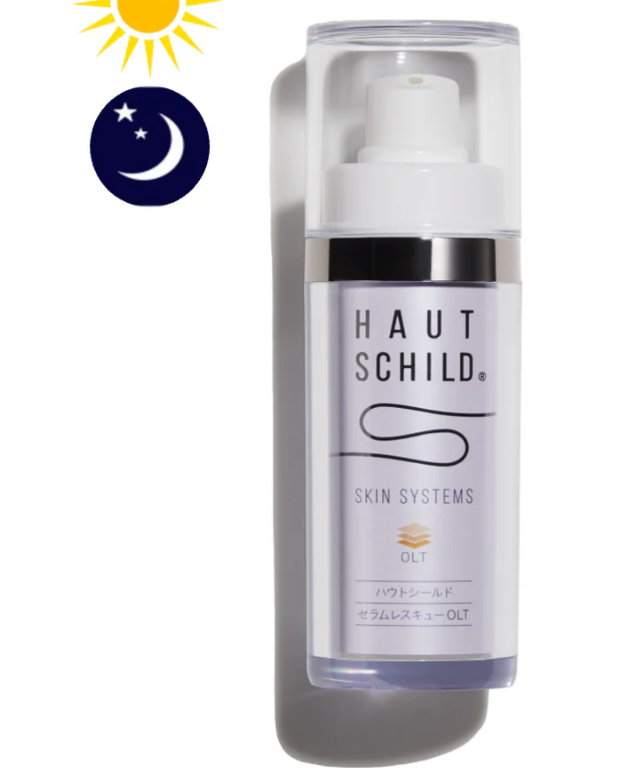
The ortholamellar technology is based on densely packed membrane lipids that are present in an orthorhombic, hexagonal crystalline structure. This corresponds to the intercellular lipid structure of healthy skin.
I'm not sure what those 'lipids' and 'hexagonal crystalline structure' means, exactly, but none of this context sounds like it will be beneficial for anyone's skin. In Japanese markets especially legitimate concerns are based on damaging 'skin lightening' creams that contain all kinds of toxic chemicals. I wonder what is in this 'skin system'?
Finally
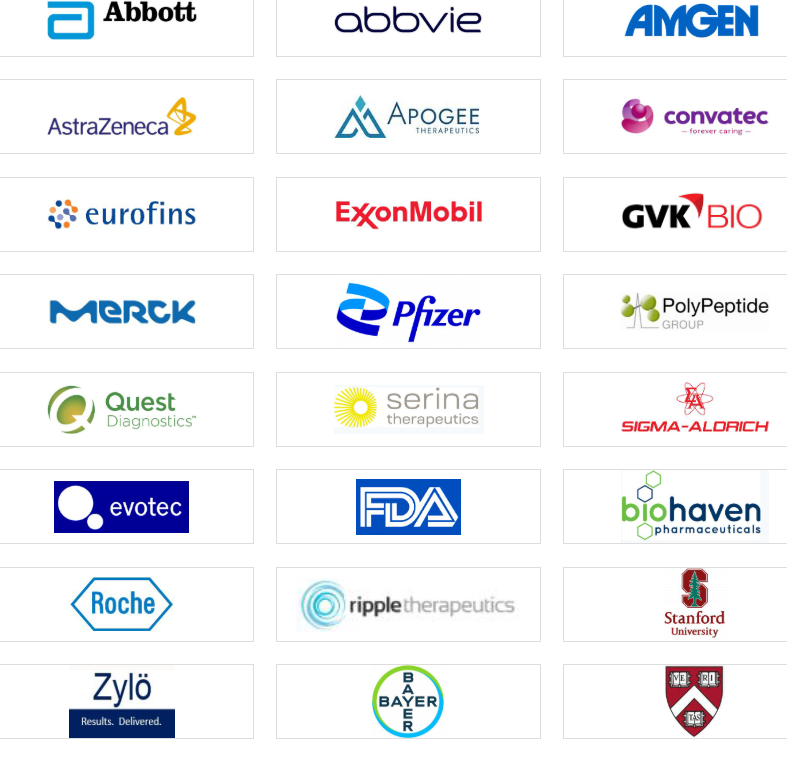
We're all on a pathway to discovery about these products that are marketed to us as 'natural' or 'herbal'. But the truth is, behind many of these companies, and their promo 'celebrities' - whether they are selling supplements, shakes, creams, magnets or crystals - they all use the same clever marketing and PR strategies as BigPharma. They really do 'play both sides' as Robin said. Worldwide, the same holding groups, with the same financial shareholders use the same supply chains for the same chemical companies.
My best advice? I'm still learning myself to look closely at the ingredients on any product. Use discretion. If in doubt, don't bother and go to your local farmers' market instead. You're sure to discover a friendly crafter there, with delicious, authentic products to try? In my opinion, China has already exploited New Zealanders enough. Maybe you agree?