
15 Minute Cities: a Case Study in Shanghai, China.
What does the UN/ WEF mean by a "15 Minute City"? Let's take a look at one of China's recent 'proud achievements' of this SDG Goal
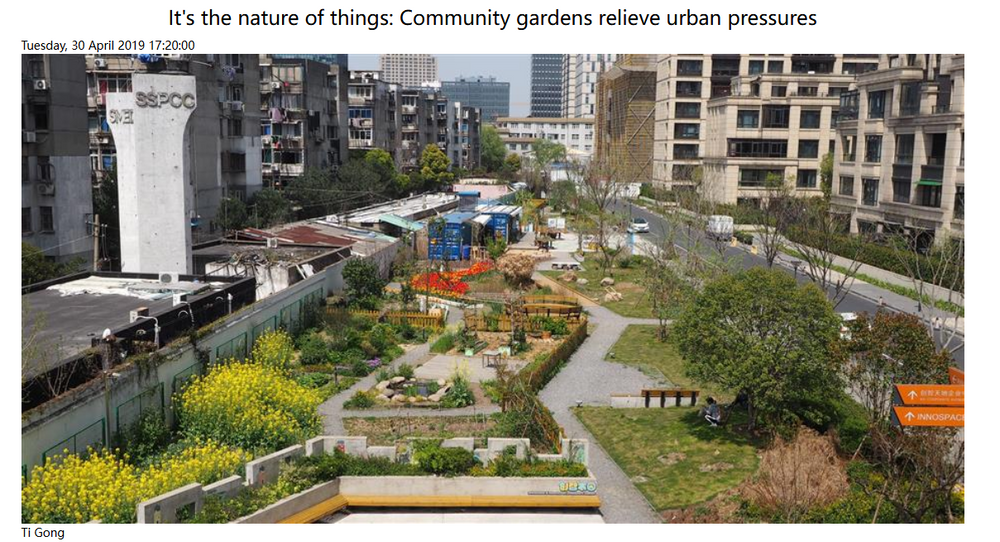
Anyone who has travelled around our beautiful planet, recognises the insanity of attempting to apply a universal approach to city and town infrastructure. I have argued in our New Zealand context, the WEF ‘15- or 20-minute city’ policies are particularly ludicrous (see below). In this article, I’m using one case study of an SDG project in a Chinese city, Shanghai, to illustrate how far removed from authentic, everyday humanity these globalist policies are. And to my readers in other parts of the world, please comment below with your own contexts/comparisons.
“It’s the nature of things” an AI-generated translation of a Chinese Government news article states about these optimistically-titled ‘Community Gardens’:
“The(se) gardens are an aspect of Shanghai’s 2035 master plan, which aims to make Shanghai one of the best cities in the world on measures like carbon emissions, tree cover, and water quality. By filtering pollutants from the air and water, these communal greenspaces make Shanghai more resilient to the impacts of climate change.” States The Nature Conservatory
Prof Yuelai at Tongji University (more on that rabbit hole in a moment), has published widely about the ‘success’ of this project. That’s because like many such ‘public good’ initiatives, this is another Public Private Philanthropic Partnerships (PPPP). Tongji Uni and a national non-profit called The Clover Garden School benefits from Government funding. The end result? Yes, it has reduced walking time between the enormous skyscrapers housing local residents. Yes, it has (quantitatively) reduced stress and anxiety in those residents participating in activities within the 'garden’. And yes, it is more aesthetically pleasing to look upon from afar. [source] All UN SDG ‘SMART’ city goals.
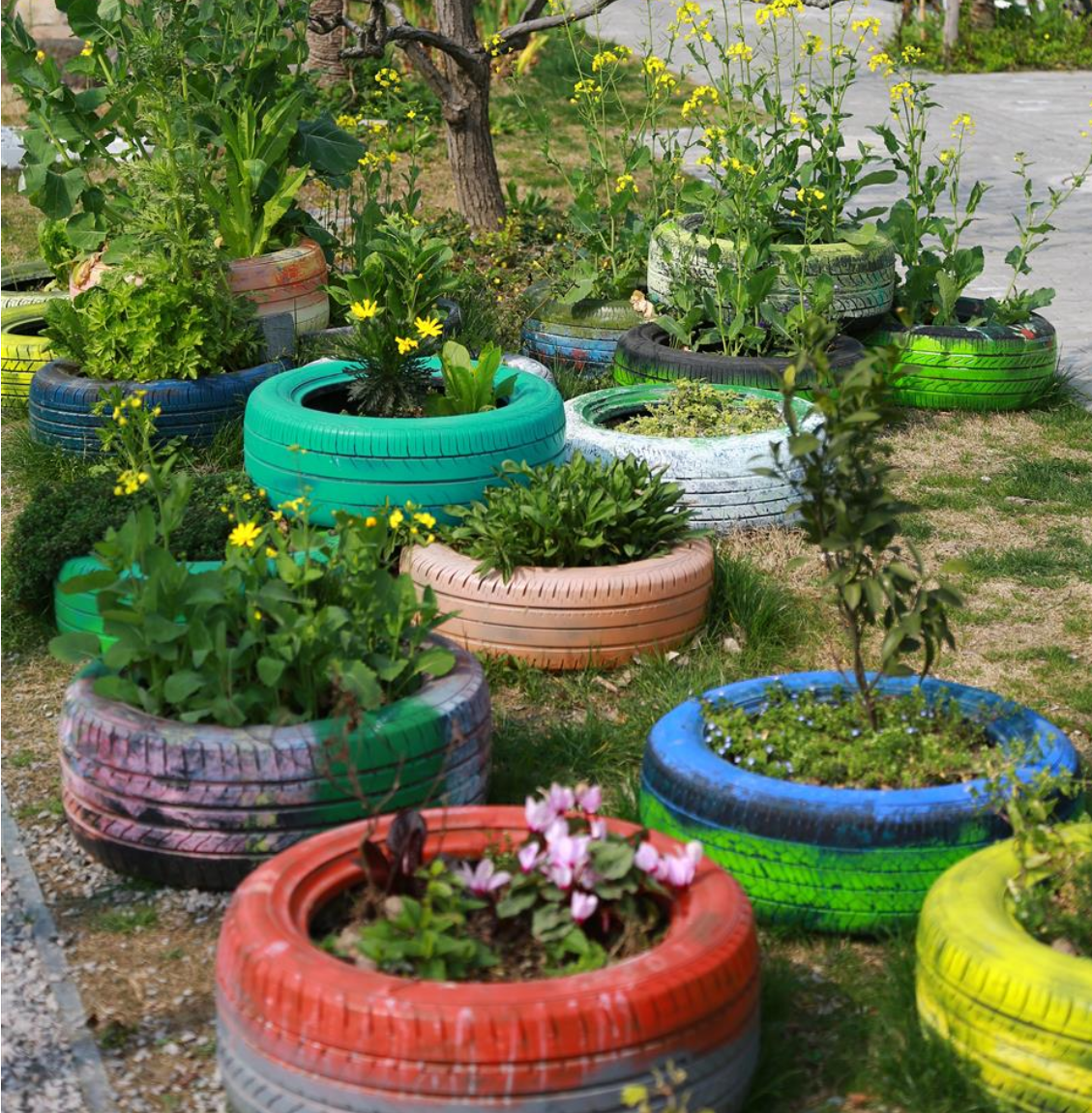
But this particular project has a decades-long history. And this stretch of land is located in an area of Shanghai with a population density of over 3,000 people per square km. Difficult for many of us Kiwis to even imagine.
And while I mention us Kiwis and this topic, you can read one of my past articles here, here or below:
 Ursula Edgington
Now let me back-track slightly. The difficulty of registered NGOs in China is that they are obliged to adhere to Government regulations, which understandably are far stricter than those in other jurisdictions. China’s PR machinery is keen to prevent publication of negative aspects of their ‘flourishing city’ (yes, that word again) Shanghai, centre of AI innovation and Intellectual Property entrepreneurship. So any talk of high levels of air pollution around the area, is often censored, likewise it seems the toxic contamination of this Community Garden’s soil - which used to be a landfill site - has been conveniently memory-holed.
We can see evidence of this propaganda in academic articles like this one:
FROM EDIBLE LANDSCAPE TO VITAL COMMUNITIES: CLOVER NATURE SCHOOL COMMUNITY GARDENS IN SHANGHAI.
Keywords: Community Garden; Edible Landscape; Urban Renewal; Public Participation
This paper discusses the possibility and direction of public participation and edible landscape construction in China’s high-density metropolitan areas. It is based on the different types of community gardens completed by Shanghai Clover Nature School Teenager Nature Experience Service Center in recent years under the concept of “Urban Permaculture.” By endowing rights to the inhabitants of the community, these examples have helped the participants become owners and established cooperation mechanisms between government, enterprises, social organizations, and the public. [source]
Notice the propaganda-weapon of hijacking our words in the above abstract - this ‘garden’ is far from any ‘edible’ landscape (not a healthy one, anyway); this is not genuine ‘permaculture’ with nutrient-rich produce embracing an holistic ecology. And when the authors state “participants (not residents, after all this is a global experiment) become owners” what do they mean exactly? They are not owners in the true definition - of this space, nor (probably) of their nearby high-rise homes. “You will own nothing and be happy” remember…
Now, I’m not disputing this project has provided lots of benefits for many Chinese residents (and tourists too). Everyone knows that getting out into nature (no matter how limited in clean air, space, time or diversity that nature is), is fundamentally good for our souls. But these [Synthetic] Community Gardens seem inauthentic, virtue-signalling to me. Who initiated the project and why? Is this really what local residents need? Were they consulted (respectfully) about the design, content or management of this space? Or are these citizens just too busy trying to keep a roof above their heads, obtain food for their families?
The ground beneath this ‘garden’ (and others) was previously a dump - it is therefore highly likely to be contaminated with all kinds of toxic forever chemicals, waste and heavy metals. Was the earth tested independently, removed and disposed of safely (if necessary) and healthy soil imported? The air is heavily polluted with the transport, construction and industrial waste expelled from the surrounding industries, is there any effort/funding to address the root cause of this public health hazard? Above the ‘garden’ are massive humming high-voltage power cables, wifi transmitters, conductors and other harmful emissions, is there a plan to re-route these dangerous sources of disease-causing pollutants?
- I think we can all guess the answers to those questions?
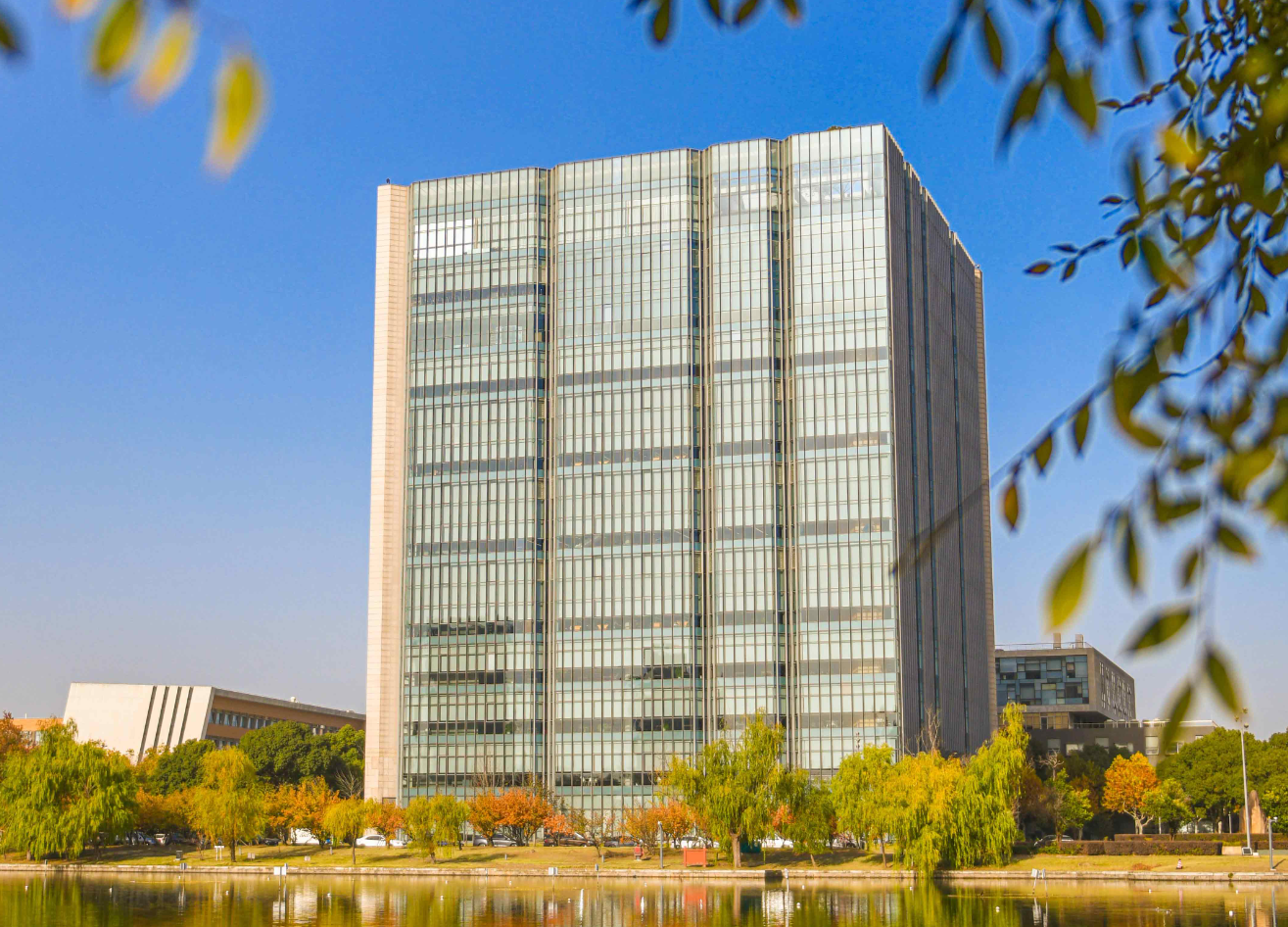
Tongji University
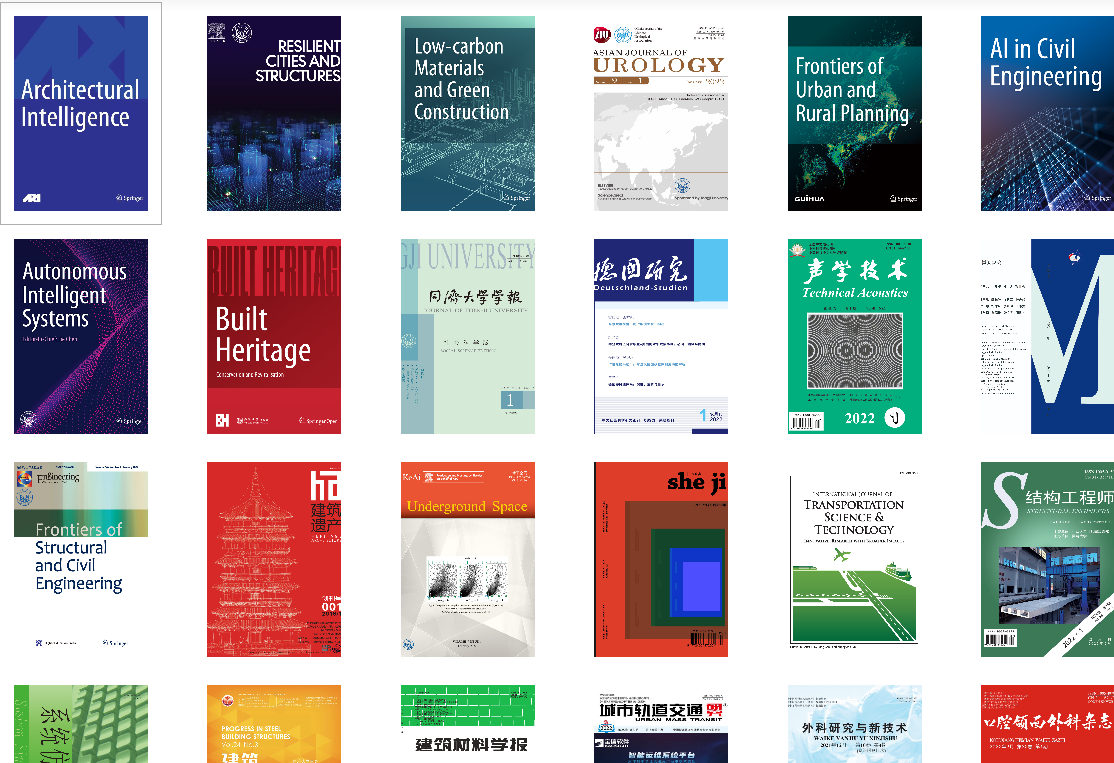
This pseudo-Community Garden story makes more sense when we read some context alongside facts about that tightly-controlled NGO coordinating it. The academic research partner, Tongji University is where the lead author Prof Liu is based (and yes, he was asked for comment before I published this and did not respond). These people are heavily invested in BigPharma, with it’s own affiliated hospitals (one in Wuhan) and partnered with the United Nations SDGs (3 mins):
This University’s historical, European connections are also interesting:
“… began in 1907 with the Tongji German Medical School founded by German physician Erich Paulun with the support of the Chinese and German governments and all sectors of society. In 1912, together with the recently founded Tongji German Medical School. It was taken over by the Chinese in 1917 and renamed Tongji Medical School and Private Tongji Medical College. It was named Tongji University in 1923 and became a national university in 1927.” [source] &….
“Erich Wilfried Reuleaux (1883-1967), Professor for Engineering at TH Darmstadt and University Rector in the academic year 1931/32. In 1934, he accepted a professorship at Tongji University. He became Dean of the Department of Engineering and an advisor to the Chinese government.” [source]
The partnerships with Germany strengthened when in 1980, Technical University Darmstadt partnered with Tongji. The primary investor in the University’s research funds seems to also be a past CEO of Bayer, China. And Asklepios, the largest private German healthcare provider, is also a major funder.
I suspect and others would be interested to see the location of the Tongji Uni “Digital Futures” conference next year is at UNSW?
And after relating all this, you won’t need me to tell you what happened to these Community Gardens during the covid era lockdowns? Yup. They were CLOSED.
And finally…
The whole concept of 15-min cities assumes citizens are passive - sub/consciously coerced (or willing) to participate in the never-ending treadmill of work/eat/sleep/work. As one of the participants said:
“…many people caught-up in fast-paced lives, hectic work schedules and crowded living environments yearn for the tranquility of nature and a sense of belonging. The garden brings those benefits to the doorsteps.”
Well, I’m not sure those high expectations are realistic within Shanghai? Only prioritising our own health and wellbeing, escaping our slavery to the system, can create genuine Community Gardens - ones that are NOT predetermined by nefarious, unelected, unaccountable entities with unethical agendas. Whether in China or anywhere.
Want to “DO SOMETHING” about this? In the UK, check out your local Council Watch - very inspirational groups exposing the skullduggery of these UN SDG puppets. Here in New Zealand we have CityWatchNZ, which has valuable information about the creeping changes towards a ‘20 Minute City’ for Hamilton. Please sign-up for their FREE Monthly Newsletter here.
Don’t forget to please post in the comments below about any Community Garden initiatives near you. Thank you!
This research is part of some larger teamwork - we are working hard behind the scenes to make sense of this craziness and evil. Thanks for reading Informed Heart! This post is public so feel free to share it.